Everyone agrees that marketing approval is crucial for FinTech. You need to get sign-offs from legal, compliance, product, and maybe even the CEO. It’s a necessary evil, a box to tick before you can launch that new campaign or update the website.
None of that is wrong. But it’s incomplete.
The hard truth? Most FinTech marketing teams treat approval as an endpoint, not a process. This focus on the final ‘yes’ blinds them to the operational chaos that causes delays, breeds mistakes, and ultimately, hurts their go-to-market effectiveness.
1. The Illusion of Control: Why Sign-Off Isn’t Enough
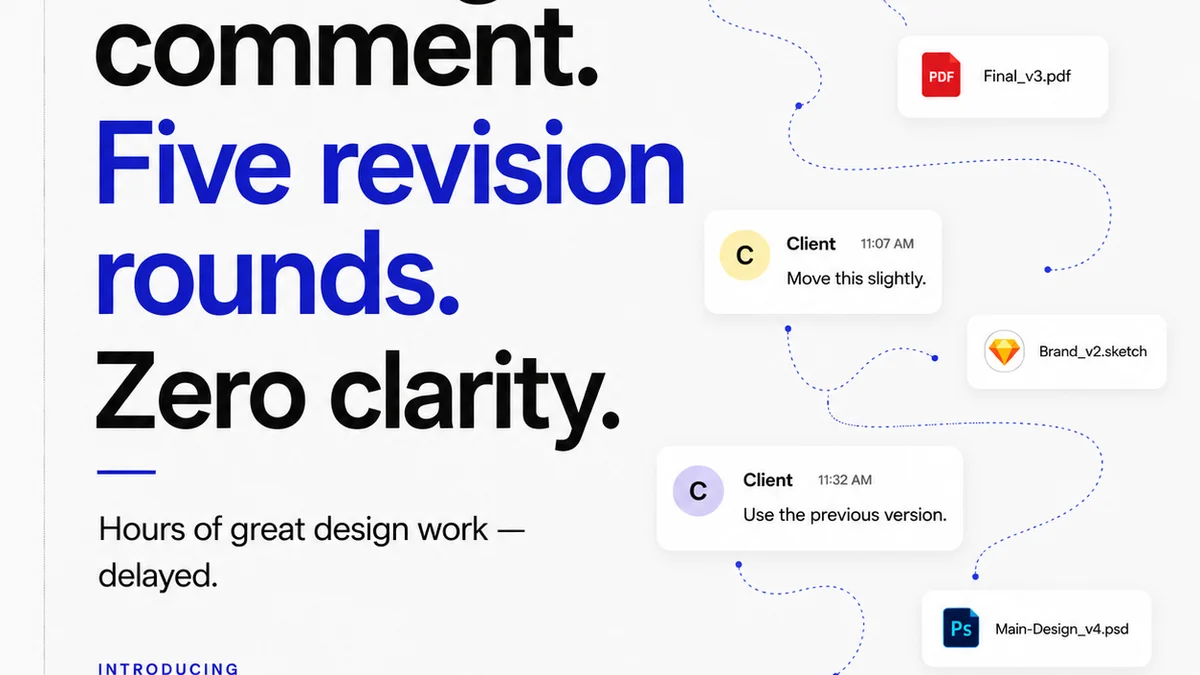
The typical FinTech marketing approval workflow is a tangled mess of emails, shared docs, and Slack threads. Each stakeholder has their own version of the truth, their own priorities, and their own preferred method of feedback.
This isn’t just inefficient; it actively creates problems:
- Endless revision cycles driven by unclear feedback.
- Missed deadlines because someone was ‘too busy’ to review.
- Inconsistent messaging across channels.
- The nagging fear that something *might* have slipped through compliance.
- Burnout from chasing down approvals.
You get the final approval, but at what cost? The real goal isn’t just a signature; it’s a campaign that’s accurate, compliant, on-brand, and ready to hit the market without a hitch.
2. Deconstructing the FinTech Approval Bottleneck
Let’s break down where the process usually breaks down, far from the final sign-off:
The Feedback Black Hole
Feedback is rarely consolidated. It’s scattered across email chains, comments in PDFs, and notes in spreadsheets. Trying to track who said what, when, and whether it was addressed is a nightmare.
This leads to:
- Duplicate edits.
- Conflicting instructions.
- Lost feedback.
- Frustration for the marketing team tasked with implementing it all.
The Version Control Void
Which version is the *latest*? Which one has the compliance team’s edits? Without a single source of truth, marketing teams waste hours trying to reconcile different file versions. This is a classic operational sinkhole.
The Compliance Conundrum
FinTech is heavily regulated. Marketing materials must be precise. A misplaced comma or an unsubstantiated claim can have serious consequences. Yet, compliance reviews often happen late in the game, after significant creative work has been done, leading to major rework or rushed, inadequate checks.
The Unclear Roles and Responsibilities
Who is the ultimate decision-maker? Who provides input? Who needs to be informed? Without clear RACI (Responsible, Accountable, Consulted, Informed) definitions, the approval process becomes a free-for-all.
3. Building a Better Approval Framework
Moving beyond the simple ‘approval’ mindset requires building a more robust operational framework. It’s about managing the *entire* feedback and revision lifecycle.
Establish Clear Workflows and SLAs
Define who needs to review what, when, and how quickly they need to respond. Set Service Level Agreements (SLAs) for feedback and approval turnaround times. This sets expectations and creates accountability.
Centralize All Feedback
Implement a system where all feedback, comments, and annotations live in one place, attached directly to the creative asset. No more hunting through emails or Slack.
Maintain Version Control Rigorously
Every iteration should be tracked. Stakeholders should always be working with and commenting on the most current version. This prevents confusion and rework.
Integrate Compliance Early and Often
Don’t wait until the end. Build compliance checks into the workflow from the start. This might mean having compliance team members review briefs or early concepts, not just final designs.
Define Roles and Permissions
Clearly map out who has what role in the approval process. Who can provide feedback? Who can approve? Who can reject? This streamlines decision-making.
4. Where Revue Fits In
The operational challenges of FinTech marketing approval are exactly what Revue is built to solve. It’s not just about getting a final sign-off; it’s about managing the entire collaborative process that leads to that sign-off.
Revue provides a centralized platform for all your creative assets and feedback. Instead of a scattered mess:
- Centralized Feedback: All stakeholder comments, annotations, and discussions happen directly on the asset within Revue. No more lost feedback in email chains.
- Clear Revision Tracking: Every version is saved and auditable. You can see the history of changes and who made them, eliminating version control chaos.
- Streamlined Approvals: Define custom approval workflows. Stakeholders get notified when action is needed and can approve or request revisions directly within the platform. This makes the ‘final’ step clear and efficient.
- Quality Assurance Integration: Beyond just sign-off, Revue helps ensure the final output meets quality standards by keeping all communication and changes documented and transparent. This is critical for compliance in FinTech.
By bringing structure and visibility to the entire feedback and approval lifecycle, Revue empowers FinTech marketing teams to move faster, reduce errors, and ensure their campaigns are both effective and compliant.
5. Final Thought
Is your FinTech marketing team truly managing approvals, or just managing the chaos that surrounds them? Shifting your focus from the final ‘yes’ to the operational excellence of the entire feedback and revision process is the key to launching impactful, compliant marketing campaigns with confidence.
Frequently asked questions
What are the biggest challenges in FinTech marketing approval?
The biggest challenges include scattered feedback across multiple channels, poor version control leading to confusion and rework, late-stage compliance reviews causing significant delays, and unclear roles and responsibilities within the approval chain. Many teams focus on the final sign-off rather than the efficiency of the entire feedback and revision process.
How can FinTech marketing teams improve their approval process?
Improvement comes from establishing clear workflows and SLAs, centralizing all feedback on creative assets, maintaining rigorous version control, integrating compliance checks early and often, and clearly defining roles and permissions for all stakeholders.
What is the role of a centralized platform like Revue in marketing approval?
A centralized platform like Revue brings all feedback, revisions, and approvals into one place. It provides clear version history, streamlines communication, automates notifications, and offers auditable trails, significantly reducing chaos and improving efficiency and compliance.
Why is early compliance integration important in FinTech marketing?
Early compliance integration is crucial in FinTech because of the highly regulated nature of the industry. Addressing compliance concerns from the initial stages of a campaign prevents costly rework, ensures accuracy, and minimizes the risk of regulatory penalties or brand damage that can occur if issues are only caught at the final approval stage.