Everyone knows brand governance means a style guide. A PDF or a website. Colors, fonts, logo usage. Done.
None of that is wrong. But it’s incomplete.
The real future of brand governance isn't about static documents. It's about dynamic systems that ensure brand integrity while enabling creative velocity. It's the difference between a beautiful picture and a working engine.
1. Beyond the Static Style Guide
The Illusion of Control
For years, agencies and brands relied on comprehensive style guides to maintain consistency. These were the bibles of brand. But they were passive.
A PDF doesn't stop a junior designer from misusing a logo. It doesn't prevent a marketing team from launching a campaign with off-brand messaging. It just sits there.
This approach assumes that information alone is enough. That once the rules are written, they'll be followed.
That's a nice thought. It's rarely the reality.
The Operational Reality
Brand governance needs to be baked into the workflow, not bolted on afterward. It needs to be active, not passive.
Think about the sheer volume of creative assets produced today. Social posts, website updates, ad variations, internal comms. The old way of manual review against a static guide simply can't keep up.
The future demands systems that enforce brand rules automatically, flag deviations, and facilitate quick, informed decisions. It's about operationalizing brand, not just documenting it.
2. The Pillars of Dynamic Brand Governance
Centralized Source of Truth
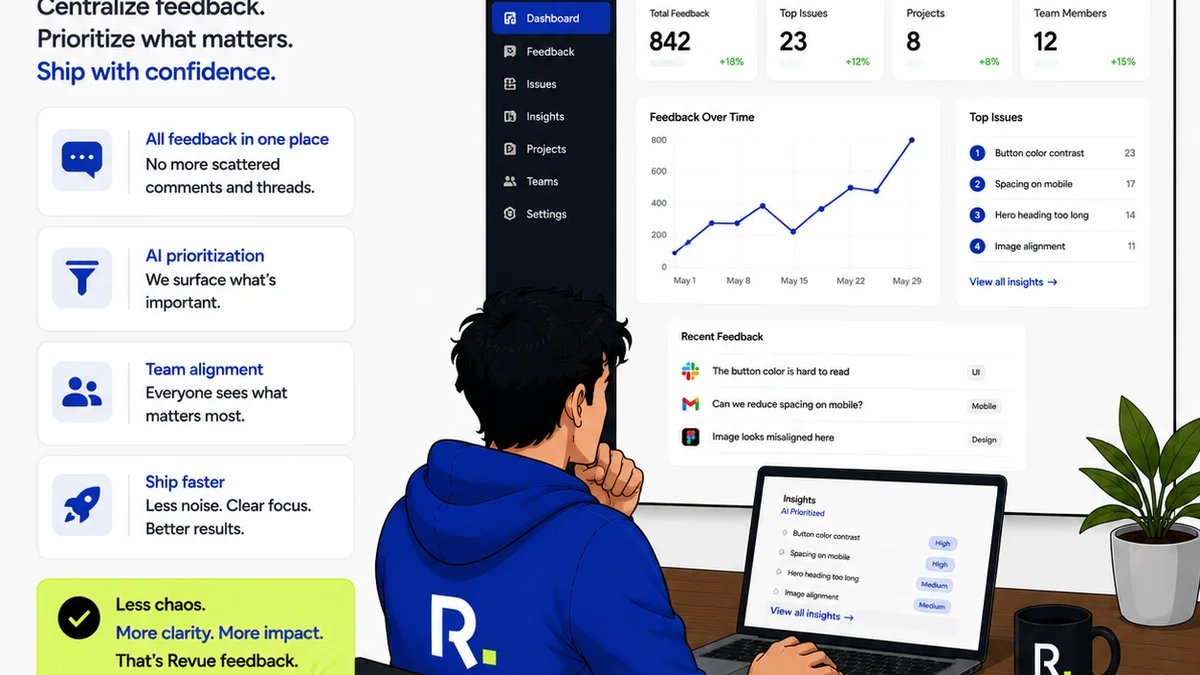
Forget scattered folders and outdated cloud drives. The future of brand governance is a single, accessible, and up-to-date source of all brand assets and guidelines.
This isn't just about storing logos. It's about:
- Brand assets (logos, imagery, templates)
- Messaging frameworks and tone of voice guidelines
- Approved copy examples
- Legal disclaimers and compliance notes
- Campaign-specific brand adaptations
Accessibility is key. Everyone who needs it, gets it. Instantly.
Integrated Feedback Loops
Brand governance isn't a one-time setup. It's an ongoing conversation. The future involves feedback loops that are efficient and traceable.
When feedback is scattered across emails, Slack messages, and random documents, brand consistency suffers. Decisions get lost. Revisions become a nightmare.
Dynamic governance means feedback is captured in context, linked to specific assets, and tracked through to resolution. It’s about visibility, not just communication.
Automated Compliance and Quality Checks
This is where things get exciting. The future is about intelligent systems that help enforce brand standards.
Imagine:
- Automated logo resizing and placement checks
- Color palette validation against brand guidelines
- Font usage verification
- Template adherence checks
- Compliance flagging for specific industries or regions
These aren't replacements for human judgment, but they are powerful tools to catch common errors and free up creative directors and brand managers for higher-level strategic work.
Clear Revision and Approval Workflows
A static guide is useless if the process for using it is broken. The future of brand governance is intrinsically linked to efficient workflows.
This means clear stages for review, defined approval paths, and transparent status tracking. Everyone knows who needs to do what, by when, and what the current status is.
It eliminates the
Frequently asked questions
What is brand governance?
Brand governance is the framework of rules, processes, and systems that ensure a brand's consistent and effective application across all touchpoints. It goes beyond a style guide to encompass how assets are created, managed, and approved.
Why is a static style guide no longer enough?
Static style guides are passive and difficult to enforce in fast-paced environments. The sheer volume of creative assets and the speed of digital channels require dynamic, integrated systems that actively support brand consistency.
How does technology help with brand governance?
Technology enables dynamic brand governance through centralized asset management, automated compliance checks, integrated feedback loops, and transparent approval workflows, significantly improving efficiency and reducing errors.
What are the benefits of a dynamic brand governance system?
Benefits include enhanced brand consistency, increased operational efficiency, reduced risk of errors and non-compliance, faster creative turnaround times, and better collaboration between teams and stakeholders.