Everyone’s talking about the future of client-agency relationships. You hear about deeper partnerships, integrated teams, and seamless collaboration. It sounds great. Like a utopian vision where clients and agencies are perfectly in sync, always.
None of that is wrong. But it’s incomplete.
The real future isn't about abstract ideals. It's about ironing out the friction points that have plagued these relationships for decades. It’s about operational clarity and ruthless efficiency.
The hard truth? The most successful relationships of tomorrow will be forged in the fires of meticulous process, not just strategic alignment.
1. The Myth of the 'Integrated Team'
We’re told that the ideal is an agency team that feels like an extension of the client’s in-house staff. That everyone uses the same tools, speaks the same language, and has the same goals.
And yes, that’s the aspiration. But the reality is always messier.
Clients have internal politics, legacy systems, and different priorities that an external agency can’t always control or fully understand. Agencies have their own operational rhythms, client portfolios, and resource constraints.
The Operational Reality: Navigating Boundaries
True integration isn't about dissolving boundaries; it's about respecting and managing them effectively.
- It means clear communication protocols, not just open Slack channels.
- It means defined roles and responsibilities, even when working on shared objectives.
- It means understanding where the client’s internal capacity ends and agency support begins.
- It means building trust not by pretending to be the same, but by being reliable experts who understand the client’s world.
The future is about smart collaboration, not forced assimilation.
2. Feedback Loops: The Engine of Progress (or Paralysis)
Client feedback is the lifeblood of any creative project. It’s how we course-correct and ensure the final output hits the mark.
But the *way* feedback is gathered, processed, and actioned is often the biggest bottleneck in client-agency relationships.
We’ve all seen it. Endless email chains with vague comments. Conflicting opinions from different stakeholders. Revisions based on personal taste rather than strategic objectives. It’s a recipe for frustration and wasted time.
The Hard Truth: Feedback Isn't Just Information, It's Workflow
The future demands that feedback be treated as a critical operational input, not just a casual comment.
- Centralization is Non-Negotiable: Scattering feedback across emails, Slack, calls, and even sticky notes is a guaranteed way to lose context and create errors.
- Context is King: Feedback needs to be tied directly to the specific asset or iteration it refers to. Without this, it’s just noise.
- Actionability is Paramount: Vague comments like “make it pop” or “I don’t love it” are useless. The future requires actionable, specific guidance tied to project goals.
- Clear Approval Paths: Knowing who has the final say and when, prevents endless back-and-forth and ensures accountability.
When feedback is managed poorly, it erodes trust and damages the relationship, regardless of the creative quality.
3. Revision Cycles: Efficiency Over Endless Iteration
The common assumption is that more revisions mean the agency is working harder, or the client is being difficult. Neither is necessarily true.
Often, excessive revision cycles are a symptom of deeper issues: unclear briefs, poor initial concepts, or a broken feedback process.
The goal isn't to limit revisions to rush projects. It’s to make each revision cycle count, moving the project forward efficiently.
The Operational Shift: Quality Control at Every Step
The future of revision management is about building quality checks into the process itself.
- Structured Briefs: A solid brief upfront minimizes the need for fundamental changes later.
- Milestone Reviews: Breaking the project into clear phases with defined deliverables and sign-offs.
- Version Control: Easily tracking changes and reverting if necessary, avoiding confusion.
- Scope Management: Clearly defining what’s included in a revision round and what constitutes a new scope of work.
This isn't about cutting corners; it's about respecting everyone's time and budget by ensuring progress is made with every iteration.
4. Transparency: The Currency of Trust
Clients want to know what they’re paying for. Agencies need to demonstrate value and justify their investment.
The old model of opaque project management and billing is rapidly becoming untenable.
Clients are more sophisticated, and the tools available today allow for unprecedented visibility.
The Hard Truth: Transparency Builds Predictability
True transparency in client-agency relationships means more than just sending an invoice.
- Project Status Visibility: Clients should have a clear, real-time view of where a project stands, what’s been done, and what’s next.
- Resource Allocation Clarity: Understanding how time and resources are being spent builds confidence.
- Decision-Making Rationale: Explaining *why* certain creative or strategic decisions are being made, linking them back to client objectives.
- Risk and Opportunity Communication: Proactively flagging potential issues or new opportunities, rather than waiting for them to become problems.
When clients feel they have a clear window into the agency’s operations and decision-making, trust deepens, and the relationship strengthens.
5. Where Revue Fits In
The future of client-agency relationships hinges on operational excellence. It’s about building robust systems that facilitate clear communication, efficient workflows, and mutual trust.
This is precisely where tools like Revue are designed to make a difference.
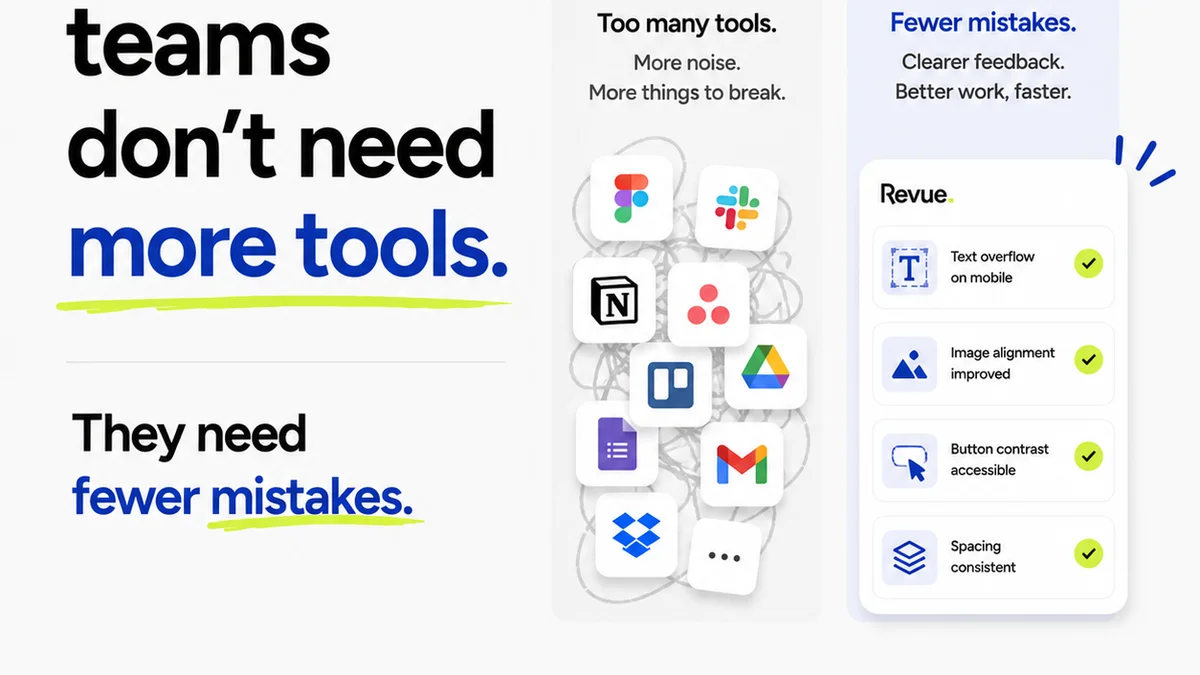
Imagine a world where client feedback is consolidated in one place, directly on the creative asset. No more hunting through emails. Every comment is visible, contextual, and actionable.
Revision tracking becomes effortless. You can see the history of changes, who approved what, and when. This clarity prevents disputes and ensures everyone is on the same page.
Quality checks are integrated into the workflow, not tacked on at the end. This systematic approach ensures that what gets approved meets the highest standards, reducing costly rework down the line.
Revue helps agencies and clients move beyond the assumptions and embrace the operational grit required for truly productive, long-term partnerships.
Final Thought
The most enduring client-agency relationships won't be built on flashy pitches or impressive portfolios alone. They'll be built on a foundation of operational discipline, clear communication, and a shared commitment to making the workflow itself as effective as the creative output.
Are your processes designed to foster collaboration, or are they silently undermining your client relationships?
Frequently asked questions
What’s the biggest misconception about the future of client-agency relationships?
The biggest misconception is that the future is solely about abstract ideals like 'deeper partnerships' or 'integrated teams' without focusing on the underlying operational processes that make them possible. The real evolution is in managing friction points and ensuring clarity.
How can agencies improve their client feedback process?
Agencies can improve feedback by centralizing it on the asset itself, ensuring it's contextual and actionable, and establishing clear approval paths. This moves away from scattered emails and vague comments.
What role does transparency play in strengthening client-agency partnerships?
Transparency builds trust by providing clients with visibility into project status, resource allocation, and decision-making rationale. This predictability is crucial for a healthy, long-term relationship.
How does technology like Revue impact client-agency collaboration?
Tools like Revue streamline operations by centralizing feedback, simplifying revision tracking, and integrating quality checks. This leads to more efficient workflows and reduced misunderstandings, fostering better collaboration.