Everyone talks about creative productivity like it’s a simple equation: more hours equals more output. More time at the desk, more concepts, more deliverables. If only it were that straightforward.
None of that is wrong. But it’s incomplete.
The hard truth? True creative productivity isn’t about cramming more work into the same schedule. It’s about fundamentally changing how you manage the work itself.
It’s about eliminating friction, clarifying communication, and building systems that let creativity flow, rather than fighting against it.
1. The Myth of the 'Always On' Creative
We’ve built a culture that glorifies the hustle. Agency life, especially, often feels like a badge of honor to be perpetually busy, perpetually available. The idea that creativity strikes at 3 AM and requires an all-night sprint is romanticized. But it’s a dangerous myth.
This ‘always on’ mentality doesn't foster creativity; it breeds burnout. It assumes that inspiration is a finite resource that needs to be relentlessly pursued, rather than cultivated.
What’s the real cost?
- Diminished quality of work due to fatigue.
- Increased errors and missed details.
- Strained client relationships from rushed communication.
- High team turnover and low morale.
- Loss of strategic thinking time.
Creativity isn't a tap you can just turn on indefinitely. It needs space. It needs rest. It needs clarity.
2. Redefining 'Productivity' for Creatives
If it's not about more hours, what is it about? It’s about *effective* hours. It’s about maximizing the impact of the time your team actually spends creating.
This means dissecting your current workflow and identifying the bottlenecks. Where is time being wasted?
Think about:
- Endless email chains trying to track feedback.
- Vague or conflicting revision requests.
- Unnecessary meetings that interrupt deep work.
- Lack of clear project scope or objectives.
- Manual, repetitive administrative tasks.
These aren’t just minor annoyances. They are productivity killers. They steal precious cognitive energy that should be focused on the creative output.
The Hidden Drain of Context Switching
Every time a creative is pulled from a task to check an email, respond to a Slack message, or jump on an impromptu call, their productivity takes a hit. This 'context switching' is incredibly costly.
It takes time to regain focus. It breaks the flow state where the best ideas often emerge. It’s like trying to build a complex structure while someone keeps knocking down your tools.
The Illusion of Progress
We often mistake activity for productivity. A team that’s constantly busy, churning out revisions, might *feel* productive. But are they moving the project forward efficiently?
Often, they’re just reacting. They’re putting out fires. They’re not strategically advancing the core creative vision.
3. The Systemic Approach to Creative Output
The future of creative productivity lies in building robust systems. Systems that automate the mundane, streamline communication, and provide clear visibility into the creative process.
This isn't about rigid, soulless processes. It’s about creating guardrails that protect creative energy and ensure everyone is aligned.
Centralized Feedback and Communication
Scattered feedback across emails, Slack, and verbal conversations is chaos. It leads to missed notes, misinterpretations, and endless back-and-forth.
The solution is a single source of truth for all client communication and feedback. This means tools and processes that consolidate comments, markups, and approvals in one place.
Clear Revision and Approval Workflows
Ambiguity around revisions is a major time sink. When are approvals needed? Who signs off? What constitutes a 'final' revision?
Defining clear stages for review and approval, with defined expectations for each, is critical. This includes setting clear revision limits and understanding the scope of each round.
Automating the Non-Creative
Many tasks that eat into creative time are administrative. Tracking versions, organizing files, sending status updates – these can and should be automated where possible.
This frees up your team to do what they do best: think, design, and create.
Quality Control as a Proactive Measure
Rushing to meet deadlines often means quality checks get skipped or become an afterthought. This leads to errors slipping through and client dissatisfaction.
Integrating quality control checks *into* the workflow, rather than tacking them on at the end, is essential. This ensures a higher standard is maintained consistently.
4. Where Revue Fits In
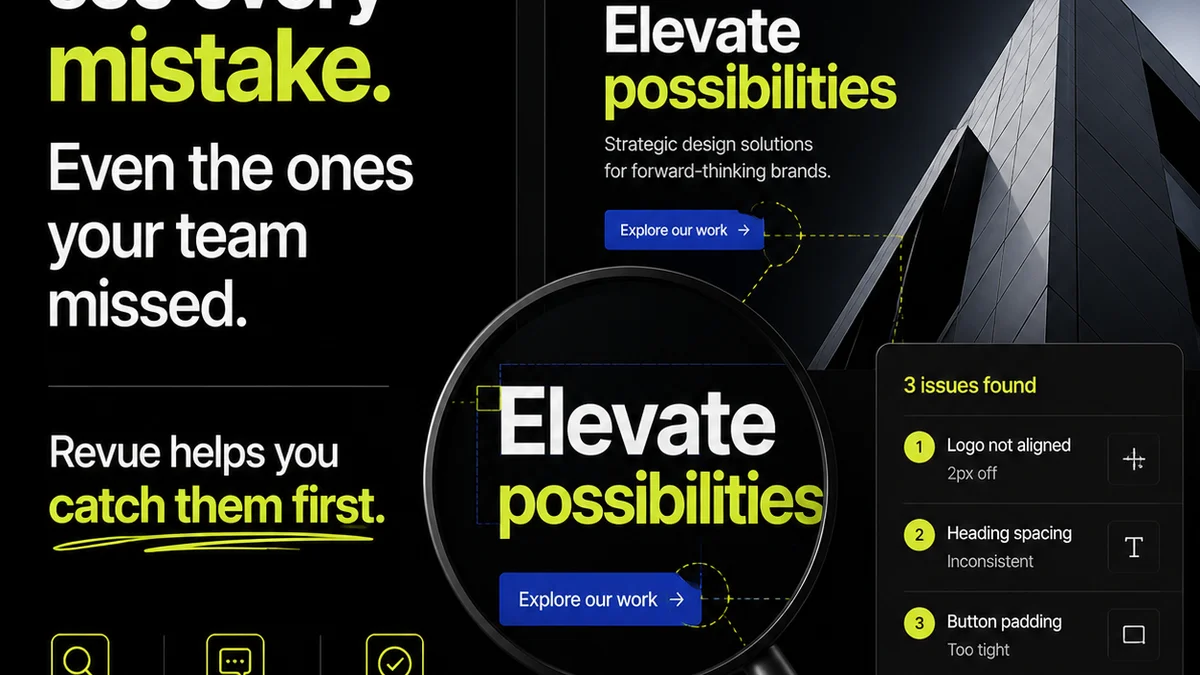
This is where platforms like Revue become indispensable. They aren't just another tool; they are the connective tissue for a more productive creative operation.
Revue is built to tackle the friction points that plague creative teams:
- Centralized Feedback: All client comments, markups, and discussions happen in one place, directly on the creative asset. No more digging through emails.
- Revision & Approval Visibility: Track every version, every round of feedback, and every approval status with crystal clarity. Everyone knows where the project stands.
- Streamlined Quality Checks: By having a clear, documented history of feedback and revisions, you can ensure that all required changes have been made before final sign-off. This reduces errors and boosts confidence.
- Reduced Context Switching: When feedback is consolidated and easily accessible, creatives spend less time searching for information and more time working.
It’s about creating an environment where the creative work can breathe, and where the team is empowered to deliver their best, without the constant drag of inefficient processes.
5. The Human Element: Culture and Collaboration
Even the best systems can fail if the underlying culture isn't right. Productivity isn't just about tools; it's about people and how they work together.
Encourage focused work blocks. Protect your team from unnecessary interruptions. Foster an environment where asking for clarity is encouraged, not seen as a weakness.
Lead by example. Show that you value deep work and strategic thinking over just being 'busy'.
This cultural shift is as important as any software implementation.
Final Thought
The pursuit of higher creative productivity is not a race against the clock. It's a strategic endeavor to build smarter, more resilient workflows.
Are you optimizing your processes to let creativity flourish, or are you still stuck in the trap of just adding more hours?
Frequently asked questions
What is the biggest misconception about creative productivity?
The biggest misconception is that more hours automatically equal more creative output. In reality, true productivity comes from optimizing workflows, reducing friction, and ensuring focused work time, not just longer days.
How can agencies reduce wasted time in their creative process?
Agencies can reduce wasted time by identifying and eliminating bottlenecks like scattered feedback, vague revision requests, unnecessary meetings, and manual administrative tasks. Centralizing communication and automating repetitive work are key.
What role does technology play in improving creative productivity?
Technology plays a crucial role by providing platforms for centralized feedback, clear revision tracking, automated workflows, and streamlined quality checks. Tools like Revue help consolidate communication and reduce context switching, freeing up creatives.
Is 'always on' culture bad for creative teams?
Yes, an 'always on' culture often leads to burnout, diminished work quality, increased errors, and low morale. Creativity requires space, rest, and clarity, which are undermined by constant pressure and availability.
How can I encourage focused work among my creative team?
Encourage focused work by protecting your team from unnecessary interruptions, establishing clear communication protocols, and leading by example. Value deep work and strategic thinking over mere busyness.