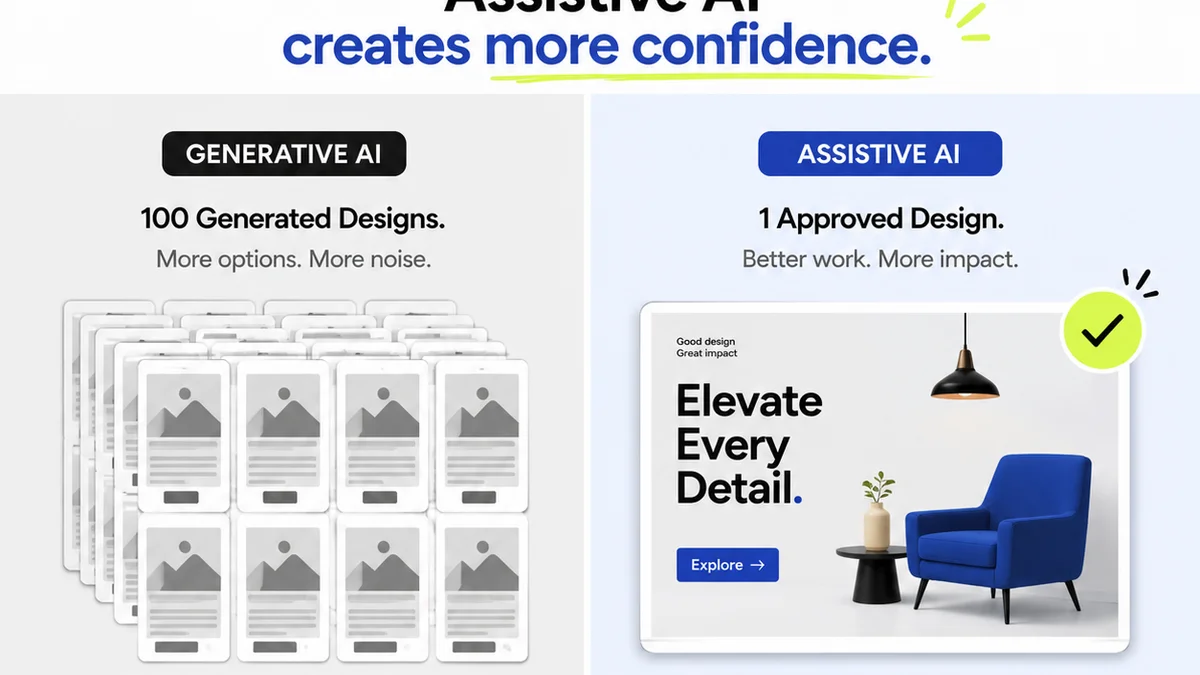
Everyone’s talking about AI, automation, and the metaverse as the future of agency management. They envision sleek dashboards, autonomous teams, and creative work appearing as if by magic.
None of that is wrong. But it’s incomplete.
The real future of agency management isn’t about the next big technological leap. It’s about mastering the fundamentals: client communication, project execution, and team alignment. It’s about getting the boring stuff right.
1. The Illusion of 'Effortless' Creative
We love the idea of the effortless genius. The creative director who conjures brilliant concepts out of thin air. The account manager who navigates impossible client demands with a smile.
This myth is damaging.
It obscures the immense amount of process, collaboration, and frankly, grunt work that goes into every successful campaign. When we pretend creativity is effortless, we devalue the operational backbone that makes it possible.
The Real Work is in the Middle
The magic happens in the trenches. It’s in the endless rounds of feedback, the meticulous revisions, the stakeholder approvals, and the quality checks. It’s the stuff that doesn’t make for flashy headlines but keeps the lights on and clients happy.
Ignoring this operational reality is a fast track to burnout and client churn. You can have the most innovative creative minds, but if your workflow is a mess, your brilliance will never see the light of day.
- Missed deadlines
- Scope creep
- Budget overruns
- Damaged client relationships
- Demoralized teams
These aren't signs of a lack of creativity. They're symptoms of poor operational management.
2. The Myth of the 'Perfect' Client Relationship
Another common assumption: the ideal client relationship is one where the client is always aligned, always understands, and never pushes back.
This is a fantasy.
The truth is, friction is inevitable. Clients have their own pressures, their own stakeholders, and their own interpretations of what success looks like. The goal isn’t to eliminate friction; it’s to manage it effectively.
Turning Friction into Fuel
A well-managed agency doesn’t avoid difficult conversations; it leans into them. It sees client feedback not as an obstacle, but as crucial data.
The key is establishing clear processes for receiving, interpreting, and acting on that feedback. When feedback is centralized, visible, and actionable, it becomes a tool for alignment, not a source of conflict.
- Centralized Feedback: All comments and annotations in one place.
- Version Control: Track every iteration and who approved what.
- Clear Communication Channels: Eliminate endless email chains.
- Defined Approval Workflows: Set clear expectations for sign-offs.
When you have these systems in place, even the most challenging feedback can be handled constructively. It transforms a potential crisis into an opportunity for deeper collaboration and a stronger final product.
3. The Danger of 'Ad Hoc' Operations
Many agencies pride themselves on their agility and flexibility. They operate on instinct, adapting on the fly.
This can feel liberating. It can also be a ticking time bomb.
While adaptability is crucial, a complete lack of standardized processes leads to chaos. What works for one project, or one team member, might not work for another. This inconsistency erodes efficiency and breeds errors.
Building a Reliable Engine
The future of agency management requires building a reliable operational engine. This doesn’t mean rigid bureaucracy; it means establishing repeatable, scalable processes for core functions.
Think about the critical paths in your agency:
- Onboarding new clients
- Briefing creative teams
- Managing revisions
- Conducting quality assurance
- Invoicing and payments
Each of these areas benefits from a defined, documented process. This doesn't stifle creativity; it frees up creative energy by removing the guesswork and the administrative burden.
When your operations are predictable, your team can focus on what they do best: creating great work. Your clients can trust that their projects are in capable hands, moving forward predictably.
4. The Overlooked Power of Visibility
We often focus on the *output* of creative work – the final ad, the polished website. We pay less attention to the *process* that gets us there.
This lack of visibility is a major operational blind spot.
Without a clear view into project status, feedback loops, and individual workloads, it’s impossible to manage effectively. You’re flying blind.
Seeing the Whole Picture
True operational mastery comes from having end-to-end visibility. This means understanding:
- Where each project stands at any given moment.
- Who is working on what, and what their capacity is.
- The status of client feedback and approvals.
- Potential bottlenecks before they cause delays.
- The overall health of your project pipeline.
This visibility isn't just for management. It empowers your team, reduces anxiety, and fosters accountability. When everyone can see the path forward, and their role in it, work becomes more focused and efficient.
Where Revue Fits In
This is precisely why tools like Revue exist. Not to replace human creativity or strategic thinking, but to shore up the operational foundations that support it.
Revue helps agencies tame the chaos of client feedback. It centralizes comments, tracks revisions, and provides clear visibility into the approval process. This eliminates the endless email chains, the lost feedback, and the frustrating
Frequently asked questions
Is AI irrelevant to the future of agency management?
No, AI will play a role, particularly in automating repetitive tasks and providing insights. However, the core operational challenges of managing client relationships, feedback, and project execution remain paramount and require robust systems beyond just AI.
How can agencies improve client feedback management?
Centralize all feedback in one platform, establish clear communication channels, use annotation tools for specific comments, and implement a structured approval workflow. This ensures clarity and reduces misinterpretations.
What are the biggest operational mistakes agencies make?
Common mistakes include relying on ad-hoc processes, lacking visibility into project status and team workload, poor communication, and failing to standardize core workflows. This leads to inefficiencies, missed deadlines, and client dissatisfaction.
How does visibility improve agency operations?
Visibility provides a clear overview of project status, team capacity, and client approval stages. This allows for proactive bottleneck identification, better resource allocation, and improved team alignment, reducing anxiety and boosting efficiency.