Everyone talks about the future of creative collaboration. They paint a picture of seamless remote work, AI assistants, and holographic meetings. None of that is wrong. But it’s incomplete.
The real future of creative collaboration isn't about flashy tech. It's about operational clarity. It’s about reducing friction, eliminating ambiguity, and ensuring everyone, from the junior designer to the client, is on the same page, at the same time.
1. The Illusion of 'Easy' Collaboration
The assumption is that with more tools, collaboration gets easier. More chat apps, more project management software, more cloud storage. We’re drowning in tools, not drowning in progress.
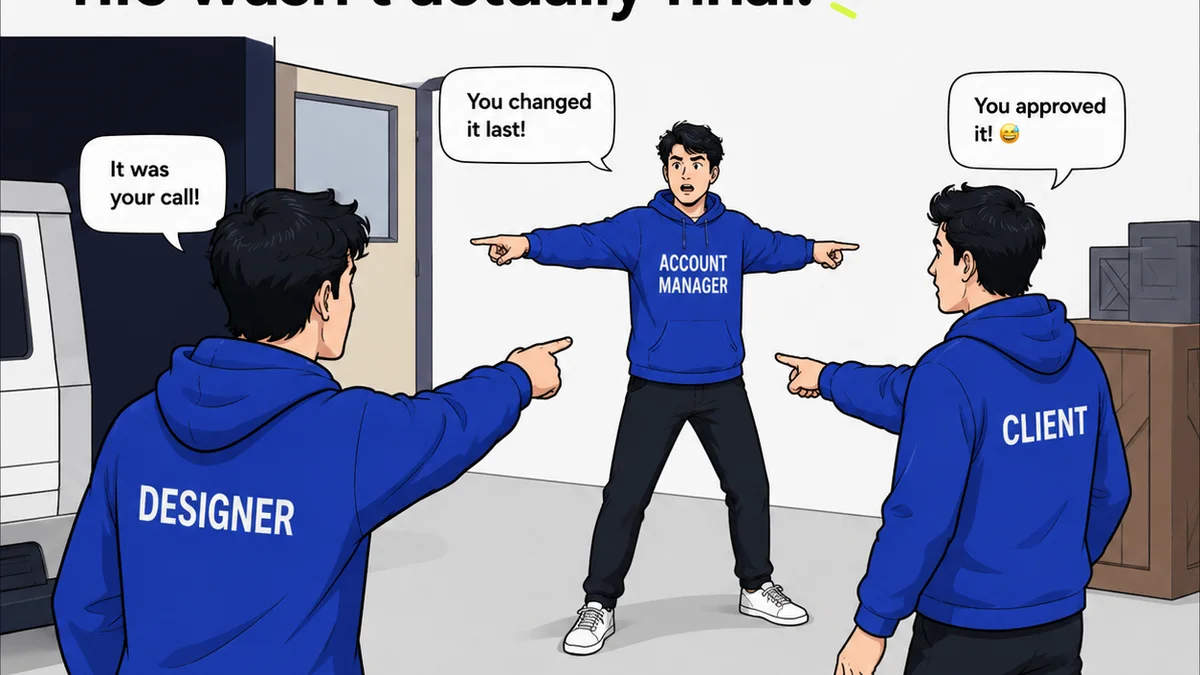
This is the hard truth: most creative teams operate in a state of constant context switching and fragmented communication. Feedback lives in emails, Slack messages, video call notes, and even handwritten sticky notes. Revisions become a game of telephone, where meaning gets lost and deadlines slip.
This isn’t collaboration. It’s chaos disguised as connectivity.
The Symptoms of Fragmented Collaboration
- Endless email chains to track down one piece of feedback.
- Multiple versions of the same file floating around.
- Misunderstandings about client requests leading to rework.
- Designers guessing what a stakeholder *really* meant.
- Managers spending more time chasing updates than strategizing.
- Late-stage feedback derailing established timelines.
These aren't minor inconveniences. They are fundamental roadblocks to delivering great creative work efficiently.
2. Centralization: The Unsexy Foundation
The future of creative collaboration hinges on centralization. Not just of files, but of communication, feedback, and approvals. This isn't about a single tool doing everything, but about a central hub that orchestrates the flow.
Think of it like a conductor leading an orchestra. Each musician (team member, client) has their instrument (their role, their input), but the conductor (the centralized system) ensures they play in harmony, at the right time, and with the right tempo.
Key Pillars of Centralized Workflow
- Single Source of Truth: All project assets, discussions, and decisions reside in one accessible place. No more hunting through disparate platforms.
- Contextual Feedback: Feedback is tied directly to the specific element it refers to, whether it's a design mockup, a video frame, or a piece of copy.
- Version Control Clarity: Every iteration is tracked, dated, and easily accessible. The history of changes is transparent, not hidden.
- Streamlined Approvals: Clear workflows for submitting work for review and obtaining official sign-off. No more guesswork on who needs to approve what.
This operational discipline is the bedrock upon which all advanced collaboration techniques are built.
3. Visibility: Knowing Who Needs What, When
Collaboration breaks down when visibility is poor. When a designer doesn't know who has the latest feedback, or when a client doesn't see the impact of their requested changes, friction occurs.
The future demands radical transparency in the creative process. Everyone involved should have a clear understanding of the project status, pending actions, and historical decisions.
Achieving Workflow Visibility
- Real-time Status Updates: Automated notifications and dashboards show progress without constant check-ins.
- Clear Accountability: Assigning ownership for tasks and feedback ensures no balls are dropped.
- Client Journey Mapping: Clients can see their own feedback loop, understand timelines, and feel more in control.
- Revision Impact Tracking: Understanding how each revision impacts the overall project scope and timeline.
This level of insight reduces anxiety for both the internal team and the client.
4. The Human Element: Beyond the Tools
Technology enables collaboration, but it doesn't guarantee it. The best creative teams foster a culture of open communication, trust, and psychological safety.
The future isn't about replacing human interaction, but about enhancing it by removing the mundane, repetitive tasks that drain creative energy.
Fostering a Collaborative Culture
- Defined Roles and Responsibilities: Everyone knows their part and how it contributes to the whole.
- Respect for Process: Adhering to agreed-upon workflows, even when it feels slower in the short term.
- Constructive Feedback Culture: Training teams on how to give and receive feedback effectively, focusing on the work, not the person.
- Celebration of Wins: Acknowledging milestones and successful project completions reinforces positive collaboration.
Tools can manage tasks, but culture drives true collaboration.
5. Where Revue Fits In
The future of creative collaboration requires a system that bridges the gap between brilliant creative work and efficient, transparent project delivery. That’s where Revue excels.
Revue acts as your centralized hub for client feedback and revision management. Instead of chasing emails or deciphering Slack threads, all client input lives on the specific creative asset. Designers see exactly what needs to be changed, and why.
With clear revision tracking and approval workflows, you eliminate ambiguity. Stakeholders know what’s expected of them, and you have a documented history of every decision. This visibility streamlines communication, reduces errors, and ensures your team spends less time on administrative overhead and more time on creating.
Revue helps you move beyond the illusion of collaboration to the reality of efficient, effective teamwork.
Final Thought
The future of creative collaboration isn't about abandoning human connection for AI. It's about building robust operational frameworks that empower human connection by removing friction. It’s about making the complex simple, the scattered organized, and the ambiguous clear.
Are your current collaboration methods truly enabling your team, or are they a hidden drain on your most valuable creative resource?
Frequently asked questions
What is the biggest misconception about the future of creative collaboration?
The biggest misconception is that the future is solely about advanced technology like AI or VR. While these tools play a role, the true future lies in operational efficiency, centralized communication, and streamlined workflows that reduce friction and ambiguity for creative teams and clients.
How can creative teams improve their collaboration without buying more software?
Focus on process and culture. Define clear roles, establish consistent communication protocols, train your team on giving and receiving constructive feedback, and create a single source of truth for project assets and decisions. Centralizing feedback and revisions within an existing, well-defined system is key.
Why is centralized feedback so important for creative projects?
Centralized feedback ensures all comments and decisions are linked directly to the relevant asset, eliminating confusion and preventing information silos. It provides a clear audit trail, reduces the risk of misinterpretation, and makes it easier to track revisions, saving significant time and preventing rework.
What are the key benefits of improving visibility in creative workflows?
Improved visibility means everyone on the team and client-side understands the project status, pending actions, and decision history. This reduces anxiety, builds trust, ensures accountability, and allows for better management of timelines and resources, leading to smoother project execution.