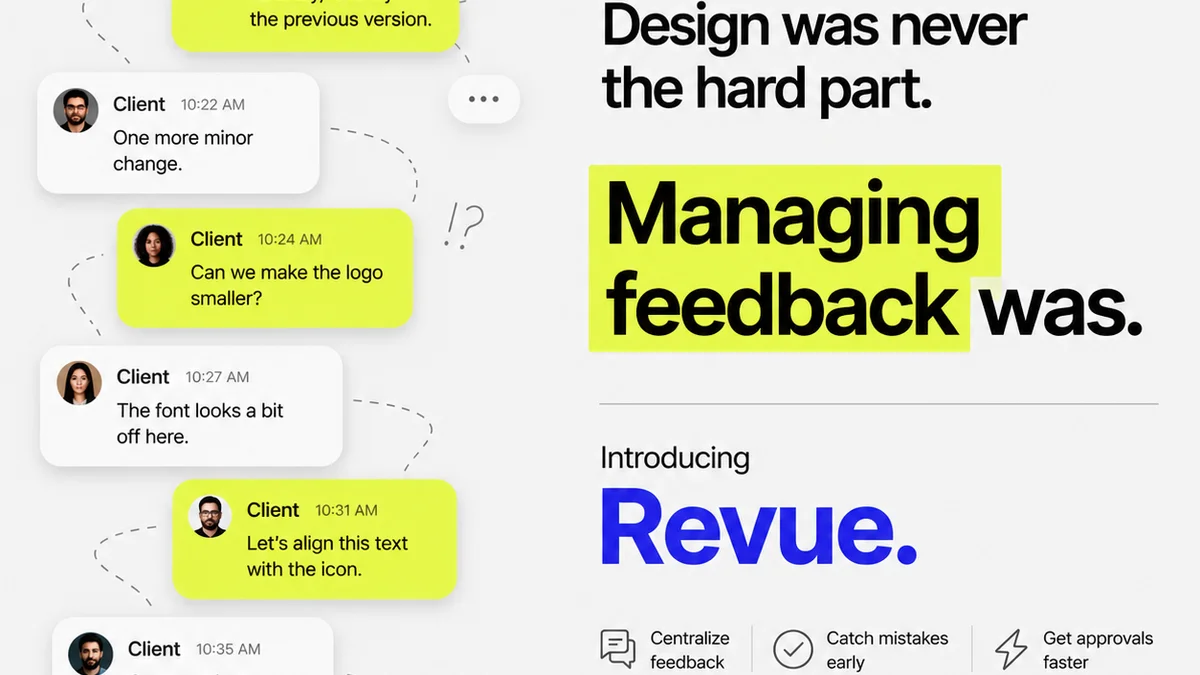
Everyone thinks design QA is about catching pixel-perfect errors. That’s the easy part. It’s a given. But it’s not the future. Not even close.
The real work is deeper. It’s about ensuring the design solves the right problem, for the right audience, in the right way. That’s the hard truth.
1. From Aesthetics to Strategy
For years, design QA meant scrutinizing every curve, every shade, every alignment. Is the button blue enough? Is the kerning off by half a point? These are important, yes. But they are table stakes.
By 2026, the focus shifts dramatically.
It’s about asking: Does this design align with the business goals? Does it resonate with the target user? Does it solve the core problem we set out to address?
The Strategic Imperative
Design is no longer just a pretty face. It’s a critical business driver. QA needs to reflect this.
- Is the user flow intuitive and efficient for the intended user?
- Does the design support the overarching brand strategy and messaging?
- Are accessibility standards met not just as a checklist, but as a genuine user consideration?
- Does the visual hierarchy guide users to the most important actions and information?
This requires a different kind of reviewer. Not just a pixel-pusher, but a strategic thinker. Someone who understands the project’s objectives and the user’s needs.
2. The Rise of Contextual and Behavioral QA
Static mockups and pixel-perfect builds are only part of the story. The real test happens in context.
In 2026, QA will be deeply integrated with user testing and live data. It’s about observing how users *actually* interact with the design, not just how we *think* they will.
Beyond the Checklist
The traditional QA checklist is insufficient. It can’t capture the nuances of real-world use.
- Usability Testing: Observing users attempting tasks. Where do they stumble? What causes frustration?
- A/B Testing: Comparing different design variations to see which performs better against key metrics.
- Analytics Review: Analyzing user behavior data from live products. Where are users dropping off? What features are underutilized?
- Heuristic Evaluation: Expert review against established usability principles.
This data-driven approach moves QA from a subjective
Frequently asked questions
What is the biggest shift in design QA for 2026?
The biggest shift is moving from a focus on aesthetic perfection and minor visual errors to a deeper evaluation of strategic alignment, user experience, and business goal achievement.
How will AI impact design QA?
AI will automate many of the repetitive, pixel-level checks, freeing up human reviewers to focus on higher-level strategic and usability aspects. It will also aid in analyzing user data for behavioral QA.
What skills will a design QA specialist need in 2026?
Beyond visual acuity, specialists will need strong analytical skills, an understanding of user psychology, familiarity with user testing methodologies, and the ability to interpret data. Strategic thinking is paramount.
How can agencies prepare for the future of design QA?
Agencies should invest in tools that support user testing and data analysis, train their teams on strategic thinking and usability principles, and foster a culture where QA is seen as integral to product success, not just a final check.