Everyone thinks design Quality Assurance (QA) is about catching typos and broken links. That’s not wrong. But it’s incomplete.
The real future of design QA for enterprise teams isn’t just about finding errors; it’s about building a predictable, scalable, and collaborative system that underpins creative output and business goals.
1. The Myth of the Lone QA Hero
Many agencies and in-house teams still operate with a bottlenecked QA process. One person, or a small group, becomes the gatekeeper of quality. They’re the last line of defense.
This model breaks under pressure.
It creates dependencies. It slows down delivery. And it places an unsustainable burden on individuals.
The more complex the project, the more likely this single point of failure is to crumble.
The Symptoms of a Bottlenecked QA Process
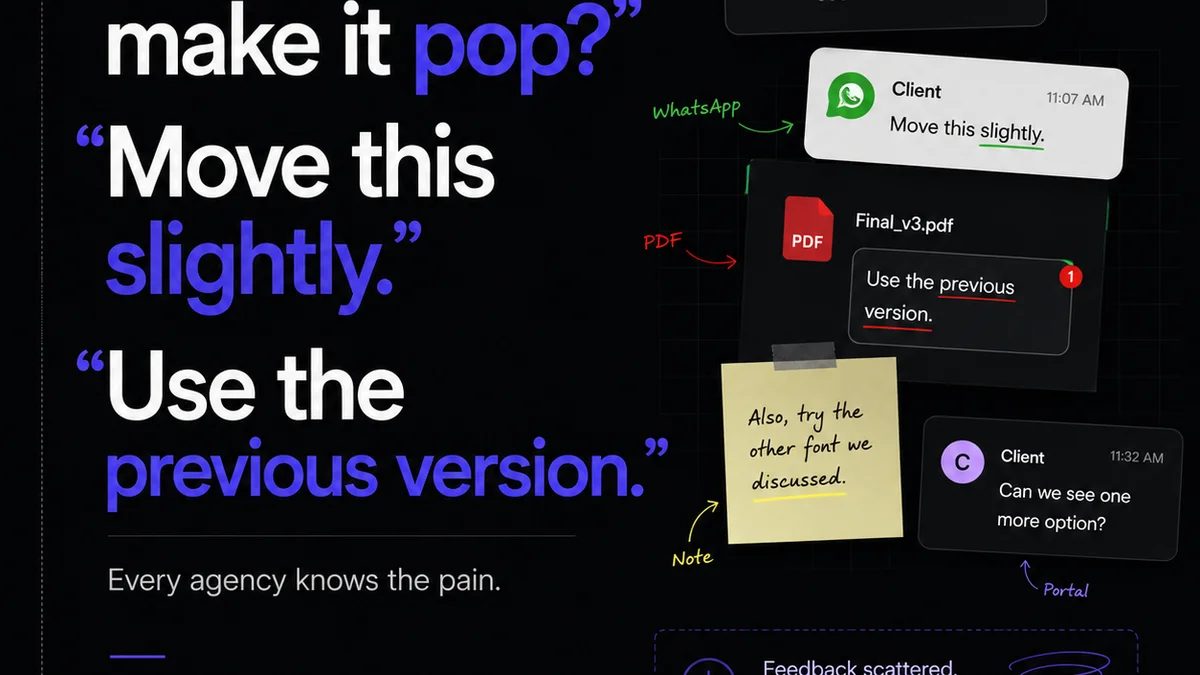
- Endless back-and-forth emails with feedback scattered across platforms.
- Longer-than-expected project timelines due to QA delays.
- Frustration from designers, developers, and project managers.
- A sense of dread when a project is nearing its final review.
- Inconsistent quality across different projects or teams.
This isn't scalable. It’s barely manageable.
2. Shifting from Detection to Prevention
True design QA evolution means moving beyond simply detecting flaws. The focus shifts to preventing them from occurring in the first place.
This requires a proactive, integrated approach.
It means embedding quality checks into every stage of the creative process, not just at the end.
Building Quality In, Not Bolting It On
Prevention starts with clear standards and accessible resources. Think of it like building a house: you wouldn't wait until the roof is on to check the foundation. You ensure the foundation is solid from day one.
- Clear Design Systems: A well-documented design system is your first line of defense. It provides a single source of truth for UI components, styles, and patterns. When everyone uses the same building blocks, consistency is inherent.
- Standardized Checklists: Develop comprehensive, project-specific QA checklists. These shouldn't just cover visual bugs but also accessibility, performance, and brand compliance.
- Early and Frequent Reviews: Integrate design reviews early and often. This means involving stakeholders and QA specialists in concept and wireframing stages, not just final mockups.
- Automated Tools: Leverage tools that can automatically check for common issues. Think linters for code, accessibility scanners, and even visual regression testing tools.
This proactive stance reduces the volume of issues that even reach the final QA stage, freeing up your team to focus on critical, nuanced problems.
3. Collaboration is the New QA
The biggest shift in enterprise design QA is the move from a siloed function to a collaborative discipline.
Quality is everyone’s responsibility.
This means breaking down barriers between design, development, product, and marketing teams.
Fostering a Culture of Shared Ownership
How do you make quality a team sport?
- Cross-Functional Training: Educate designers on common development issues and developers on design principles and brand guidelines. Understanding each other’s challenges fosters empathy and better collaboration.
- Shared Feedback Platforms: Implement tools where all stakeholders can provide feedback in a centralized, organized manner. This eliminates scattered comments across email, Slack, and disparate documents.
- Integrated Workflows: Ensure QA processes are seamlessly integrated into your project management and development pipelines. This could mean using tools that link design assets directly to development tickets.
- Regular Syncs: Schedule regular cross-team meetings specifically to discuss quality and potential issues. These aren't just status updates; they're problem-solving sessions.
When teams collaborate on quality, the final output is stronger, and the process is smoother.
4. Embracing Scalable Feedback Loops
Enterprise projects are rarely simple. They involve multiple stakeholders, complex user flows, and stringent brand requirements.
Your feedback and QA process must be able to handle this complexity without collapsing.
The Challenge of Enterprise Feedback
Imagine a global product launch. You have feedback coming from regional marketing teams, legal departments, product managers, and end-users.
Without a system, this becomes chaos.
- Centralized Feedback Hubs: A single platform where all client and stakeholder feedback can be collected, organized, and tracked is non-negotiable.
- Version Control for Feedback: Understand which feedback applies to which version of the design. This prevents confusion and wasted effort.
- Clear Approval Workflows: Define and enforce clear stages for feedback, revisions, and final approvals. Who needs to sign off, and when?
- Data-Driven Insights: Use feedback data to identify recurring issues and areas where your design process might be breaking down. This informs continuous improvement.
Scalable feedback loops mean that as your enterprise grows, your ability to manage and act on feedback also grows, rather than becoming a major bottleneck.
5. The Role of Technology in Modern QA
Technology isn't a magic bullet, but it's an essential enabler for modern design QA.
Manual processes simply don't cut it at scale.
The right tools can automate tedious tasks, centralize communication, and provide crucial visibility.
Key Technologies for Enterprise QA
- Design Collaboration Platforms: Tools like Figma or Adobe XD offer collaborative spaces for design creation and initial review.
- Dedicated Feedback & Approval Tools: Platforms built specifically for collecting, organizing, and tracking design feedback and approvals streamline the entire process.
- Project Management Software: Tools such as Jira, Asana, or Trello help manage tasks, track progress, and integrate QA into the development lifecycle.
- Automated Testing Suites: For digital products, automated testing for code quality, performance, and accessibility significantly reduces manual effort.
- Design System Management Tools: Platforms that help manage, document, and distribute design systems ensure consistency and aid in QA.
These technologies, when implemented thoughtfully, transform QA from a reactive chore into a proactive, integrated part of the creative workflow.
Where Revue Fits In
This is where a tool like Revue becomes critical for enterprise design teams. It’s built to tackle the chaos of scattered feedback and opaque revision cycles.
Revue provides a centralized hub for all client and stakeholder feedback on creative assets. Instead of digging through emails or Slack threads, all comments, annotations, and revisions live in one place, linked directly to the design file.
This visibility is crucial for QA. When a QA specialist or a project manager needs to review a design, they have a clear history of all feedback, discussions, and approvals. They can easily see what has been addressed, what is pending, and who is responsible.
This directly supports a proactive QA strategy by:
- Centralizing Feedback: All comments, markups, and discussions are in one place, reducing missed feedback.
- Streamlining Revisions: Track changes and ensure all feedback is actioned before final approval.
- Enabling Clear Approvals: Define clear sign-off stages, ensuring stakeholders have reviewed and approved the work.
- Improving Collaboration: Facilitates communication between designers, clients, and internal teams, making quality a shared goal.
By providing this structure, Revue helps enterprise teams move beyond the
Frequently asked questions
What is the primary difference between traditional and future-focused design QA?
Traditional design QA primarily focuses on detecting errors at the end of the production cycle. Future-focused design QA shifts this to prevention, embedding quality checks throughout the entire creative process and fostering a culture of shared responsibility.
How can design systems improve the QA process?
Design systems act as a single source of truth for UI components and styles, ensuring consistency by default. When designers and developers adhere to the system, the number of visual and functional inconsistencies that QA needs to catch is significantly reduced.
What are the benefits of a centralized feedback system for design QA?
A centralized system consolidates all client and stakeholder feedback in one place, preventing missed comments and confusion. It provides a clear audit trail of discussions and approvals, making it easier for QA teams to verify that all issues have been addressed and to streamline the revision process.
How can enterprise teams measure the success of their design QA efforts?
Success can be measured by tracking metrics such as the reduction in critical bugs reported post-launch, the decrease in project revision cycles, the improvement in on-time delivery rates, and stakeholder satisfaction with the quality of the final output.