Everyone agrees that Design Quality Assurance (QA) is important. It’s the final gate before a client sees the work, the last chance to catch typos, broken links, or misaligned elements. That’s the common wisdom.
But that’s a dangerously incomplete picture.
Design QA isn’t just a final check; it’s a strategic imperative that impacts every stage of your creative workflow, from initial concept to final delivery. Treating it as a mere checkbox is a direct route to scope creep, client frustration, and missed deadlines. The real truth? Robust Design QA is an integrated, proactive process that saves time, money, and your agency’s reputation.
1. The Myth of the 'Quick Check'
Many agencies view QA as something that happens *after* the design is technically 'done'. It’s the designer’s last pass, or perhaps a junior team member’s task. It’s a quick scan for obvious errors.
This approach is fundamentally flawed.
It assumes that errors are isolated incidents, easily spotted at the end. It ignores the systemic issues that lead to those errors in the first place. It also places an enormous burden on the final reviewer to catch everything, which is an unrealistic expectation.
Common Symptoms of Poor QA Processes:
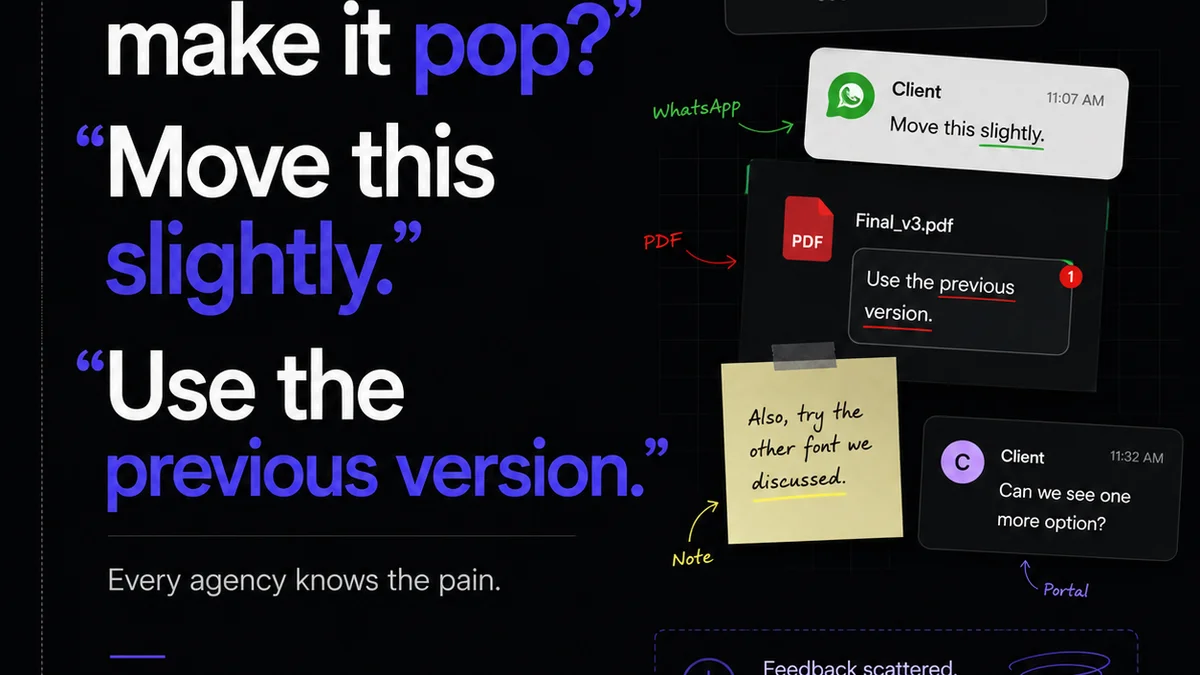
- Endless rounds of minor client revisions.
Frequently asked questions
What is the primary goal of Design QA?
The primary goal of Design QA is to identify and rectify errors, inconsistencies, and deviations from project requirements before final delivery. This ensures the creative work meets quality standards, client expectations, and technical specifications, ultimately leading to a successful project and client satisfaction.
How can agencies proactively improve their Design QA process?
Agencies can proactively improve Design QA by integrating checks throughout the workflow, not just at the end. This includes establishing clear brand guidelines, using checklists, implementing peer reviews, automating where possible, and ensuring clear communication channels for feedback and revisions.
What are the key elements of effective Design QA checklists?
Effective Design QA checklists should cover critical areas such as visual consistency (branding, typography, color), functional accuracy (links, forms, interactions), content correctness (spelling, grammar, data), technical compliance (responsiveness, accessibility, file formats), and adherence to client brief and project scope.
How does Design QA impact client relationships?
Effective Design QA significantly improves client relationships by minimizing errors, reducing the need for extensive revisions, and delivering polished, professional work. This builds trust, demonstrates attention to detail, and ensures the client feels confident in the agency's capabilities.