Everyone’s talking about DesignOps. It’s the new buzzword, the silver bullet for creative teams drowning in complexity. You hear it’s about faster workflows, happier designers, and clients who magically approve everything on the first try.
None of that is wrong. But it’s incomplete.
The real future of DesignOps isn’t about adopting a few new tools or writing a new process document. It’s about a fundamental shift in how we think about creative production. It’s about building systems that amplify, not just manage, creative talent.
The Hard Truth: DesignOps is About Reducing Cognitive Load
Most discussions around DesignOps focus on the ‘what’ – the tools, the templates, the meetings. The real value, the future of DesignOps, lies in the ‘why’: reducing the mental overhead that crushes creativity. Designers are paid to think, to solve problems, to create. They shouldn’t be spending their prime energy wrestling with file versions, chasing down feedback, or figuring out who’s supposed to approve what.
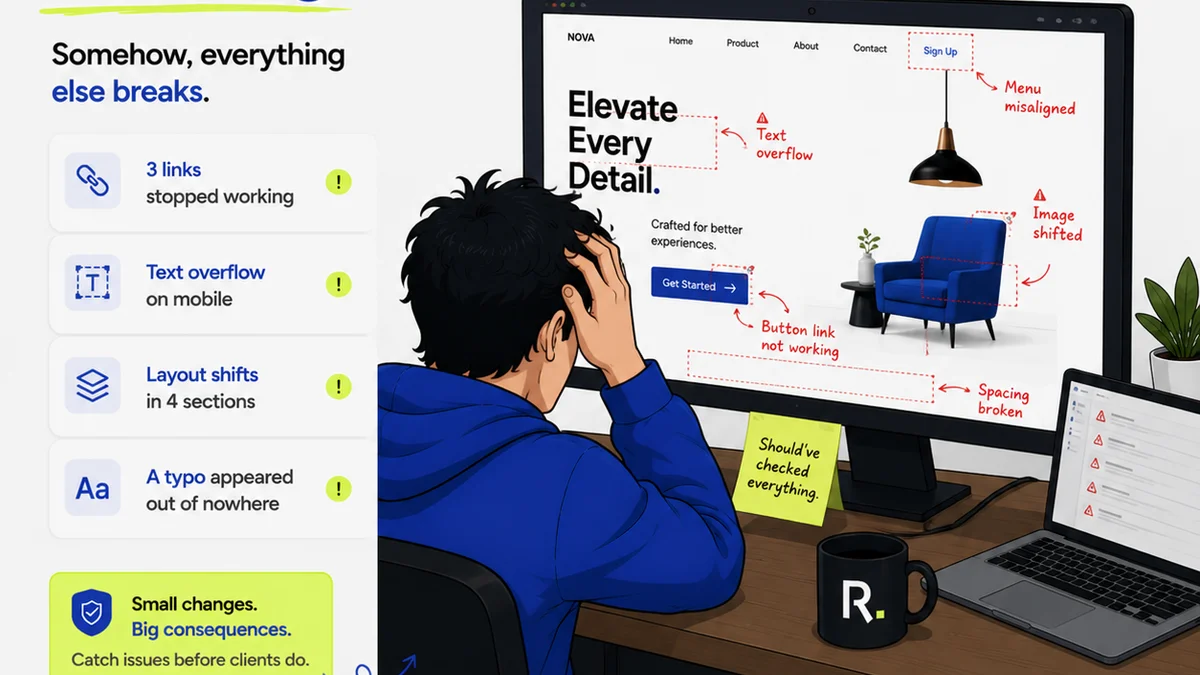
This friction isn’t just annoying; it’s expensive. It leads to:
- Missed deadlines
- Scope creep disguised as 'clarifications'
- Burnout and talent drain
- Mediocre creative output
- Client frustration
The future of DesignOps is about surgically removing these barriers, freeing up cognitive bandwidth so your team can do their best work. It’s about making the *process* invisible so the *creativity* can shine.
1. From Reactive to Proactive: Anticipating Bottlenecks
The old way of managing creative work was reactive. Something broke, so we fixed it. A project ran late, so we scrambled.
The future of DesignOps is proactive. It’s about building systems that anticipate where things can go wrong and putting guardrails in place before they do.
The Symptoms of Reactiveness
How do you know if your team is stuck in reactive mode?
- Feedback loops that stretch for days, not hours.
- Constant
Frequently asked questions
What is DesignOps really about?
At its core, DesignOps is about optimizing the design process to free up designers' time and mental energy for creative work. It's about streamlining workflows, managing resources, and improving communication to reduce friction and enhance productivity.
How does DesignOps improve creative output?
By removing administrative burdens and clarifying processes, DesignOps allows designers to focus on problem-solving and ideation. This reduction in cognitive load leads to higher quality creative work, fewer errors, and more innovative solutions.
Is DesignOps just about tools?
No. While tools are part of the equation, DesignOps is fundamentally about people, processes, and strategy. The goal is to create an environment where design teams can operate efficiently and effectively, with tools serving as enablers, not the primary focus.
How can a small agency implement DesignOps principles?
Start small. Identify your biggest process pain points – maybe it's feedback collection or file versioning. Implement simple, consistent practices and perhaps a single tool to address that specific issue. Gradually expand as you see benefits.