Everyone thinks packaging design is all about the pretty picture. The sleek lines, the vibrant colors, the clever die-cuts. That’s the part clients see. That’s the part that gets shared on Instagram.
None of that is wrong. But it’s incomplete.
The real future of packaging design isn’t just about looking good on the shelf. It’s about working seamlessly through the entire supply chain, meeting increasingly complex sustainability demands, and integrating with digital experiences. It's an operational challenge disguised as a creative one.
1. The Supply Chain Tightrope
Think packaging is just the final output? Think again. The entire journey from raw material to the consumer’s hands is now a critical design consideration. This isn’t just about shipping costs; it’s about survival.
Material Constraints
The materials you can even get are dictated by global availability, trade tariffs, and environmental regulations. A beautiful concept is useless if you can’t source the cardboard, the bioplastic, or the recycled glass. Designers need to be supply chain geographers.
Logistical Realities
How does it ship? Flat-packed? Assembled? How many units fit on a pallet? What are the weight restrictions? These aren’t afterthoughts; they’re design parameters. Failure here means higher costs, damaged goods, and missed deadlines.
Manufacturing Limitations
Your dream design might be impossible or prohibitively expensive to produce at scale. Understanding the capabilities and limitations of printing presses, folding machines, and filling lines is paramount. It’s a constant negotiation between aspiration and industrial reality.
2. Sustainability: From Buzzword to Baseline
For years, sustainability in packaging was a nice-to-have. Now, it’s a non-negotiable. Consumers, regulators, and even your clients’ investors are demanding it. And it’s far more complex than just slapping a ‘recyclable’ sticker on it.
Material Innovation
We’re seeing rapid advancements in biodegradable, compostable, and truly circular materials. Designing with these requires a different mindset. You need to understand end-of-life scenarios and material lifecycles.
Reduced Footprint
This means less material overall, lighter weights for transport, and designs that minimize waste during production. It’s about efficiency as much as eco-friendliness. Think minimalist structures and smart material usage.
End-of-Life Clarity
Consumers are confused. Is it compostable? Recyclable? Reusable? Clear, unambiguous on-pack communication is essential. But the design must also *enable* that clear communication, often through simplified forms and material choices.
3. The Digital Integration Imperative
Packaging is no longer a static, silent object. It’s becoming an interactive gateway to the digital world.
QR Codes and NFC Tags
These aren’t just for promotions anymore. They link to product information, authenticity verification, usage instructions, customer support, and even augmented reality experiences. The placement and design of these elements are crucial for usability.
Brand Storytelling
The physical package can now extend the brand narrative online. A scan might unlock behind-the-scenes content, founder stories, or sustainability impact reports. The packaging becomes the first touchpoint in a much larger digital journey.
Data and Analytics
Tracking scans and interactions provides valuable data about consumer engagement. This feedback loop can inform future packaging iterations and marketing strategies. The package is now a data collection point.
4. Operationalizing Creative Excellence
So, how does an agency actually *do* all this? It requires a fundamental shift from a purely creative-first approach to an operations-aware one.
Cross-Functional Collaboration
Designers can no longer work in a silo. They need to collaborate deeply with:
- Procurement: To understand material availability and cost.
- Logistics: To ensure efficient shipping.
- Manufacturing: To confirm production feasibility.
- Marketing: To align with campaign goals and digital integration.
- Sustainability Officers: To meet environmental targets.
Informed Design Briefs
Briefs need to explicitly include operational and sustainability requirements from the outset. Vague goals lead to rework and missed opportunities. Specificity is key.
Iterative Prototyping and Testing
Beyond visual mockups, this means physical prototyping that tests structural integrity, material performance, and even shipping resilience. Real-world testing is essential.
Leveraging Technology
Tools that can simulate supply chain impacts, predict material performance, or manage complex revision cycles become invaluable. This is where efficiency meets creativity.
Where Revue Fits In
Managing this complexity demands streamlined workflows. Creative projects, especially packaging, involve numerous stakeholders, endless revisions, and critical sign-offs.
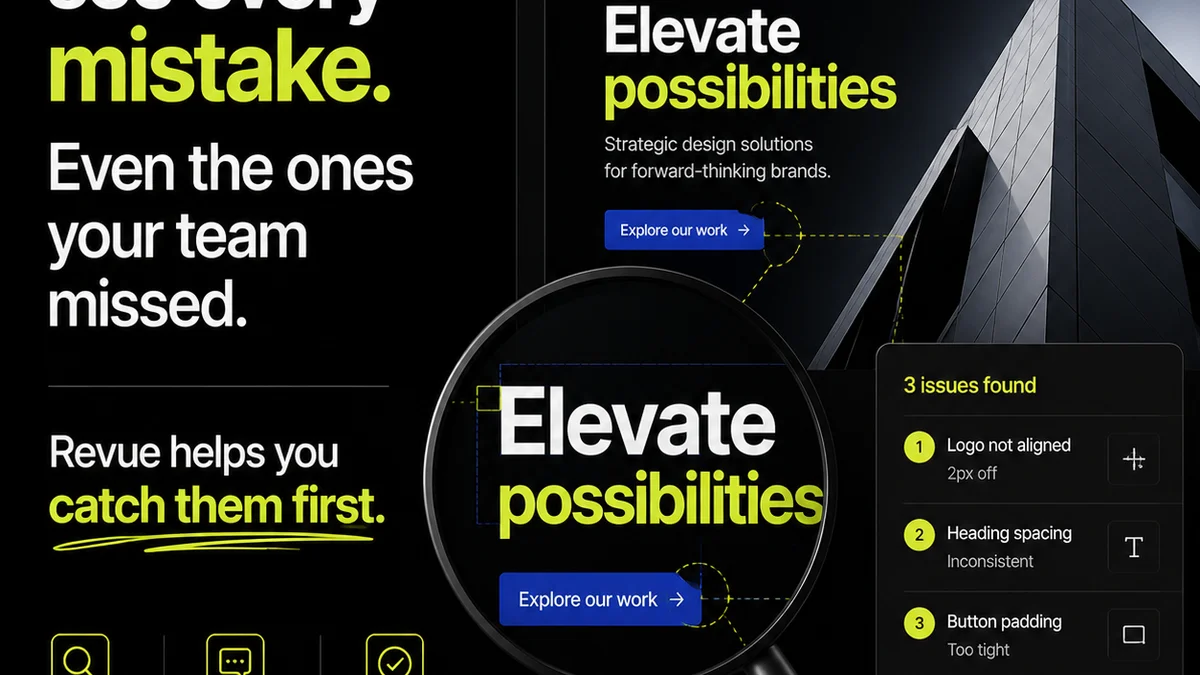
Trying to track feedback via scattered email threads, Slack messages, and forgotten phone calls is a recipe for disaster. It leads to misinterpretations, overlooked comments, and ultimately, costly mistakes that impact production schedules and budgets.
Revue provides a central hub for all client feedback and internal reviews. You can:
- Centralize Feedback: All comments and annotations live in one place, tied directly to the specific design asset. No more hunting for lost emails.
- Manage Revisions Visibly: Track every iteration, understand what changed, and see exactly who approved what, and when. This transparency is crucial for accountability.
- Streamline Approvals: Create clear approval workflows, ensuring all necessary stakeholders sign off before moving to production. This reduces bottlenecks and prevents costly errors.
- Ensure Quality Checks: Use the platform to conduct final quality assurance, making sure all specifications are met before the design goes to print.
This operational clarity allows your creative team to focus on solving the complex design challenges, rather than getting bogged down in project management chaos.
Final Thought
The future of packaging design is here, and it’s far more intricate than the surface suggests. It requires a blend of creative ingenuity and rigorous operational discipline. Are you designing just for the eye, or for the entire lifecycle?
Frequently asked questions
What are the key operational challenges in modern packaging design?
Key challenges include navigating complex supply chains, sourcing sustainable materials, meeting manufacturing constraints, and ensuring efficient logistics. These factors significantly impact the feasibility and cost of any design.
How is sustainability changing packaging design requirements?
Sustainability is shifting from a bonus feature to a core requirement. Designers must now focus on material innovation (biodegradable, compostable), reducing the overall environmental footprint, and ensuring clear, accurate end-of-life communication for consumers.
What role does digital integration play in future packaging?
Packaging is becoming a digital touchpoint. QR codes, NFC tags, and AR experiences extend brand storytelling, provide product information, and gather consumer data, making the physical package a gateway to the digital world.
How can agencies manage the complexity of modern packaging design?
Agencies need to foster cross-functional collaboration between design, procurement, logistics, and manufacturing. Utilizing technology for simulation and project management, and integrating operational requirements into initial design briefs are crucial steps.