Everyone talks about staying ahead of the curve in campaign design. About spotting the next big trend and jumping on it before the competition. That’s good advice. But it’s incomplete.
The real win isn’t chasing trends; it’s building a strategy so robust it weathers them. It’s about future-proofing your creative output, ensuring your campaigns resonate long after the initial buzz fades. This means looking beyond aesthetics and into the core of your creative process and client relationships.
1. Beyond the Shiny Object: Strategic Foundations
The allure of the new is powerful. A new font, a new social media format, a new AI tool. It’s easy to get swept up.
But a campaign design strategy needs more than just a fresh coat of paint.
It needs bedrock. It needs principles that don’t change with the season.
Defining Your Core Creative Principles
What truly defines your agency’s visual language? What are the non-negotiables that make your work distinctly yours?
This isn’t about rigid rules, but guiding stars. Think about:
- Brand Consistency: How do you ensure a unified look and feel across diverse platforms and touchpoints, regardless of the trend?
- User-Centricity: Are your designs solving a user problem or fulfilling a need, or are they just pretty pictures?
- Accessibility: Are you designing for everyone, or just the majority? Compliance with standards like WCAG is not just ethical, it’s future-proof.
- Timeless Aesthetics: What visual elements have enduring appeal? Think about balance, proportion, and clear hierarchy.
The Trap of Trend-Chasing
Chasing trends leads to campaigns that feel dated quickly. They might grab attention initially, but they lack staying power.
This frantic pace also burns out creative teams. It discourages deep thinking in favor of quick execution.
It’s a race to the bottom, not a path to enduring brand value.
2. Building Adaptability into Your Workflow
A future-proof strategy isn’t rigid; it’s resilient. It anticipates change and incorporates mechanisms for adaptation.
This starts with how you work, not just what you create.
Modular Design Systems
Think of campaign assets not as unique snowflakes, but as components of a larger system. This allows for flexibility and rapid deployment across different channels.
A well-defined design system, with reusable components and clear guidelines, is your best defense against obsolescence. It ensures consistency while allowing for variations that cater to specific platform needs or audience segments.
Cross-Functional Collaboration
Design doesn’t exist in a vacuum. The best campaigns integrate seamlessly with marketing, development, and client strategy.
Encourage collaboration early and often. When designers understand the technical constraints of a platform or the nuances of a marketing message, they can design solutions that are not only beautiful but also practical and effective in the long run.
Embrace Iteration, Not Perfection
The digital world is dynamic. What works today might need tweaking tomorrow. Your process should accommodate this.
Build in feedback loops and opportunities for refinement. Launching a campaign isn't the end; it's often the beginning of a learning process. Use data and user feedback to inform subsequent iterations.
3. The Human Element: Client Relationships and Communication
Technology and trends evolve, but strong client relationships are timeless.
Your strategy for managing client feedback and approvals is as critical as your visual design choices.
Clear Scope and Expectations
Ambiguity breeds inefficiency. Misaligned expectations lead to scope creep and frustrated clients.
Future-proof your projects by establishing crystal-clear project scopes, deliverables, and communication protocols from day one. Document everything.
Streamlined Feedback Loops
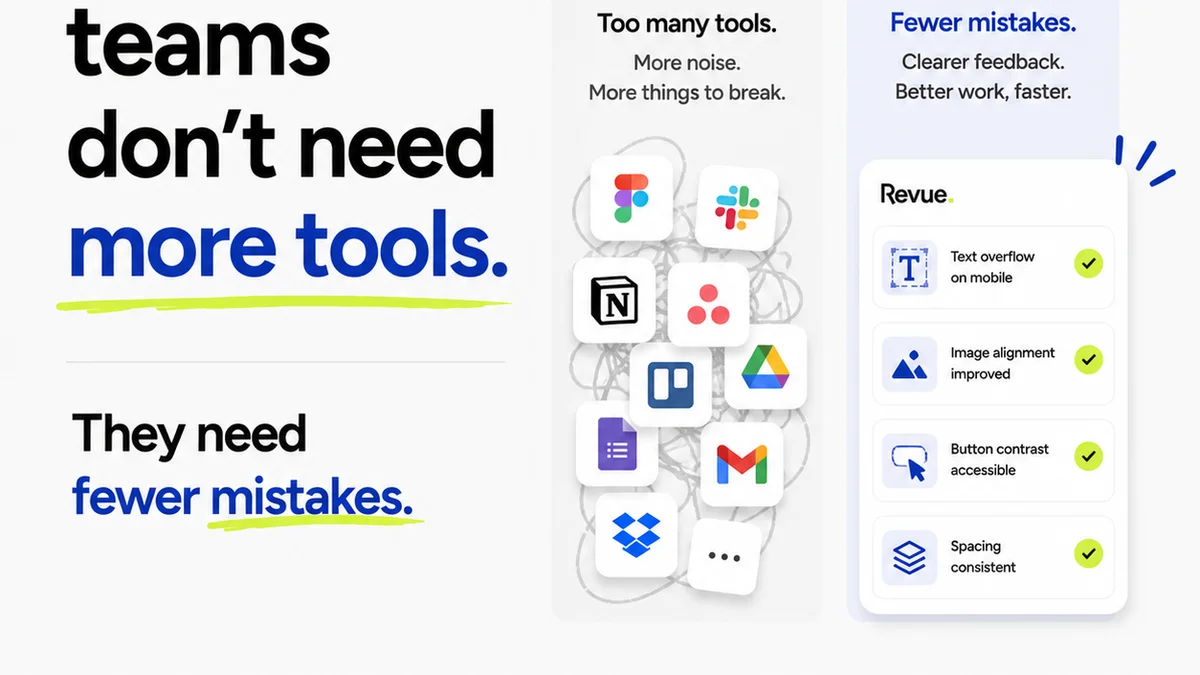
How do you gather feedback? Is it a chaotic email chain? A disorganized Slack thread? A slew of conflicting comments on a shared drive?
This is where operational efficiency directly impacts creative quality and longevity. Inefficient feedback processes lead to rushed revisions, missed details, and ultimately, weaker final assets.
Centralized feedback is key. It ensures all stakeholders are commenting in one place, reducing miscommunication and speeding up the revision cycle.
Visible Revision History
When a client asks for a change, do you know *why* they asked for it? Do you have a clear record of previous versions and the feedback that led to them?
A transparent revision history isn't just about accountability; it's about learning. It helps you understand client preferences, identify patterns, and avoid repeating past mistakes. It also protects your team from baseless accusations about
Frequently asked questions
What is a future-proof campaign design strategy?
A future-proof campaign design strategy is one that remains effective and relevant over time, regardless of shifting trends or technological changes. It focuses on foundational principles, adaptability, and strong client relationships rather than chasing fleeting fads.
How can design systems help future-proof campaigns?
Design systems provide a library of reusable components and guidelines. This modular approach allows for consistent branding, efficient updates, and rapid adaptation of campaign assets across various platforms and future needs without starting from scratch each time.
Why is client communication crucial for long-term campaign success?
Clear communication, well-defined expectations, and streamlined feedback processes prevent misunderstandings, scope creep, and wasted effort. This operational efficiency ensures that creative work is aligned with client goals and can be iterated upon effectively, leading to more robust and lasting campaigns.
How do I balance trends with timeless design principles?
Focus on core design principles like balance, hierarchy, and user-centricity, which have enduring appeal. Use trends sparingly as stylistic elements that complement, rather than define, your core strategy. Ensure trends align with brand identity and user needs for greater longevity.