Everyone talks about creative compliance. They say it’s about avoiding lawsuits, protecting brand IP, and meeting legal standards. None of that is wrong. But it’s incomplete. It paints compliance as a defensive chore, a box to be checked. The hard truth? A truly effective compliance strategy is proactive. It’s a competitive advantage. It fuels trust, streamlines operations, and ultimately, drives better creative work.
Future-proofing your creative compliance isn't about adding more rules. It's about building systems that anticipate change and embed good practice into your agency’s DNA. Let’s break down what that really means.
1. Beyond the Checklist: Shifting from Reactive to Proactive
Most agencies treat compliance as a final review step. Someone checks if the logo is the right color, if the disclaimer is present, if the music license is valid. This is reactive. It catches the obvious errors, but it’s a fire drill.
A proactive approach sees compliance woven into the entire creative process. It starts with onboarding and training, continues through brief development, and lives in the tools you use every day. It’s about building a culture where compliance isn't an afterthought, but a foundational element of quality.
The Cost of Reaction
- Missed deadlines due to last-minute compliance roadblocks.
- Expensive legal rework or settlements.
- Reputational damage from non-compliant campaigns.
- Eroded client trust due to perceived carelessness.
- Stifled creativity because the team fears making mistakes.
This reactive model is expensive and inefficient. It’s a strain on resources and morale.
2. Understanding the Evolving Landscape
The rules are always changing. What’s compliant today might be questionable tomorrow. Think about data privacy, AI-generated content, accessibility standards, and global advertising regulations. Your strategy needs to be flexible enough to adapt.
This means staying informed. It’s not just about legal counsel; it’s about understanding industry best practices and technological shifts.
Key Areas to Monitor
- Data Privacy: GDPR, CCPA, and evolving global regulations.
- Intellectual Property: Music licensing, stock imagery rights, AI-generated art ownership.
- Accessibility: WCAG guidelines for digital content.
- Advertising Standards: Truth in advertising, endorsements, and specific industry rules.
- AI and Machine Learning: Ethical use, data sourcing, and output ownership.
Ignoring these shifts is a recipe for obsolescence. Your compliance strategy must be a living document, not a static one.
3. Building a Culture of Compliance
The most robust systems fail without buy-in. Compliance isn't just an IT or legal department problem; it’s everyone’s responsibility. This starts at the top.
Leadership must champion a compliance-first mindset. This means providing the right training, resources, and tools. It means rewarding diligence, not just speed.
Fostering a Compliant Culture
- Mandatory Training: Regular, role-specific training on relevant compliance topics.
- Clear Guidelines: Accessible documentation outlining policies and procedures.
- Open Communication: Encourage questions and create safe channels for reporting concerns.
- Accountability: Fair and consistent enforcement of policies.
- Recognition: Acknowledge teams and individuals who demonstrate strong compliance practices.
When compliance is part of the culture, it becomes second nature. It’s not a burden; it’s how you operate.
4. Integrating Compliance into Your Workflow
This is where operational reality meets strategic intent. How do you make compliance an automatic part of the day-to-day? It requires smart processes and the right technology.
Think about your current creative workflow. Where are the compliance touchpoints? Are they clearly defined? Are they easy to follow?
Workflow Integration Points
- Briefing: Include mandatory compliance requirements in every creative brief.
- Asset Management: Tag assets with usage rights, expiry dates, and ownership information.
- Review & Approval: Build compliance checks into the review stages.
- Final Delivery: Ensure all necessary documentation and disclaimers are included.
Manual checks are error-prone and slow things down. Automation and clear system-guided processes are key.
5. Leveraging Technology for Scalability
Trying to manage complex compliance requirements with spreadsheets and email is a losing battle. As your agency grows, so does the risk and complexity.
Technology can automate checks, centralize documentation, and provide clear audit trails. This isn’t about replacing human judgment, but augmenting it. It ensures consistency and reduces the chance of human error.
Consider tools that help manage intellectual property, track asset usage, and streamline client feedback. These tools don’t just make your life easier; they build a more resilient compliance framework.
Where Revue Fits In
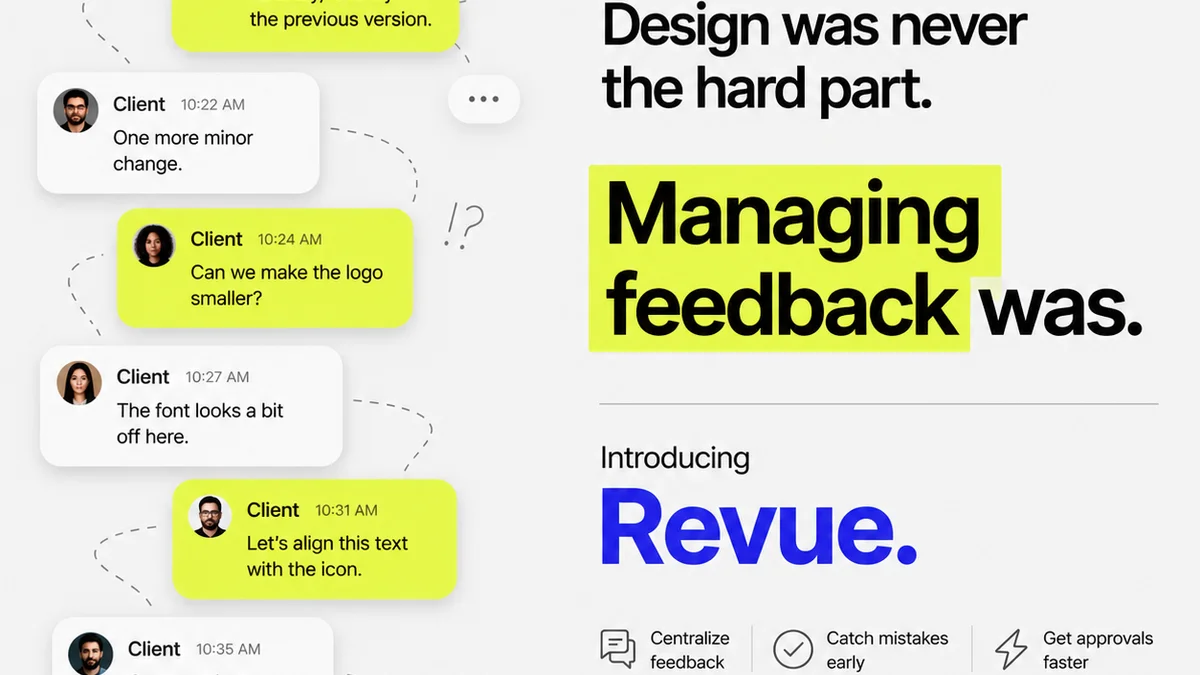
Revue is built for the realities of creative production. It helps agencies manage feedback, revisions, and approvals with clarity and control. This directly impacts your compliance strategy.
By centralizing client feedback and approvals, Revue creates a clear, documented history of decisions. This audit trail is invaluable for demonstrating due diligence and resolving disputes.
The platform’s version control and revision tracking ensure everyone is working from the latest approved assets. This minimizes the risk of using outdated or unauthorized materials.
Furthermore, the structured feedback process can incorporate specific compliance sign-off points. This embeds checks directly into the workflow, making them harder to miss.
Revue helps ensure that the final approved creative work meets all necessary requirements, whether they are brand guidelines, legal stipulations, or client-specific mandates.
6. Training and Documentation: The Cornerstones
Even the best systems need well-trained people and clear documentation. Compliance isn't a one-and-done training session.
Regular refreshers, scenario-based training, and accessible, up-to-date documentation are crucial. Your team needs to understand *why* certain rules exist, not just *what* they are.
Essential Documentation
- Compliance Policy Manual: A comprehensive guide to all relevant policies.
- Brand Guidelines: Clear rules on logo usage, color palettes, typography, etc.
- IP Usage Rights Register: Details on licenses for music, images, fonts, etc.
- Accessibility Standards Guide: How to create inclusive digital content.
- AI Usage Policy: Guidelines for ethical and compliant use of AI tools.
Make these resources easy to find and understand. Use clear language, examples, and visual aids.
7. Regular Audits and Continuous Improvement
A future-proof strategy isn't static. You need to regularly assess its effectiveness. Schedule periodic audits of your compliance processes.
Are your policies being followed? Are there gaps? Are new risks emerging?
Use the findings from these audits to refine your processes, update training, and adapt your technology. Compliance is an ongoing journey, not a destination.
Audit Focus Areas
- Review of recent projects for compliance adherence.
- Assessment of training effectiveness and knowledge retention.
- Testing of technology controls and data security.
- Analysis of incident reports and lessons learned.
- Monitoring of changes in regulations and industry standards.
This cycle of review and refinement ensures your strategy remains relevant and robust.
Final Thought
Is your creative compliance strategy a shield, or is it a springboard? If it’s just about avoiding trouble, you’re missing a massive opportunity. A truly future-proof compliance strategy builds trust, enhances efficiency, and elevates the quality of your creative output. It’s time to stop seeing compliance as a cost center and start treating it as a strategic imperative.
Frequently asked questions
What is the difference between reactive and proactive creative compliance?
Reactive compliance involves checking for errors at the end of the process, primarily to avoid immediate problems. Proactive compliance integrates compliance considerations into every stage of the creative workflow, aiming to prevent issues before they arise and using compliance as a driver for quality and trust.
How can technology help future-proof my agency's compliance?
Technology can automate compliance checks, centralize documentation and asset rights, provide clear audit trails for approvals, and ensure consistency across projects. Tools that manage feedback, revisions, and approvals, like Revue, are crucial for maintaining a robust and scalable compliance framework.
Why is building a culture of compliance important?
A strong compliance culture ensures that everyone in the agency understands and prioritizes compliance. It moves beyond a set of rules to a shared value, reducing errors, fostering accountability, and making compliance a natural part of daily operations rather than an add-on task.
What are the key areas to monitor for evolving compliance regulations?
Key areas include data privacy (GDPR, CCPA), intellectual property rights (licensing, AI-generated content), digital accessibility standards (WCAG), advertising standards (truthfulness, disclosures), and the ethical use of emerging technologies like AI.