Everyone talks about measuring creative ROI. They point to engagement rates, click-throughs, and social shares. None of that is wrong. But it’s incomplete.
The hard truth is that focusing solely on surface-level metrics leaves your creative ROI strategy vulnerable. It’s like building a house on sand. You need to look deeper, at the operational engine that powers your creative output and directly links it to business outcomes.
1. Beyond Vanity: Connecting Creative to Core Business Goals
The common assumption is that good creative, by definition, leads to good business results. That’s a leap of faith, not a strategy.
Your creative ROI strategy must be built on a foundation of clear, measurable business objectives. What does success *actually* look like for the business, and how does this specific creative campaign contribute to it?
Defining True North
Before a single pixel is designed or a word is written, ask:
- What problem is this creative solving for the business?
- What specific business KPI will this creative impact? (e.g., customer acquisition cost, customer lifetime value, market share, lead conversion rate)
- What is the acceptable cost to achieve this impact?
This isn't about stifling creativity. It’s about directing it where it matters most. It’s about ensuring your creative team’s efforts are aligned with the company’s financial and strategic direction.
Think about it: a campaign that gets millions of shares but doesn't move the needle on customer retention is technically a failure. Its ROI is negative, despite the apparent engagement.
2. The Operational Bottlenecks Killing Your Creative ROI
Many agencies and in-house teams operate with leaky workflows. This inefficiency is a silent killer of creative ROI.
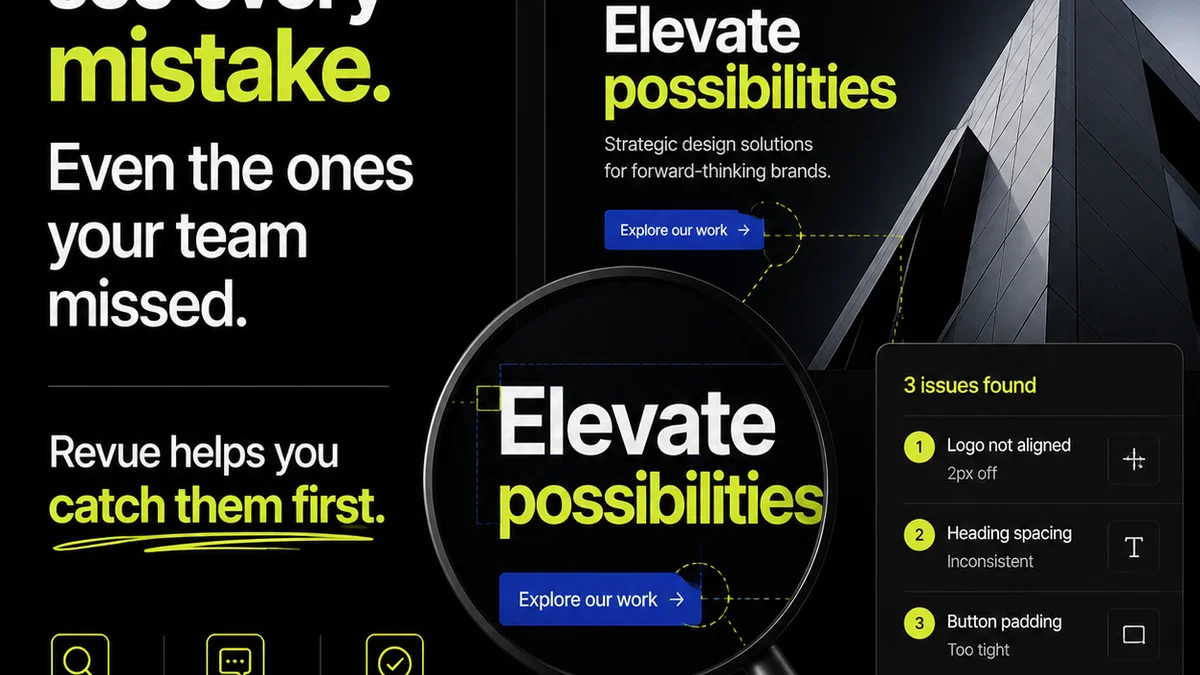
Where does the waste happen? Often, it’s in the feedback and revision loop.
The Feedback Fiasco
Consider the typical process:
- Client gives vague feedback via email.
- Designer makes changes, but the feedback was misinterpreted.
- Another round of emails, more confusion.
- Key stakeholders miss review deadlines, causing delays.
- Scope creep disguised as
Frequently asked questions
What are vanity metrics in creative ROI?
Vanity metrics are surface-level statistics that look good but don't necessarily correlate with actual business success. Examples include social media likes, shares, and follower counts, which may not translate into revenue or core business goals.
How can agencies improve their creative ROI?
Agencies can improve creative ROI by clearly defining business objectives before starting projects, streamlining feedback and revision processes, and accurately tracking the impact of creative work on key business KPIs beyond engagement rates.
What's the difference between creative output and business value?
Creative output refers to the tangible deliverables like designs, copy, or videos. Business value, on the other hand, is the measurable impact these deliverables have on the company's bottom line, such as increased sales, reduced costs, or improved customer loyalty.
How does centralized feedback help creative ROI?
Centralized feedback systems reduce miscommunication and delays by providing a single source of truth for all client input. This leads to faster revisions, fewer errors, and more efficient use of creative resources, directly boosting ROI.