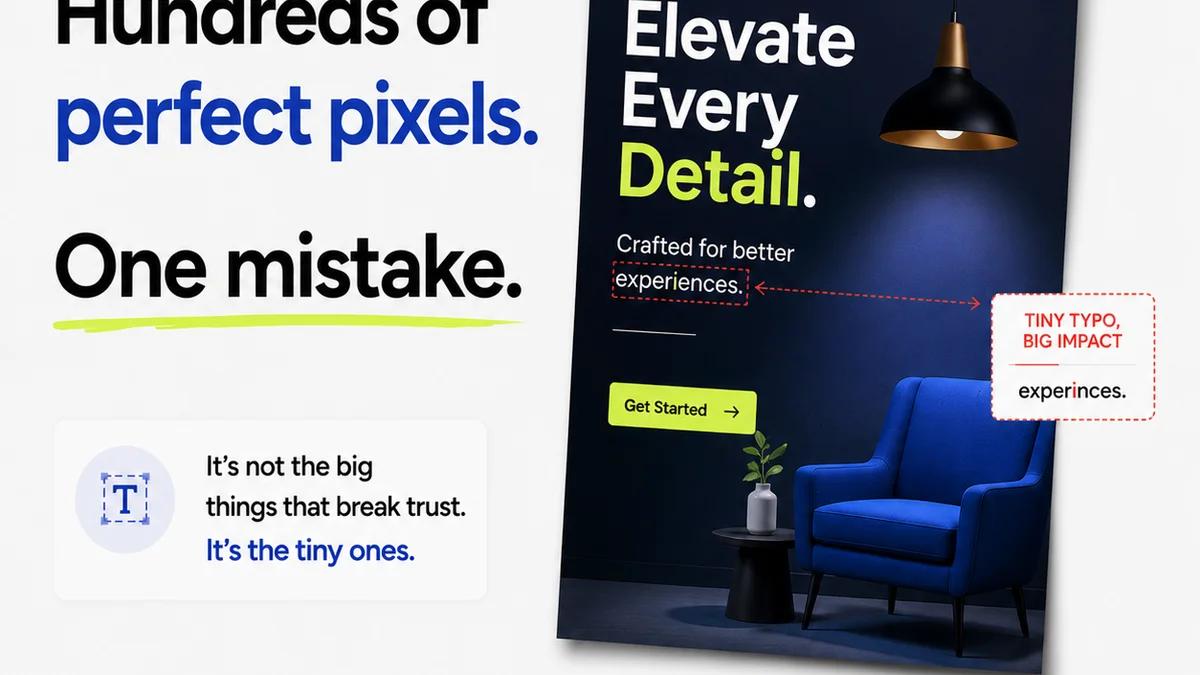
Everyone agrees that good design documentation is important. It’s the blueprint. It’s the record. It’s how we ensure everyone’s on the same page.
None of that is wrong. But it’s incomplete.
The deeper truth is that most design documentation strategies are built for today, not for tomorrow. They’re reactive, not proactive. They’re a chore, not a strategic asset.
This is how you end up with version control nightmares, endless client revision cycles, and missed project details that cost you time and money. You need a future-proof design documentation strategy.
1. The Illusion of 'Done'
What does 'done' really mean in design? It’s not just hitting 'export'. It’s a state of clarity and agreement that minimizes future questions and rework.
Many teams document *after* the fact. They export final assets and maybe write a brief summary. This is a fragile approach.
It assumes:
- No one will ever need to revisit a decision.
- All stakeholders will remember the context perfectly.
- Future changes won't break existing workflows.
- Clients won't ask for
Frequently asked questions
What is the primary goal of a future-proof design documentation strategy?
The primary goal is to create a system that not only records current decisions but also anticipates future needs, ensuring clarity, efficiency, and adaptability throughout the project lifecycle and beyond. It aims to minimize rework, facilitate onboarding, and maintain a clear historical record.
How does centralized feedback impact design documentation?
Centralized feedback ensures that all client input, discussions, and approvals are captured in one place. This creates a single source of truth for design decisions, making it easier to document the 'why' behind choices and reducing the risk of conflicting information or missed revisions.
What are the key components of effective design documentation?
Key components include clear project briefs, wireframes and mockups with annotations, style guides, asset specifications, client feedback logs, revision histories, and final handover documentation. A future-proof strategy integrates these components seamlessly.
How can I ensure my design documentation is accessible to the whole team?
Use cloud-based platforms and ensure your documentation is organized logically with clear naming conventions. Implement a system where team members can easily search, access, and contribute to documentation. Regular training and clear guidelines on usage are also crucial.
What's the difference between traditional and future-proof documentation?
Traditional documentation is often static, created post-project, and difficult to update or access. Future-proof documentation is dynamic, integrated into the workflow, continuously updated, easily accessible, and designed to support ongoing project evolution and team collaboration.