Everyone knows that revisions eat into project timelines. It’s a given in creative work. Clients want things tweaked, tweaked again, and then tweaked some more. It’s easy to assume this is just part of the cost of doing business, a necessary evil to achieve client satisfaction. None of that is wrong. But it’s incomplete.
The hard truth? The real cost of endless revisions isn’t just the extra hours logged. It’s a systemic drain on profitability, team morale, and your agency’s reputation. It’s a slow bleed that can cripple even the most talented teams.
1. The Obvious Cost: Billable Hours vs. Profit
Let's start with the easy math. Every hour spent on a revision is an hour that could have been spent on a new project or a more profitable task. When projects spiral into endless revision cycles, those hours add up. You might be billing for them, but are you truly profiting?
Often, the scope creep disguised as 'minor tweaks' means you're delivering more value than initially agreed upon, without a corresponding increase in budget. This erodes your profit margins. It’s not about charging more; it’s about delivering within scope and budget.
Scope Creep vs. Iterative Design
There's a critical difference between genuine, iterative design refinement and unchecked scope creep. Iterative design involves planned, strategic adjustments based on clear feedback within defined stages. Scope creep is an uncontrolled expansion of project requirements, often disguised as small, easy changes.
The former is healthy. The latter is a profit killer.
2. The Hidden Cost: Team Morale and Burnout
Ask any creative director or agency owner about the impact of endless revisions. Beyond the spreadsheets, you’ll hear about the toll on their teams. Frustration builds when work is constantly sent back with vague or contradictory feedback.
Creative professionals thrive on clear direction and seeing projects through to a satisfying conclusion. When that’s constantly derailed, motivation plummets. This isn't just about unhappy designers; it's about burnout.
- Constant rework leads to creative fatigue.
- Vague feedback feels like a personal attack.
- Projects linger, preventing the team from moving on to exciting new work.
- A reputation for endless revisions can deter top talent.
Burnout isn't just a buzzword; it's a direct threat to your agency's long-term health and ability to produce high-quality work.
3. The Intangible Cost: Client Relationships
You might think appeasing a client with endless revisions builds goodwill. Sometimes, it does. But more often, it fosters an unhealthy dynamic. Clients may start to expect unlimited revisions, seeing it as a negotiation tactic rather than a sign of a healthy project process.
This can lead to:
- Clients who are never truly satisfied, always finding something new to change.
- A perception that your agency is inefficient or indecisive.
- Strained communication as frustration mounts on both sides.
- Damage to your agency's reputation, both with the client and potentially within their network.
A strong client relationship is built on mutual respect and clear expectations, not on an endless cycle of concessions.
4. The Operational Cost: Inefficiency and Bottlenecks
Endless revisions create significant operational friction. Think about the wasted time:
- Project managers juggling shifting priorities.
- Account managers trying to interpret unclear feedback.
- Designers and developers redoing work that was already approved.
- QA teams having to re-test features or designs multiple times.
This inefficiency isn't isolated. It creates bottlenecks that slow down the entire agency. Projects get delayed, impacting cash flow and the ability to onboard new clients.
It’s a drag on productivity that affects every department.
5. The Root Causes: Why Do Revisions Go Endless?
Understanding why this happens is the first step to fixing it. It's rarely malicious. Usually, it's a symptom of underlying process gaps.
Lack of Clear Briefing
If the initial project brief is vague, incomplete, or doesn't align with the client's true goals, revisions are almost guaranteed. The client might not even realize their initial request was misaligned until they see the first deliverable.
Poor Feedback Mechanisms
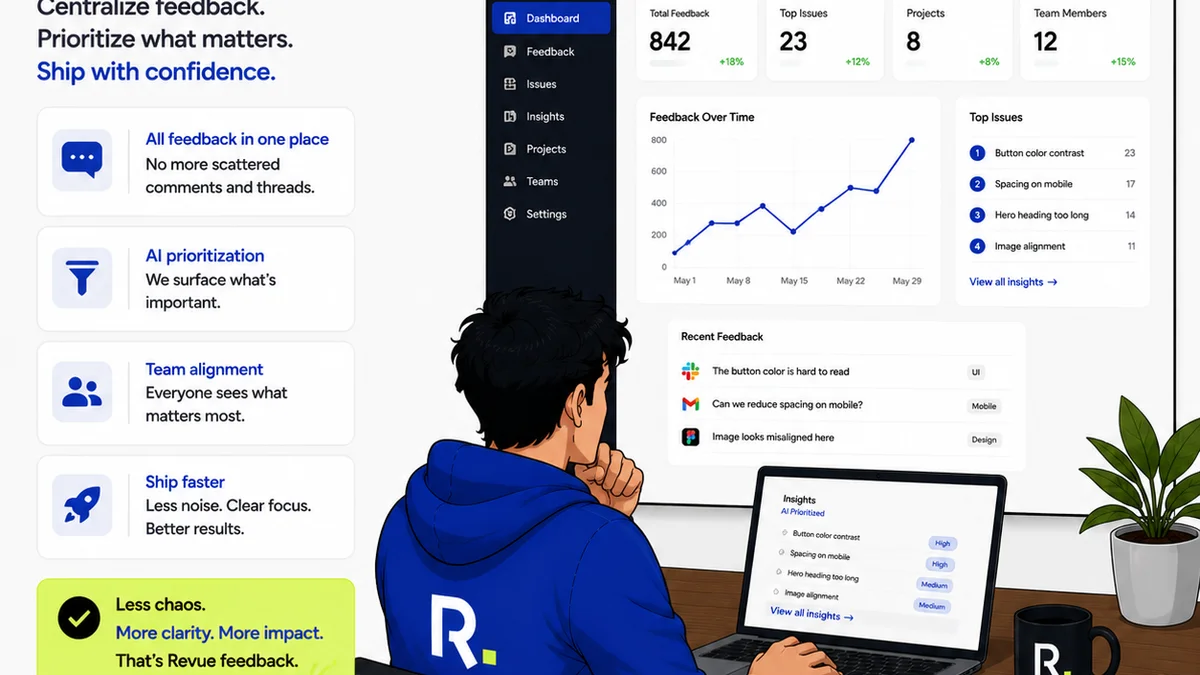
How is feedback collected? Is it scattered across emails, Slack messages, and verbal conversations? This disorganization makes it hard to track changes, identify contradictions, and ensure all feedback is addressed. It also makes it difficult to define what constitutes the
Frequently asked questions
What is the biggest hidden cost of endless revisions?
The biggest hidden cost is often the impact on team morale and the risk of burnout. While extra hours are a direct financial drain, a demotivated and exhausted team cannot produce high-quality work consistently, leading to further project issues and a decline in agency reputation.
How can I get clearer feedback from clients?
Implement structured feedback processes. Use tools that allow for annotated comments directly on the creative work. Schedule dedicated feedback sessions with clear agendas and objectives. Ensure the initial brief clearly outlines what success looks like and the criteria for approval.
When should I push back on revision requests?
Push back when revision requests fall outside the agreed-upon scope, are contradictory, or are based on vague, subjective criteria without clear justification. It's about protecting the project's integrity and your agency's resources, not about refusing client input.
Can technology help reduce endless revisions?
Yes, technology is crucial. Centralized feedback platforms, like Revue, consolidate all comments, track revisions, and provide clear audit trails. This transparency helps manage expectations, reduces miscommunication, and ensures everyone is working from the same, up-to-date information.