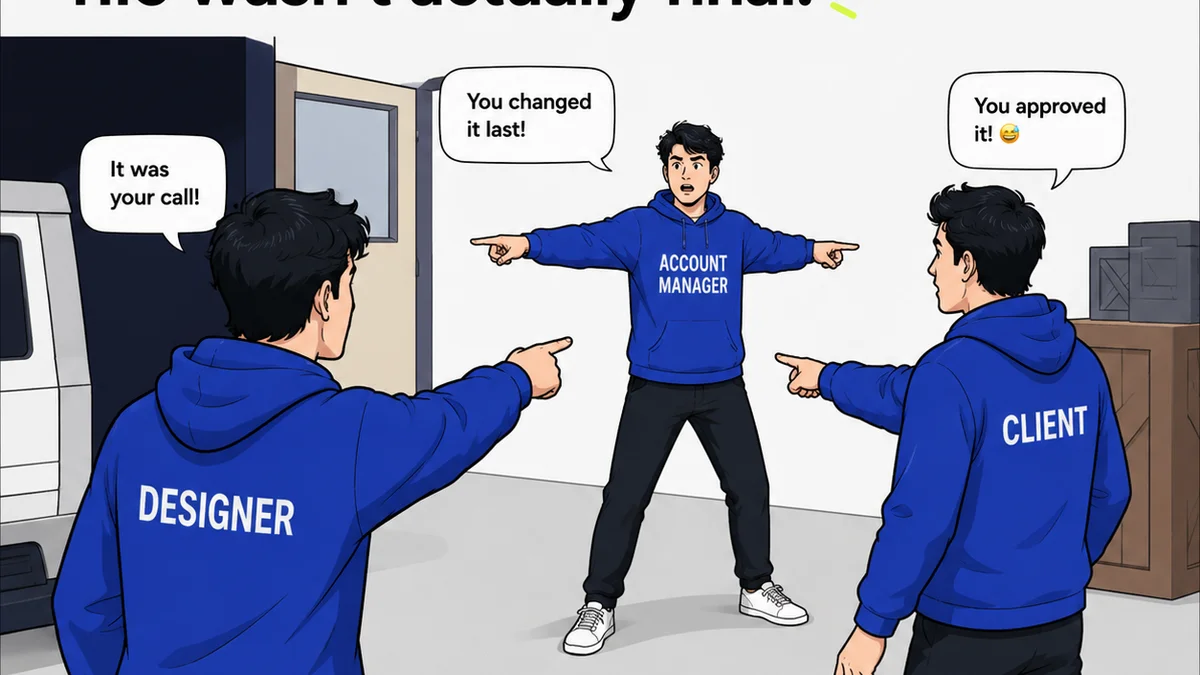
Everyone knows endless client revisions are a pain. They eat up billable hours, delay launches, and generally make life harder. That’s the obvious stuff.
But it’s not the whole story. The real damage isn’t just the time spent. It’s the hidden costs that are quietly crippling your agency.
1. The Profit Drain Nobody Tracks
Sure, you’re logging hours. But are you tracking profit per revision cycle? Most agencies don’t. They see revisions as a necessary evil, a cost of doing business that just… happens.
The hard truth: Uncontrolled revisions are a direct hit to your bottom line. Every extra round, every minor tweak that spirals into a scope creep, directly erodes your profit margin. You’re not just working for free; you’re actively losing money on projects that go off the rails.
Scope Creep Isn’t Accidental
It starts small. A minor suggestion here, a slight change there. Without a clear process for defining scope and managing changes, these small requests snowball.
It’s easy to blame the client. But often, the problem is internal. Lack of clear brief sign-off, ambiguous feedback loops, and no formal process for change requests all contribute.
The Opportunity Cost
Every hour your team spends on scope creep is an hour they *aren't* spending on profitable new business, strategic development, or client work that actually *is* profitable.
Think about it:
- What else could that designer have been working on?
- What new business could that account manager have pursued?
- What internal process could have been improved with that senior team member's time?
2. The Morale Killer
Your team is creative. They want to do great work. Endless, aimless revisions kill that drive.
When feedback is vague, contradictory, or seems to come out of nowhere, it’s demoralizing. It feels like you can never get it right.
The Vague Feedback Loop
“Make it pop.” “I don’t love it, but I don’t know why.” “Can we try something different?” Sound familiar?
This isn’t feedback; it’s a cry for help. And it’s your team’s job to decipher it, wasting more time and energy.
The Burnout Factor
Projects that drag on with no clear end in sight, driven by constant, unmanaged feedback, lead to burnout. Your best people start looking for the exit.
This isn’t just about being tired. It’s about the slow death of passion and creativity.
3. The Client Relationship Erosion
You might think the client is happy because they’re getting endless revisions. Wrong.
Clients hire you for your expertise. They expect you to guide them. When you let revisions spiral, you signal a lack of control and confidence.
Loss of Trust
If a client sees your team struggling to nail down a deliverable, or if they feel like they’re constantly “managing up” to get what they need, trust erodes. They start to question your competence.
The
Frequently asked questions
What is scope creep in client revisions?
Scope creep occurs when a project's requirements or deliverables expand beyond the originally agreed-upon scope, often due to uncontrolled client revisions that add new features or significant changes without a corresponding adjustment to budget or timeline.
How can I prevent vague client feedback?
Establish clear feedback guidelines upfront. Use structured feedback forms, require clients to be specific about what they want changed and why, and ensure all feedback is consolidated in one place. Train your team to ask clarifying questions.
What are the signs of excessive revisions?
Signs include projects consistently exceeding estimated timelines, frequent requests for changes outside the original brief, client dissatisfaction despite multiple rounds of revisions, and team burnout or frustration specifically related to feedback cycles.
How does centralized feedback help?
Centralized feedback systems ensure all comments, approvals, and revision requests are logged in a single, accessible location. This provides a clear audit trail, prevents miscommunication, and makes it easier to track the evolution of feedback and identify scope creep.