Everyone talks about client revisions. They’re a given, right? A necessary evil. You get feedback, you make changes, you get paid. Simple.
None of that is wrong. But it’s incomplete. It misses the real drain on your agency or creative team. The hidden cost of endless revisions isn't just the extra hours billed. It's the opportunity cost, the talent drain, and the slow erosion of client relationships.
By 2026, this isn't just a nuisance; it's a significant operational drag that impacts profitability and team morale. We need to look beyond the surface.
1. The Productivity Black Hole
The most obvious cost is time. But it’s not just about the extra hours. It’s about the *quality* of that time. When revisions spiral, your team isn't just working on the next iteration. They’re often:
- Context-switching constantly, losing focus and momentum.
- Revisiting decisions that should have been final.
- Working on tasks that don’t add real value or move the project forward strategically.
This isn't efficient. It's a death by a thousand tiny cuts to your team's output. Projects that should take weeks bleed into months, consuming resources that could be allocated to new, profitable work.
The Ripple Effect
Lost productivity isn't confined to the project team. It impacts account managers who are constantly managing client expectations, and leadership who are trying to forecast revenue and resource allocation. Everyone is pulled into the vortex.
Consider a design project. An initial concept is approved. Then, a week later, a stakeholder who wasn't involved in the approval process requests a significant change. The designer has to stop their next task, re-familiarize themselves with the old brief, implement the change, and then try to pick up where they left off. This cycle repeats.
2. The Erosion of Trust and Morale
Clients aren’t the only ones who get frustrated by endless revisions. Your team does, too. When they feel their expertise is being ignored or that the client can’t make a decision, morale plummets.
Client-Side Fatigue
Clients also experience revision fatigue. They start to doubt the agency’s ability to deliver, or worse, they feel like they’re nickel-and-dimed for every minor tweak. This can lead to:
- Hesitation in providing feedback, leading to bigger issues later.
- Increased scrutiny on invoices.
- A breakdown in the collaborative spirit.
Talent Drain
Creative professionals thrive on challenge and progress. Stagnant projects with endless, often arbitrary, revisions are demotivating. This can lead to burnout and, eventually, talented individuals seeking opportunities elsewhere. Replacing that talent is expensive and time-consuming.
It’s a vicious cycle. Poor revision management leads to unhappy clients and burnt-out staff. Unhappy staff can lead to poorer quality work, which leads to more revisions. And around we go.
3. The Financial Strain
Beyond the direct cost of labor for revisions, there are significant indirect financial impacts:
- Delayed Invoicing: Projects that drag on mean delayed payments, impacting cash flow.
- Reduced Capacity: Teams tied up in endless revisions can’t take on new, profitable work.
- Scope Creep Costs: Uncontrolled scope creep, often masked as revisions, can turn profitable projects into money pits.
- Client Churn: Ultimately, a poor revision experience can lead to clients leaving, taking their future revenue with them.
Some agencies try to combat this by having strict revision limits in their contracts. That’s a start, but it doesn’t address the root cause: a lack of clarity and structured feedback loops.
4. The Missed Strategic Opportunities
Perhaps the most insidious cost is what you *don’t* do because you’re stuck in revision hell. Every hour spent on rework is an hour not spent on:
- Developing innovative new strategies for clients.
- Proactively identifying new business opportunities.
- Investing in professional development for your team.
- Improving your own internal processes and tools.
Creative agencies are expected to be forward-thinking. But when you’re constantly looking backward to fix yesterday’s decisions, you can’t move forward. This strategic paralysis is a slow death for any agency aiming to lead, not follow.
Where Revue Fits In
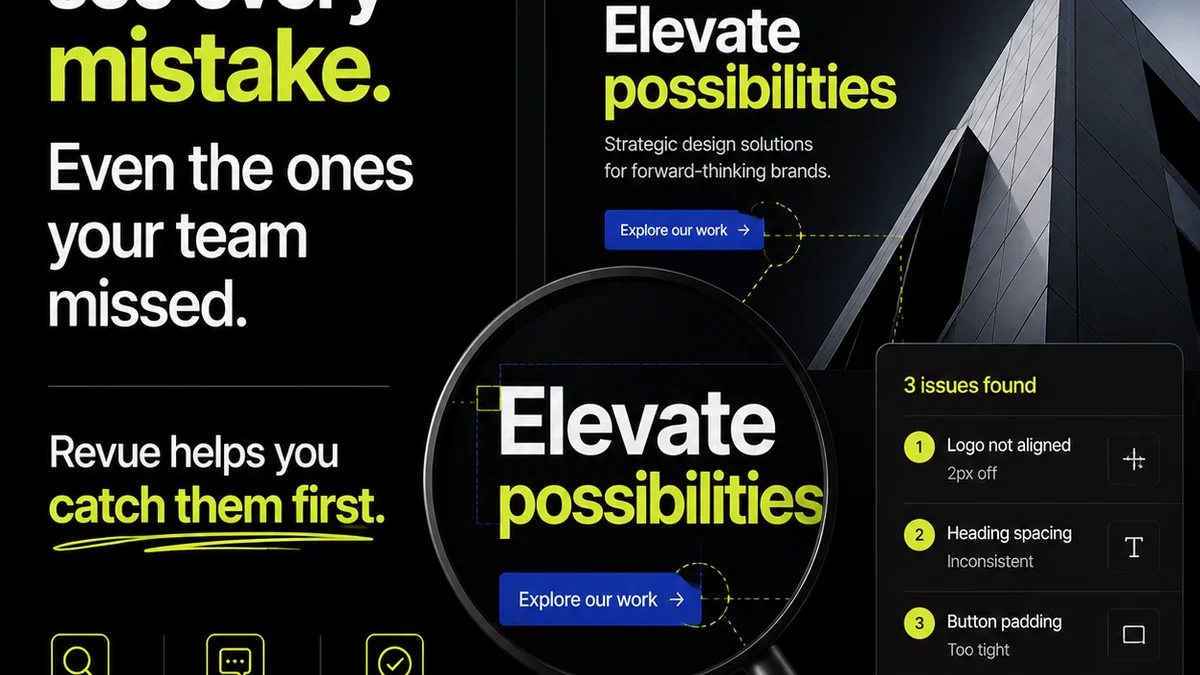
Managing client feedback and revisions effectively isn't about avoiding them. It's about structuring the process so it's efficient, clear, and adds value, rather than detracting from it. This is where a centralized platform like Revue becomes critical for agencies and in-house teams.
Revue provides a single source of truth for all creative assets and client feedback. This means:
- Centralized Feedback: All comments, annotations, and approvals live in one place, linked directly to the asset being reviewed. No more digging through email chains or Slack messages.
- Clear Revision Tracking: See exactly what has been changed, by whom, and when. This transparency helps manage expectations and prevents 'scope creep' disguised as simple feedback.
- Streamlined Approvals: Formalize the approval process, ensuring all necessary stakeholders sign off before moving to the next stage. This reduces the likelihood of late-stage feedback from uninvolved parties.
- Quality Control: Ensure that revisions meet project objectives and brand guidelines before they are presented.
By bringing structure and clarity to the feedback and revision cycle, Revue helps teams reduce the time spent on unproductive back-and-forth, improve client satisfaction, and free up valuable resources for strategic work.
Final Thought
The true cost of endless revisions isn't measured in billable hours alone. It's in the lost potential, the strained relationships, and the dimming of your team's creative spark. By 2026, agencies that master revision management won't just be more profitable; they'll be the ones attracting the best talent and the most exciting projects. Are you managing revisions, or are revisions managing you?
Frequently asked questions
What is the primary hidden cost of endless revisions?
The primary hidden cost is opportunity cost: the lost productivity, the inability to take on new profitable projects, and the potential drain of talent due to low morale and burnout.
How do endless revisions impact client relationships?
Endless revisions can erode trust, leading to client fatigue, frustration, and doubt about the agency's capabilities. This can result in increased scrutiny, difficulty in feedback, and ultimately, client churn.
Can technology like Revue prevent all revisions?
No, revisions are a normal part of the creative process. However, platforms like Revue help manage, track, and streamline feedback and approvals, significantly reducing unproductive back-and-forth and the 'endless' nature of revisions.
What are signs that my revision process is costing too much?
Signs include projects consistently running over schedule, team burnout and high turnover, clients becoming difficult or disengaging, and an inability to pursue new business opportunities due to resource constraints.