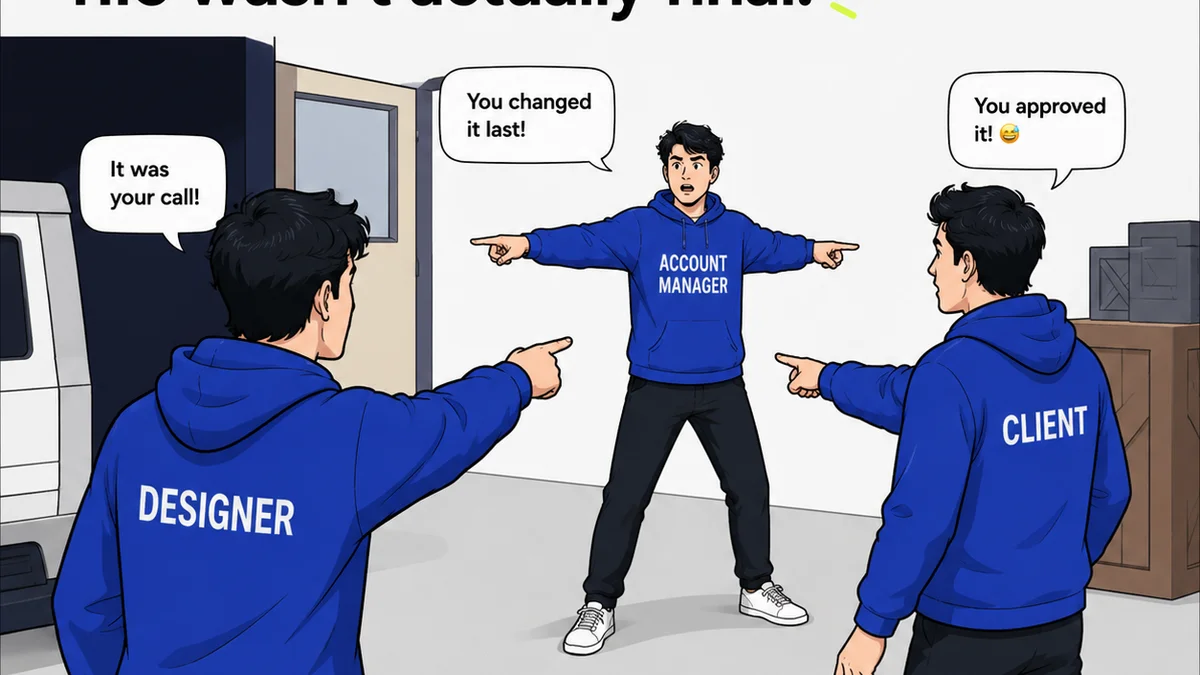
Everyone wants to move faster. Especially in creative agencies and in-house teams. The pressure to deliver is immense. So, it’s tempting to cut corners. To shave off a step here or there.
Design Quality Assurance (QA) is often the first to go. It feels like a bottleneck. An unnecessary gate. Why waste precious hours checking work that the designer already knows is good?
None of that is wrong. But it’s incomplete.
The hard truth is that skipping design QA doesn’t save you time. It just defers the cost. And often, it makes that cost significantly higher.
1. The Illusion of Speed
You push a design out the door. It looks *mostly* right. The client is happy, for now. You’ve “won” the sprint. But what happens next?
A small error. A missed pixel. A typo in a crucial place. A brand guideline violation that no one caught.
These aren’t just aesthetic blips. They erode trust. They signal sloppiness. They force rework that’s far more expensive than if it had been caught internally.
Think about it:
- A minor typo discovered by the client means a new round of approvals.
- An incorrect asset version means a re-export and re-upload.
- A visual inconsistency that breaks brand rules means a potentially significant redesign.
This isn't speed. This is just chaos in disguise.
2. The Ripple Effect of Errors
Design QA isn't just about checking pixels. It's about ensuring the design functions as intended across all touchpoints and meets all strategic requirements.
When QA is skipped, errors can cascade:
Technical Glitches
A design might look fine on your screen, but what about different browsers? Different devices? Different screen resolutions? What if the interactive elements aren't coded correctly?
Skipping QA means these issues are discovered by end-users. That’s the worst possible time.
Brand Inconsistencies
Is the logo the right size? Is the color palette strictly adhered to? Are the typography rules followed? These details matter for brand recognition and perception.
When these slip through, your client’s brand looks less professional. Less cohesive. Less valuable.
User Experience Failures
A button might be misplaced. A form field might be unclear. A navigation element might be confusing. These aren't just design flaws; they are UX failures.
These directly impact conversion rates, customer satisfaction, and overall business goals. The cost here is measured in lost revenue.
3. The Cost of Rework and Reputation Damage
Let’s be blunt: Rework is expensive. Not just in billable hours, but in:
- Lost Productivity: Designers and developers are pulled off new tasks to fix old ones.
- Client Frustration: Every revision cycle breeds impatience and can strain the client relationship.
- Damaged Reputation: A pattern of errors makes your agency look unprofessional and unreliable.
- Missed Deadlines: Unexpected rework invariably pushes back delivery dates.
The irony? The time “saved” by skipping QA is almost always dwarhed by the time spent fixing the resulting errors. And the emotional toll on your team and your clients is immeasurable.
Your reputation is built on delivering high-quality work, consistently. A single, preventable error can chip away at that foundation.
4. The True Definition of
Frequently asked questions
What is design QA?
Design Quality Assurance (QA) is the systematic process of reviewing creative work to ensure it meets specified standards, brand guidelines, technical requirements, and strategic objectives before it's delivered to the client or released to the public.
How much time does design QA typically take?
The time investment for design QA varies based on project complexity and scope. However, it's generally a fraction of the time that would be spent on rework if errors are discovered later in the process or by the client.
Can design QA be automated?
Some aspects of design QA can be automated, particularly for repetitive technical checks like code validation or accessibility scans. However, nuanced elements like brand consistency, user experience, and strategic alignment still require human review.
What are the benefits of implementing a robust design QA process?
A robust design QA process leads to higher quality deliverables, fewer client revisions, reduced rework costs, improved client satisfaction, enhanced team efficiency, and a stronger agency reputation.