Everyone talks about building a “high-performing creative team.” They’ll tell you it’s about hiring the best talent, fostering a fun culture, and giving people free reign. None of that is wrong. But it’s incomplete.
The hard truth? A truly high-performing creative team isn’t built on a wish list of personality types or a ping-pong table. It’s built on predictable, repeatable systems that handle the noise so the talent can focus on the signal.
It’s about creating an environment where great work doesn't just happen; it’s engineered to happen, consistently.
1. Talent is Overrated (Sort Of)
This sounds like heresy, right? You need great people. Of course, you do. But focusing solely on individual brilliance is a trap.
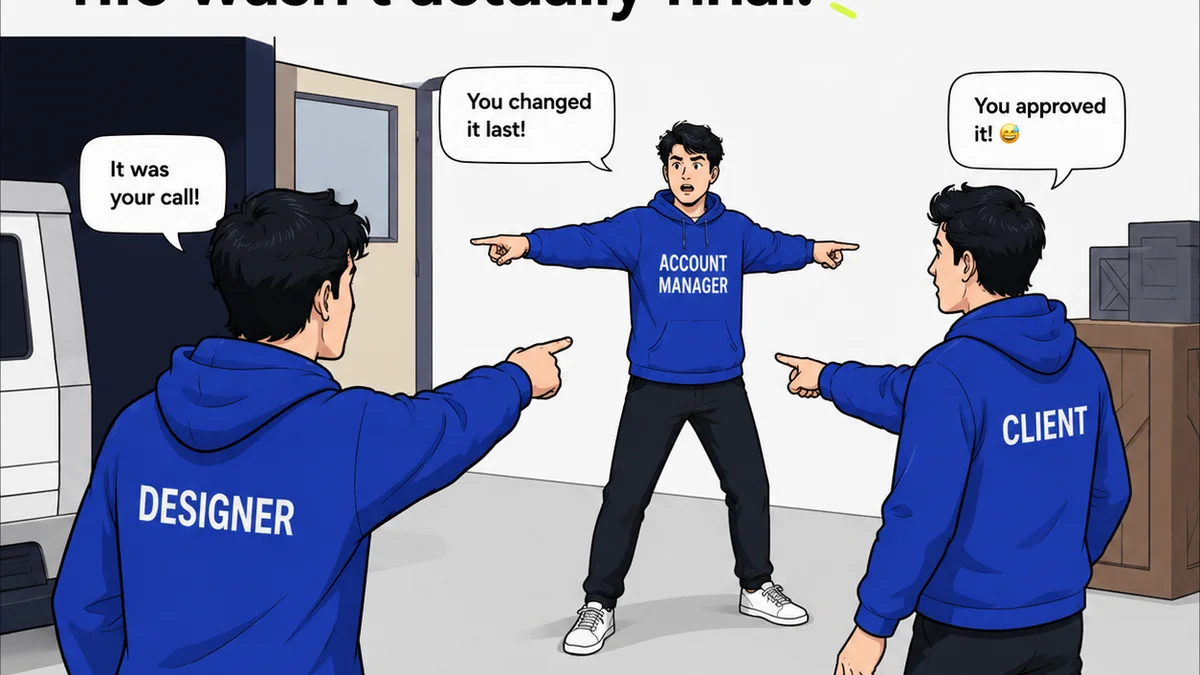
Think about it. You hire a superstar designer. They’re amazing. But if their workflow is chaotic, if feedback is vague and buried in email chains, if revisions are endless and undocumented – how much of that brilliance actually makes it to the final output?
A single superstar can be bottlenecked by a broken system. A solid, well-supported team, however, can consistently punch above its weight.
The Myth of the Lone Genius
Creative work isn't a solo act, even for individual contributors. It’s a collaborative dance. When you prioritize individual
Frequently asked questions
What's the biggest mistake agencies make when building creative teams?
Focusing solely on hiring 'rockstar' talent without building robust operational systems to support and channel that talent. Great people in a chaotic process produce mediocre results.
How important is culture in a high-performing creative team?
Culture is vital, but it shouldn't be a substitute for process. A positive culture thrives when people feel supported by clear workflows, efficient feedback loops, and manageable workloads. That's what allows creativity to flourish without burnout.
Can a smaller agency build a high-performing team?
Absolutely. Smaller agencies often have an advantage. With fewer layers, it's easier to implement and refine efficient systems. The key is discipline in process, not team size.
How does client feedback impact team performance?
Unstructured or unclear client feedback is a major performance killer. Centralizing feedback and making it actionable within a clear system ensures the team works efficiently and avoids costly rework.