Everyone thinks scaling a creative agency means landing bigger clients, hiring more people, and expanding into new markets. That’s all part of the picture, sure.
But it’s not the whole story. It’s like saying a skyscraper is built by just adding more floors.
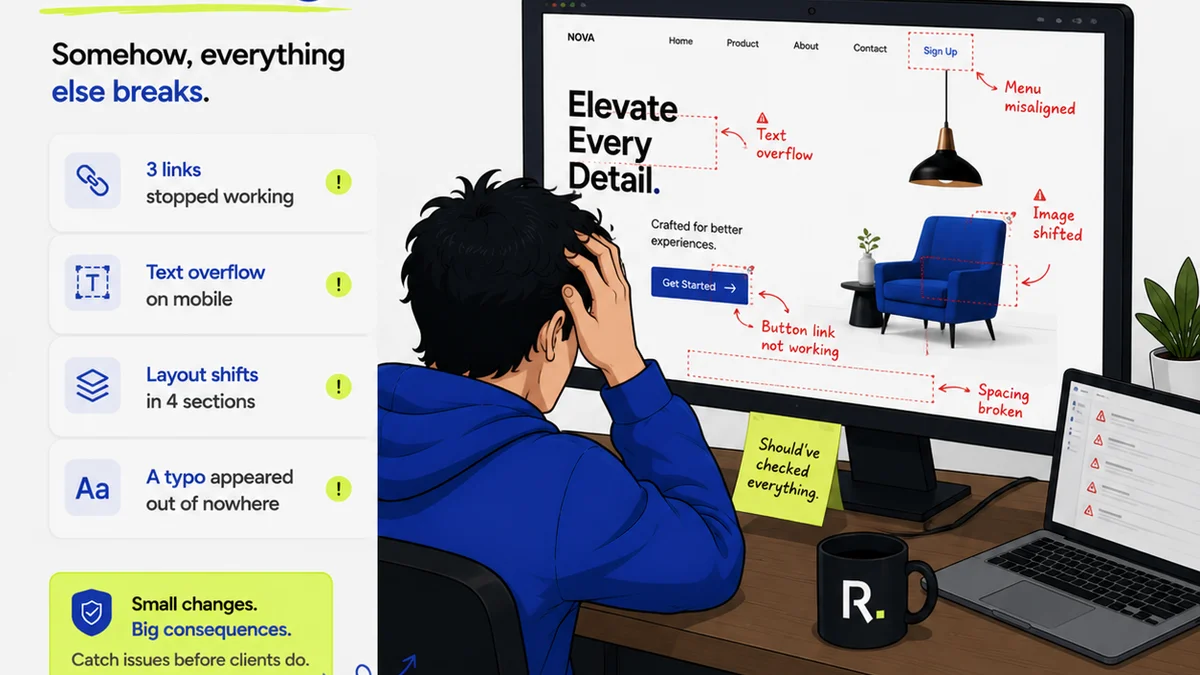
The hard truth about scaling a creative agency is that growth amplifies existing weaknesses. If your processes are messy, your client communication is chaotic, or your project management is shaky, more business will just make those problems bigger, faster. Scaling isn't about doing more of the same; it's about building a system that can handle more without collapsing.
1. Nail Your Profitability Metrics
You can't scale what you don't understand. Agencies often focus on billable hours or revenue, but that’s a shallow view. True scaling requires deep insight into profitability.
This means tracking metrics beyond just top-line numbers. You need to know the true cost of every project, every client relationship, and every service you offer.
Understand True Project Cost
It’s not just salaries. Factor in overhead, software, tools, and the time spent on non-billable tasks like internal meetings, admin, and sales.
If a project looks profitable on paper based on billable hours, but eats up too much internal resource or requires excessive revisions, it might be a net loss. This is a critical insight for sustainable scaling.
Client Profitability Analysis
Not all clients are created equal. Some are strategic, some are high-maintenance, and some are simply not profitable despite their size. Regularly analyze which clients bring in the most profit, not just revenue.
This analysis informs your sales strategy. You can then focus efforts on attracting clients similar to your most profitable ones, rather than just chasing any business.
Service Line Profitability
Are you making money on your design services? Your content strategy? Your web development? If you offer multiple services, you need to know which are your profit drivers and which are dragging you down.
This helps you decide where to invest more resources and which services might need a price adjustment or even elimination.
2. Standardize Your Core Processes
Creative work is inherently fluid, but the *business* of creative work doesn't have to be. Scaling requires standardization. This isn't about stifling creativity; it's about creating a predictable framework so creativity can thrive within it.
Think of it as building the highway before you put the race cars on it.
Onboarding New Clients
Every client, regardless of size, should go through a consistent onboarding process. This sets expectations, gathers necessary assets and information, and establishes communication protocols.
- Kick-off meeting agenda.
- Welcome packet with agency info and key contacts.
- Required client documentation checklist.
- Clear scope of work sign-off procedure.
Project Management Workflow
Define clear stages for every project: discovery, strategy, design, development, QA, launch, post-launch. What are the deliverables at each stage? Who is responsible?
Use project management tools effectively. Ensure everyone on the team understands how to use them and adheres to the defined workflows.
Internal Review and QA
Before client feedback, there should be internal checkpoints. This catches errors, ensures brand consistency, and confirms the work meets project objectives. Standardized checklists are invaluable here.
For example, a design QA checklist might include:
- Brand guidelines adherence.
- Accessibility checks (e.g., color contrast).
- Usability review.
- Content accuracy and completeness.
- Technical specifications met.
Communication Protocols
How should internal teams communicate? How should client communication be handled? Define preferred channels and response times.
This reduces ambiguity and ensures information doesn't get lost, especially as teams grow and more people are involved.
3. Build a Scalable Team Structure
Your team is your engine. As you scale, your structure needs to support more horsepower without overheating.
Roles and Responsibilities
Clearly defined roles prevent overlap and ensure accountability. As you grow, you'll need to specialize roles rather than having people wear too many hats.
A common mistake is hiring generalists for too long. Specialists, even if fewer in number initially, can drive higher quality and efficiency as you scale.
Talent Acquisition and Retention
Scaling means hiring. Develop a consistent, efficient hiring process that attracts the right talent. Equally important is retaining that talent.
This involves competitive compensation, professional development opportunities, and a positive work culture. High turnover is a major drag on scaling.
Empowerment and Autonomy
As you grow, you can't be involved in every detail. Empower your team leads and senior staff to make decisions. Provide clear guidelines and then trust them to execute.
Micromanagement kills morale and stifles growth. Delegation is key to scaling.
4. Master Client Management at Scale
Happy clients lead to repeat business and referrals, which are essential for scaling. But managing more clients means managing more relationships, expectations, and feedback loops.
Structured Feedback Loops
Client feedback is critical, but it can also derail projects if not managed properly. Implement clear processes for how and when feedback is collected and addressed.
- Designated points of contact for feedback.
- Scheduled review meetings.
- Clear guidelines on what constitutes a revision versus a scope change.
This prevents endless back-and-forth and keeps projects on track.
Proactive Communication
Don't wait for clients to chase you. Keep them informed about progress, potential roadblocks, and next steps. Regular, transparent updates build trust.
Even when there's bad news, delivering it proactively with a proposed solution is far better than silence.
Managing Expectations
This starts from day one. Clearly define project scope, timelines, deliverables, and what success looks like. Document everything and get sign-off.
Ambiguity here is a direct path to client dissatisfaction and scope creep, both of which hinder scaling.
5. Invest in the Right Technology
Manual processes and disconnected tools are bottlenecks. Technology is an accelerator for scaling creative agencies.
Centralized Project Management
A single source of truth for all projects is non-negotiable. This includes task management, timelines, asset storage, and communication logs.
This visibility is crucial for understanding project status, resource allocation, and potential bottlenecks across multiple projects simultaneously.
Streamlined Feedback and Approvals
The back-and-forth of client feedback is notorious for causing delays and miscommunication. Tools designed for visual feedback and clear approval workflows are essential.
This ensures feedback is contextual, actionable, and trackable, reducing the time spent deciphering emails or hunting for comments.
Financial Management Tools
Robust accounting and invoicing software is vital. As you grow, manual invoicing and expense tracking become unsustainable and error-prone.
Automating these processes frees up valuable time and provides better financial oversight.
Where Revue Fits In
Scaling a creative agency means taming the chaos of client feedback and approvals. If your current system involves endless email chains, scattered Slack messages, and lost feedback, you're building on shaky ground.
Revue provides a centralized platform for managing creative work. It allows teams to consolidate client feedback directly on designs, videos, and documents. This ensures every comment is contextual and visible to the right people.
With clear revision tracking and approval workflows, you eliminate ambiguity and speed up the sign-off process. This operational efficiency is what allows agencies to handle more projects and clients without sacrificing quality or sanity. It's about building a predictable, repeatable system for client collaboration.
6. Foster a Culture of Continuous Improvement
Scaling isn't a one-time event; it's an ongoing process. Your agency needs to be built to adapt and evolve.
Regular Retrospectives
After major projects or at regular intervals, hold team retrospectives. What went well? What could have been better? What will we change?
This iterative approach helps identify and fix issues before they become systemic problems.
Embrace Data
Use the data you're collecting from your profitability metrics, project management tools, and client feedback to make informed decisions. Don't rely on gut feelings alone.
Data provides objective insights into what's working and what's not, guiding your scaling strategy.
Adaptability
The market changes, client needs evolve, and technology advances. Your agency must be agile enough to adapt. This means being open to new processes, tools, and even business models.
A rigid agency will eventually be left behind.
Final Thought
Scaling a creative agency successfully is less about chasing growth and more about building resilience. It's about creating an operational backbone so strong that growth becomes a welcome, manageable consequence, not a terrifying threat.
Are you building a system that supports your agency's future, or are you just adding more weight to a structure that’s already creaking?
Frequently asked questions
What is the biggest mistake agencies make when trying to scale?
The biggest mistake is scaling without first fixing fundamental operational weaknesses. Growth amplifies existing problems, so if your processes are messy or your communication is chaotic, more business will just make those issues worse and harder to manage.
How important are profitability metrics for scaling?
Extremely important. You can't scale what you don't understand. Tracking true project cost, client profitability, and service line profitability ensures you're growing sustainably and focusing on the right business, not just revenue.
Does standardizing processes stifle creativity in an agency?
No, it doesn't have to. Standardization applies to the business operations around creative work (like project management, feedback loops, and approvals), not the creative output itself. A solid framework allows creativity to thrive within defined boundaries and expectations.
What role does technology play in scaling a creative agency?
Technology is a critical enabler. Tools for centralized project management, streamlined client feedback and approvals, and robust financial management automate tasks, improve efficiency, reduce errors, and provide essential visibility, all of which are vital for handling increased volume.
How can I ensure client management remains effective as my agency grows?
Focus on structured feedback loops, proactive communication, and rigorous expectation management. Clearly defining scope, timelines, and deliverables from the outset, and maintaining consistent, transparent updates, are key to keeping clients happy and projects on track as you scale.