Everyone’s talking about AI generating creative assets. It’s fast. It’s cheap. It’s… good enough?
That’s the assumption, right? Feed a prompt into an AI tool, get a batch of images or copy, and you’re basically done. It feels like the end of the creative process.
None of that is wrong. But it’s incomplete.
The Hard Truth: AI is a Tool, Not the Artist
AI creative tools are powerful assistants. They excel at rapid ideation, generating variations, and handling repetitive tasks. But they lack the nuanced understanding, strategic intent, and emotional intelligence that define truly effective creative work.
Human review isn’t a bottleneck; it’s the crucial filter that elevates AI output from raw material to finished, on-brand, and strategically sound creative assets.
1. Strategic Alignment: Does It Serve the Goal?
AI doesn’t understand your client’s business objectives, target audience psychology, or the specific campaign goals. It can’t connect the dots between a visual and a conversion metric.
Brand Strategy and Messaging
Does the AI-generated asset actually align with the established brand guidelines, tone of voice, and core messaging? AI might produce something visually appealing, but if it misrepresents the brand, it’s a failure.
- Is the brand logo used correctly (if applicable)?
- Does the visual style match established brand aesthetics?
- Does the copy or imagery convey the intended message accurately?
- Does it resonate with the target audience's values and expectations?
Campaign Objectives
Every creative asset should serve a purpose within a larger campaign. AI doesn’t know if this image is for brand awareness, lead generation, or direct sales. That’s your job to define and check.
- Does this asset directly support the primary campaign goal?
- Does it fit within the broader narrative of the campaign?
- Is the call to action (if any) clear and appropriate for the objective?
2. Creative Quality and Originality: Beyond the Generic
AI models are trained on vast datasets, which can lead to outputs that feel derivative or generic. True creative breakthroughs require human insight and an eye for what’s novel.
Visual Execution
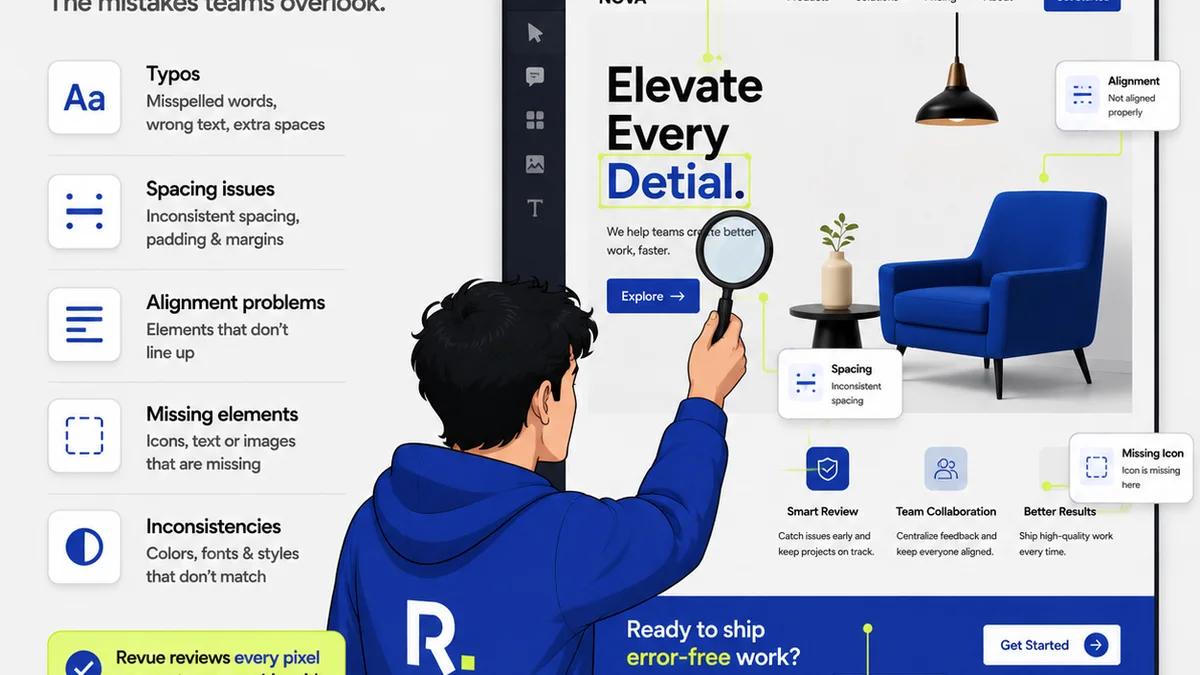
While AI can produce technically proficient images, they often lack a certain polish or unique artistic touch. Look for inconsistencies, awkward compositions, or elements that feel
Frequently asked questions
Why is human review still necessary for AI-generated creative?
AI lacks strategic understanding, brand nuance, and emotional intelligence. Human review ensures creative aligns with goals, brand identity, and audience needs, preventing generic or off-brand outputs.
What are the key areas to check when reviewing AI creative?
Key areas include strategic alignment (brand, messaging, goals), creative quality (visuals, copy, originality), technical execution (format, accessibility, consistency), and ethical considerations (bias, copyright).
How can agencies manage the review process for AI-generated content?
Use a centralized platform for feedback and approvals, establish clear review criteria, and integrate human oversight at critical stages. This ensures efficient and effective quality control.
Can AI creative be truly original?
AI can generate novel combinations of existing elements, but true originality often stems from unique human insights, experiences, and artistic vision that AI currently cannot replicate. Human curation is key to identifying and refining original concepts.