Everyone thinks they know what illustration costs. They see a price tag and assume it's based on hours or complexity. None of that is wrong. But it’s incomplete.
The hard truth is that illustration pricing is a complex dance between artist skill, project scope, usage rights, and market demand. What seems like a simple image can carry a price tag that reflects years of training, a highly specialized niche, and the potential reach of its application.
1. The Artist's Value: Beyond the Brushstroke
You're not just paying for a drawing. You're investing in the artist's unique style, their years of honing their craft, and their ability to translate abstract ideas into compelling visuals. A seasoned illustrator with a distinctive voice commands higher rates than a beginner.
Think about it: Would you pay the same for a quick sketch as you would for a meticulously rendered piece with a signature style? Of course not. The same applies to illustration.
The Skill Premium
Mastery takes time. Illustrators spend years developing:
- Technical proficiency in various media (digital, traditional).
- A unique artistic style that sets them apart.
- An understanding of visual storytelling and communication.
- Knowledge of design principles, color theory, and composition.
The Portfolio Factor
An artist's portfolio is their resume. A strong, diverse portfolio showcasing successful projects for reputable clients indicates reliability and proven quality. This experience is factored into their pricing.
2. Project Scope: More Than Just Pixels
The complexity and requirements of the illustration itself are primary cost drivers. A simple icon is vastly different from a detailed editorial spread or a character design for an animated series.
Consider the variables:
Complexity and Detail
How much time and effort will it take to create?
- Line art vs. Full color: Simple line drawings are quicker.
- Level of detail: Intricate patterns, textures, and shading add hours.
- Number of elements: A single object versus a complex scene with multiple characters.
- Style requirements: Mimicking a specific existing style can be more time-consuming than working in a personal style.
Deliverables
What exactly do you need the artist to produce?
- File formats: Vector (SVG, AI) vs. Raster (JPG, PNG, TIFF) have different creation processes.
- Resolution and size: High-resolution files for print are more demanding than web-optimized images.
- Number of variations: Do you need multiple versions or poses of the same illustration?
3. Usage Rights: Where the Value Multiplies
This is often the most misunderstood aspect of illustration costs. You're not just buying the artwork; you're buying the right to use it. The broader the usage, the higher the fee.
Licensing is key.
Types of Usage
Where and how will the illustration be seen?
- Web-only: Typically the lowest cost.
- Print: Brochures, posters, packaging.
- Advertising: National campaigns, paid social media ads.
- Merchandise: T-shirts, mugs, other physical products.
- Editorial: Magazines, blogs, news articles.
- Internal use: Company presentations, intranets.
Duration and Exclusivity
How long will you use it, and will anyone else? Exclusive rights, where you are the only one allowed to use the image, command a significant premium.
A one-year, web-only license will cost far less than a perpetual, worldwide, exclusive license for all media.
4. Market Factors and Artist Tiers
Illustrator pricing isn't arbitrary. It's influenced by the market and the artist's standing within it.
Different tiers of illustrators exist, each with corresponding pricing structures.
Tiered Pricing
- Emerging Artists: Often have lower rates, building their portfolio and client base. Great for startups or projects with tighter budgets.
- Mid-Career Professionals: Established artists with a solid track record, consistent quality, and a good reputation. Offer a balance of skill and value.
- Industry Leaders/Celebrity Illustrators: Highly sought-after artists with national or international recognition. Their rates reflect their brand value and demand.
Geographic Considerations
While the internet has globalized creative work, some clients still factor in the artist's location and the general cost of living in that region, though this is becoming less of a differentiator.
5. The Pricing Models: How You'll Be Billed
Understanding how illustrators charge can help you budget and compare quotes. Common models include:
Project-Based Flat Fees
A single price for the entire project, agreed upon upfront. This is the most common and often preferred method, offering budget certainty.
Hourly Rates
You pay for the actual time spent. Best for projects with undefined scope or ongoing work where exact hours are unpredictable. Requires trust and clear communication.
Day Rates
Similar to hourly, but billed in full-day increments. Often used for on-site work or projects requiring dedicated, uninterrupted time.
Retainers
A recurring fee for ongoing availability or a set amount of work per month. Ideal for clients with consistent needs, ensuring priority access to the artist.
6. Getting Accurate Quotes: What to Prepare
To get the most accurate illustration cost estimate, you need to provide clear, detailed information. Vague requests lead to vague (and often underestimated) quotes.
Be prepared to share:
- Project Brief: A clear description of the illustration's purpose, target audience, and desired mood/tone.
- Visual References: Examples of styles, colors, or existing illustrations you like (or dislike).
- Scope of Work: Detailed description of what needs to be illustrated, including complexity and elements.
- Deliverables: Specific file formats, resolutions, and sizes required.
- Usage Rights: Exactly how, where, and for how long the illustration will be used.
- Timeline: Your desired completion date and any critical deadlines.
- Budget Range (Optional but helpful): Providing a ballpark figure can help illustrators tailor their proposal.
The more information you provide, the more precise the quote will be.
Where Revue Fits In
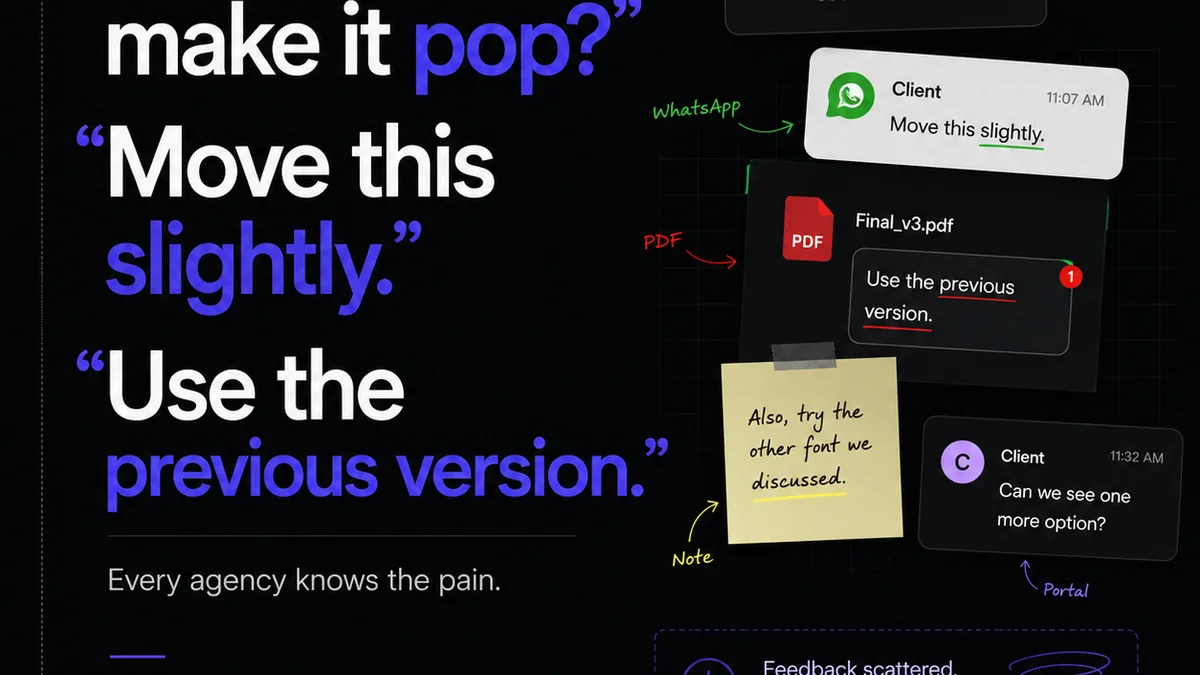
Managing creative projects, especially those involving external artists, can be chaotic. Keeping track of briefs, feedback rounds, revisions, and approvals across multiple channels is a recipe for missed details and budget overruns.
Revue streamlines this entire process. Centralizing client feedback ensures everyone is on the same page, reducing misinterpretations that lead to costly revisions. Visibility into revision history and approval status means you can track progress and manage timelines more effectively, keeping illustration projects on budget and on schedule.
Final Thought
Illustration is an investment, not just an expense. When you understand the factors that contribute to its cost, you can approach budgeting with confidence. Are you ready to invest wisely in visuals that truly elevate your brand?
Frequently asked questions
What is the average cost of an illustration?
The cost of an illustration varies widely, typically ranging from a few hundred dollars for simple icons or basic spot illustrations to several thousand dollars for complex, detailed pieces or custom character designs. Factors like artist experience, complexity, and usage rights significantly impact the final price.
How do usage rights affect illustration costs?
Usage rights are a major factor. The more widely an illustration is used (e.g., national advertising, merchandise, global campaigns) and the longer the duration of use, the higher the licensing fee will be. Exclusive rights also command a premium over non-exclusive or limited-use licenses.
What's the difference between project-based and hourly pricing for illustrations?
Project-based pricing offers a fixed cost for the entire project, agreed upon upfront, providing budget certainty. Hourly pricing charges based on the actual time spent, which is suitable for projects with undefined scopes or ongoing work but requires trust and clear communication to manage costs.
How can I get an accurate quote for an illustration?
To get an accurate quote, provide a detailed brief including the illustration's purpose, desired style, complexity, specific deliverables (file formats, resolution), intended usage rights, and your timeline. The more information you provide, the more precise the estimate will be.