Illustration is art. It’s beautiful. It’s creative. It’s a way to make a brand’s message pop.
None of that is wrong. But it’s incomplete.
The deeper truth? Illustration is a powerful, often underestimated, operational tool. It’s not just about making things look good; it’s about making them work better. For agencies and in-house teams, understanding illustration's strategic role can unlock new levels of client satisfaction and project success.
1. The Strategic Role of Illustration
Think of illustration as a visual problem-solver. It can simplify complex ideas, evoke specific emotions, create a unique brand identity, or even improve user experience. It’s a versatile medium that offers solutions where photography or standard graphic design might fall short.
Clarifying Complex Concepts
Some ideas are hard to explain with words alone. Diagrams, infographics, and custom illustrations can break down jargon and make abstract concepts tangible. This is crucial for client education and internal communication.
Building Unique Brand Identity
In a crowded market, a distinctive illustration style can make a brand instantly recognizable. It moves beyond generic stock imagery to create something truly ownable. Consider the consistent use of a specific illustration style across all marketing materials. It builds recognition and trust.
Enhancing User Experience (UX)
Illustrations aren't just for marketing. They can guide users through an app, explain features, or add personality to digital products. Think about onboarding flows or empty states in an application. Well-placed illustrations make the experience more engaging and less frustrating. This aligns with principles of good usability.
Driving Emotional Connection
Art evokes emotion. Illustrations, with their inherent artistic quality, can tap into a target audience's feelings more effectively than other visual mediums. A warm, friendly illustration can make a brand feel more approachable. A bold, dynamic one can convey energy and excitement.
2. When to Choose Illustration Over Other Visuals
The decision to use illustration isn't always about aesthetics. It’s often a strategic choice based on project goals and desired outcomes.
When Photography Isn’t Enough
Photography captures reality. But what if your subject is abstract, conceptual, or simply doesn’t exist? Or what if you need to depict a process, a system, or a hypothetical scenario? Illustration excels here.
- Explaining technical processes.
- Visualizing abstract concepts like 'growth' or 'connection'.
- Creating characters or mascots for a brand.
- Depicting scenarios that are difficult or impossible to photograph.
When You Need a Distinctive Voice
Stock photos can make a project feel generic. A custom illustration style, however, provides a unique visual fingerprint. This is vital for brands aiming to stand out and build a memorable identity.
This goes beyond just a logo. It’s about the entire visual language of the brand. A consistent illustration style across a website, social media, and print collateral reinforces brand personality.
When Simplicity and Clarity Are Paramount
Complex data or instructions can be overwhelming. Well-designed illustrations can simplify these elements, making them easier to understand at a glance. Think of instructional diagrams or simplified UI elements.
When Budget or Logistics Are Constraints
Sometimes, a full photoshoot with models, locations, and props is prohibitively expensive or logistically challenging. Illustration can offer a cost-effective and flexible alternative, allowing for precise control over the final visual.
3. The Illustration Workflow: From Brief to Final Asset
Treating illustration as a strategic asset means having a clear workflow. This ensures quality, consistency, and timely delivery.
The Creative Brief: Foundation of Success
Just like any other creative project, a strong brief is essential. It needs to go beyond 'make a picture of X'.
- Objective: What should this illustration *achieve*? (e.g., explain a feature, evoke trust, simplify a process).
- Audience: Who are we trying to reach? What resonates with them?
- Tone & Style: What is the desired mood? (e.g., playful, professional, technical, whimsical). Provide mood boards or examples.
- Key Message: What is the core idea the illustration must convey?
- Deliverables: What file formats, sizes, and resolutions are needed?
Concept Development & Sketching
This is where ideas take shape. The illustrator will typically provide initial sketches or concepts based on the brief. This stage is crucial for alignment.
Multiple concepts might be presented. This allows the client or team to choose the direction that best meets the objectives.
Refinement & Iteration
Once a concept is approved, the illustration is refined. This involves detailing, color application, and ensuring it meets technical specifications. This is where the bulk of the revision process happens.
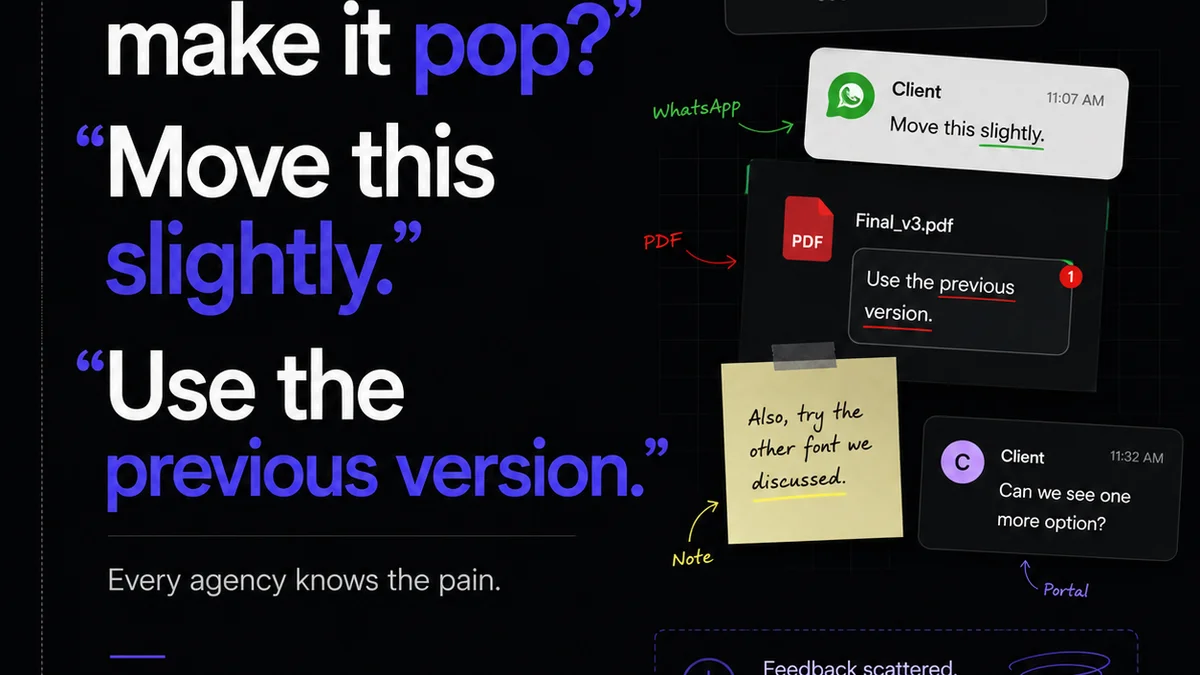
Clear feedback is vital here. Vague comments like 'make it better' are unhelpful. Specific feedback on composition, color, or messaging is key.
Final Delivery
The final artwork is delivered in the agreed-upon formats. This might include vector files (like .AI or .SVG) for scalability, raster files (.PNG, .JPG) for web use, or specific formats for print. Ensuring proper file naming conventions and organization is part of good practice.
4. Common Pitfalls and How to Avoid Them
Even with the best intentions, illustration projects can go sideways. Understanding common issues helps prevent them.
- Vague Briefs: Leads to misinterpretation and wasted effort. Fix: Invest time in a detailed, objective-driven brief.
- Scope Creep: Adding requirements mid-project without adjusting timelines or budget. Fix: Clearly define scope upfront and manage changes formally.
- Unclear Feedback: Results in endless revisions and frustration. Fix: Provide specific, actionable feedback tied to the brief's objectives.
- Style Mismatches: Illustrations that don't align with the brand's overall aesthetic. Fix: Establish and reference a clear style guide or mood board early on.
- Technical Issues: Incorrect file formats, resolutions, or color modes. Fix: Define technical requirements in the brief and confirm with the illustrator.
5. Where Revue Fits In
Managing creative projects, especially those involving detailed visual assets like illustrations, demands clear communication and organized workflows. This is where a tool like Revue becomes invaluable.
Centralizing client feedback on illustration concepts and progress ensures everyone is on the same page. No more hunting through email chains or Slack messages for that one crucial comment.
Revision tracking provides a clear history of changes, making it easy to see what was requested, what was implemented, and why. This transparency is critical for managing client expectations and understanding project evolution.
Approval workflows streamline the sign-off process. Knowing exactly when an illustration is approved, and by whom, eliminates bottlenecks and keeps the project moving forward efficiently. It also provides a clear audit trail for quality checks.
6. The Future of Illustration in Creative Work
AI tools are emerging that can generate images. This is changing the landscape. But it doesn't replace the strategic thinking and nuanced execution of a skilled human illustrator.
AI can be a tool for ideation or generating basic assets. However, translating a complex brand strategy into a unique, emotionally resonant visual language still requires human creativity and understanding.
The illustrator’s role is evolving. It’s becoming less about just drawing and more about visual strategy, concept development, and deep understanding of client needs. The ability to collaborate effectively, interpret briefs, and iterate based on strategic goals will remain paramount.
Final Thought
Illustration is far more than decoration. It’s a powerful tool for communication, problem-solving, and brand differentiation. Are you leveraging its full strategic potential in your agency or team?
Frequently asked questions
What is the difference between illustration and graphic design?
Graphic design focuses on visual communication using typography, imagery, and layout to convey a message, often for marketing or branding. Illustration is a specific art form where an artist creates images, often custom-drawn, to depict a subject, concept, or story. While they overlap, illustration is a tool that graphic designers often employ.
When should an agency use custom illustration instead of stock photos?
Custom illustration is ideal when you need a unique brand identity, need to explain abstract concepts, visualize data, create characters, or when photography is logistically difficult or too expensive. It offers greater control over style, message, and emotional tone.
How can illustration improve user experience (UX)?
Illustrations can make interfaces more engaging and intuitive. They can guide users through complex processes, clarify instructions, provide feedback (like success or error messages), and add personality to digital products, making them more user-friendly and less intimidating.
What are the key stages in an illustration project workflow?
A typical workflow includes: 1. Creative Briefing (defining objectives, audience, style, message). 2. Concept Development & Sketching. 3. Refinement & Iteration (incorporating feedback). 4. Final Delivery (providing assets in required formats).