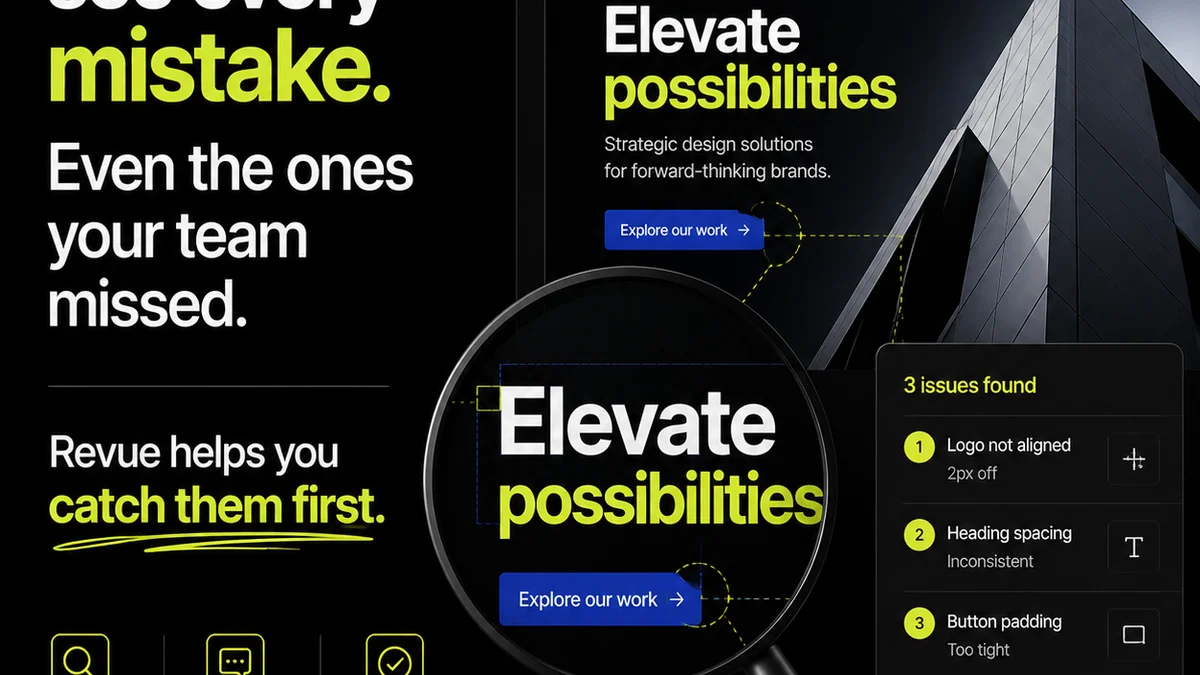
Everyone thinks the path to higher agency profits is simple: charge more. Raise your rates. Bill by the hour. That’s the conventional wisdom. And it’s not entirely wrong.
Higher prices *can* lead to higher revenue. But it’s a blunt instrument. And often, it’s not the real problem.
The hard truth? You’re likely leaving money on the table. Not because your prices are too low, but because your processes are inefficient.
This isn’t about working harder. It’s about working smarter. Specifically, it’s about shoring up the operational leaks that bleed profitability before the invoice even gets sent.
1. The True Cost of 'Free' Revisions
You quote a project fee. Then the revisions start. And they don’t stop. We’ve all been there. Clients asking for “one last tweak” that turns into a full redesign. Or subjective feedback that spirals into endless back-and-forth.
This is where most agencies hemorrhage profit. You’re doing work that wasn’t scoped, wasn’t quoted, and wasn’t planned for. It eats into your margins on projects you thought were locked in.
Assumption: Clients always know what they want. Reality: Often, they don’t. They’re reacting to what they see, and their vision evolves. Your job is to manage that evolution efficiently, not get swallowed by it.
The Scope Creep Black Hole
Scope creep isn’t just about adding features. It's about the *time* spent on unbilled, unplanned work. This includes:
- Endless rounds of subjective feedback
- Misinterpreted briefs leading to rework
- Unclear client decision-making processes
- Internal miscommunication about client requests
- The time spent chasing down approvals
Every hour spent on unbillable revisions is an hour you could have spent on profitable work, or even just… not working.
Fixing the Revisions Cycle
It starts with a crystal-clear scope of work. But that’s just the beginning. You need a system for managing feedback.
- Define Revision Rounds Upfront: Clearly state in your contract how many rounds of revisions are included.
- Set Clear Deliverables: What exactly are you delivering at each stage?
- Establish Feedback Deadlines: Give clients a timeframe to provide consolidated feedback.
- Use a Centralized Platform: Avoid email chains and scattered comments. A single source of truth for feedback is non-negotiable.
- Charge for Out-of-Scope Work: Have a clear process for identifying and quoting additional work.
This isn’t about being difficult. It’s about professional project management. It respects your time and your client’s budget.
2. The Hidden Cost of Inefficient Communication
How much time does your team spend digging through email threads? Searching for that one crucial piece of feedback from three weeks ago? Or trying to decipher conflicting comments from different stakeholders?
This is dead time. It’s unproductive. And it’s a huge drain on your profitability.
Assumption: Email is a sufficient communication tool. Reality: For complex creative projects, it’s a disaster waiting to happen.
The Email Black Hole
Email is asynchronous. It’s easily lost. It lacks context. And it’s terrible for tracking decisions. This leads to:
- Lost feedback leading to incorrect revisions
- Misunderstandings due to lack of visual context
- Delays in getting approvals
- Team members working on outdated versions of assets
- Wasted time trying to find information
Think about the cumulative hours lost across your team every week. That’s real money evaporating.
Streamlining Communication Channels
You need a better way. A way to keep all project-related communication in one place, tied directly to the creative assets themselves.
- Centralized Comments: Allow clients and internal teams to comment directly on specific parts of an image, video, or document.
- Version Control: Ensure everyone is looking at and commenting on the latest version.
- Clear Audit Trails: Track who said what, when, and what decisions were made.
- Notifications: Keep everyone informed of new comments or approvals without overwhelming inboxes.
When communication is efficient, your team moves faster. Projects get done on time. And your profit margins improve, not because you charged more, but because you wasted less.
3. The Approval Bottleneck: Killing Productivity
The approval process. It’s the gatekeeper to moving forward. And it’s often the slowest, most frustrating part of any project.
Clients are busy. Internal stakeholders are busy. Waiting for sign-off means your team is idle. Or worse, they’re working on something else and have to context-switch back, losing valuable momentum.
Assumption: Waiting for approval is just part of the job. Reality: A broken approval process actively damages your bottom line.
Why Approvals Get Stuck
Common culprits include:
- Lack of clear decision-makers
- Difficulty in providing consolidated feedback
- Technical barriers to viewing assets
- Procrastination or competing priorities on the client side
- No clear deadline or expectation for sign-off
Every day an asset is stuck in approval limbo is a day you’re not billing for active work. It extends project timelines, increases overhead, and delays your payment.
Unblocking the Approval Chain
Make it as easy as possible for clients and stakeholders to review and approve work.
- Define Approvers Clearly: Identify all necessary sign-off parties upfront.
- Set Clear Deadlines for Approval: Communicate the expected turnaround time.
- Provide Easy-to-Use Review Tools: Use platforms that allow for clear annotations and simple click-to-approve functionality.
- Automate Reminders: Gently nudge approvers when deadlines are near or have passed.
- Offer Different Approval Methods: For some clients, a quick video call to walk through assets might be more effective than a formal sign-off.
Faster approvals mean faster project completion. Faster project completion means more capacity for new work and quicker revenue realization.
4. Quality Control: The Unseen Profit Killer
You’ve finished the project. It’s gone through revisions. It’s been approved. Time to deliver. But wait. Did anyone actually *check* it?
A missed typo. A broken link. A file in the wrong format. These small errors might seem minor, but they can have outsized impacts.
Assumption: The client will catch any mistakes. Reality: The client *expects you* to catch any mistakes. And fixing them post-delivery eats into your profit.
The Cost of Errors
These aren’t just embarrassing. They are costly:
- Rework that must be done on spec
- Damage to your agency’s reputation
- Client dissatisfaction and potential loss of future business
- Time spent by account managers or senior staff fixing junior errors
A robust quality control process isn’t an optional extra. It’s a profit-protection mechanism.
Building a QC Checklist
Implement a standardized QC process for every deliverable:
- Develop a Master Checklist: Tailor it to your typical project types (web, print, video, etc.).
- Assign a Dedicated QC Reviewer: This should ideally be someone not directly involved in the creation of the asset.
- Checklist Items Might Include:
- File naming conventions
- Correct file formats and resolutions
- All links are functional
- No typos or grammatical errors
- Brand guidelines adherence
- Accessibility standards met (where applicable)
- All client-specific requests fulfilled
- Formal Sign-off: The QC reviewer must formally sign off before delivery.
A small investment in QC saves significant time and money down the line. It’s proactive, not reactive.
Where Revue Fits In
All these operational drains – scope creep, communication chaos, approval delays, and QC gaps – stem from a lack of centralized control and visibility.
This is exactly why tools like Revue exist. Imagine a single platform where:
- Client feedback is consolidated, contextual, and actionable, directly on the asset.
- Revision rounds are tracked, and out-of-scope requests are flagged automatically.
- Approvals are streamlined with clear status tracking and automated reminders.
- Your team has a clear audit trail of all communication and decisions, reducing misinterpretations.
- Quality control can be integrated into the workflow, ensuring checks are done before delivery.
Revue isn’t magic. It’s a system that enforces better processes. It brings clarity to chaos, turning operational inefficiencies into profit drivers.
Final Thought
Chasing higher prices is a race to the top that few agencies can win consistently. The real, sustainable path to improved profitability isn’t about charging more. It’s about spending less of your time and resources on wasted effort.
Are you managing your agency’s workflow, or is it managing you?
Frequently asked questions
How can I prevent scope creep without alienating clients?
Clearly define the scope of work in your contract, including the number of revision rounds. Use a centralized platform to manage feedback, making it easy to identify and discuss out-of-scope requests separately, with a clear process for quoting additional work.
What's the biggest hidden cost in agency operations?
Inefficient communication and endless, unmanaged revision cycles are often the biggest hidden costs. Time spent digging through emails, deciphering conflicting feedback, or performing unbilled rework directly eats into your profit margins.
How can I speed up client approvals?
Make the approval process as simple and clear as possible. Define all approvers upfront, set clear deadlines, use tools that allow for direct annotations on assets, and implement automated reminders. Reducing bottlenecks in approvals means faster project completion and payment.
Is it really possible to improve profit margins without raising prices?
Absolutely. By optimizing internal processes, reducing wasted time on rework and miscommunication, streamlining feedback loops, and implementing robust quality control, you can significantly increase efficiency and profitability without touching your rate card.