Everyone wants more design output. The easy answer? Hire more designers. More hands, more work, right?
None of that is wrong. But it’s incomplete.
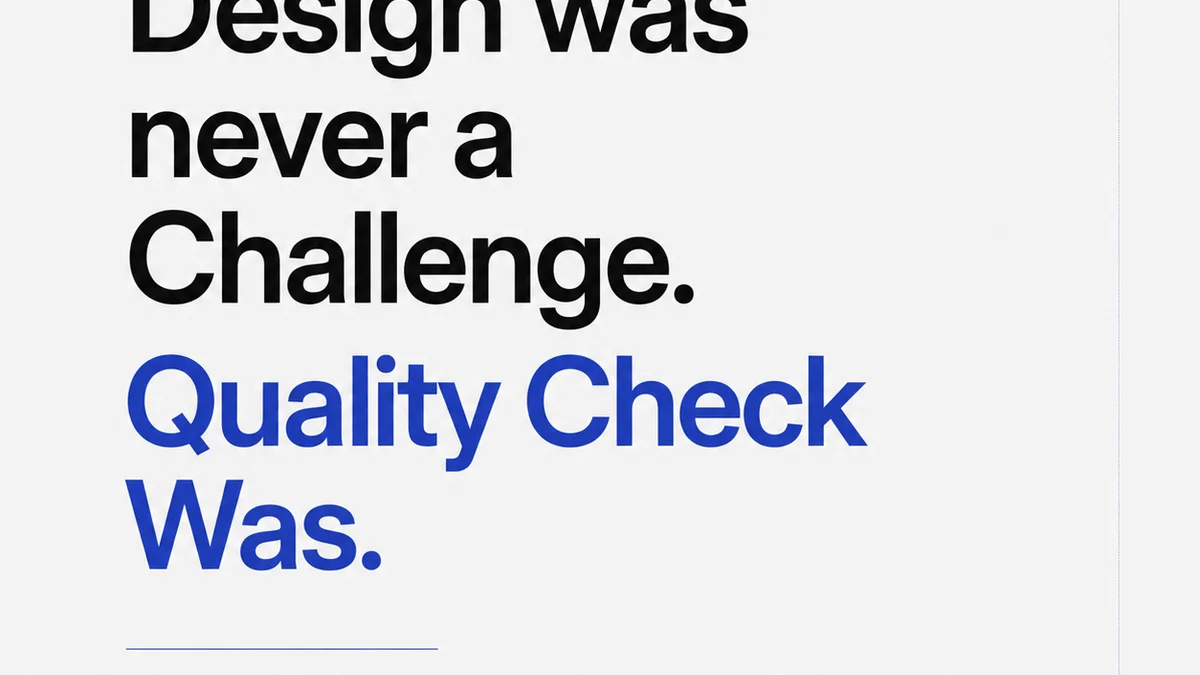
The hard truth is that most creative teams aren't struggling with a lack of talent. They’re drowning in friction.
Friction is the enemy of productivity. It’s the endless back-and-forth, the lost feedback, the unclear scope, the wasted hours spent chasing down approvals. It’s the operational drag that chokes creativity.
If you want to increase your team’s output without adding headcount, you need to eliminate that friction. You need to optimize your workflow.
1. Audit Your Feedback Loop
Where does feedback actually live in your agency? Is it scattered across a dozen email threads? Buried in Slack messages? Scribbled on sticky notes during a meeting that no one can recall?
This is not a minor inconvenience. This is a productivity black hole.
Think about it:
- How much time do designers spend deciphering vague comments?
- How often is feedback missed entirely, leading to rework?
- How many hours are lost just trying to find the *latest* version of a file?
The goal isn't just to *get* feedback. It's to get clear, actionable, and centralized feedback. Anything less is a recipe for delays.
The Centralization Imperative
Your feedback system should be the single source of truth. Every comment, every revision, every approval needs to be logged and visible.
This means moving away from ad-hoc communication channels for critical project details.
It means training your team (and your clients) to use a dedicated platform.
Actionable Insights from Feedback
Vague feedback like “make it pop” is useless. Productive feedback is specific and tied to objectives.
Train your team to ask clarifying questions. Train your clients on what constitutes useful critique.
A good system makes this easier by providing context for every comment.
2. Streamline Revisions and Approvals
This is where most agencies bleed hours. The revision cycle isn't just about making changes; it’s about the administrative overhead surrounding those changes.
Chasing down approvals is a full-time job for some people.
Waiting for that one sign-off can halt progress for days.
This isn't a people problem; it's a process problem.
Clear Ownership and Deadlines
Who is responsible for signing off on a deliverable? When is their deadline? If these aren't crystal clear, you have a bottleneck waiting to happen.
Use project management tools, sure, but also ensure that the *approval* step is explicitly defined and tracked.
Automate Where Possible
Can you automate notifications for pending approvals? Can you set up automated reminders?
These small automations add up. They free up project managers and designers from manual follow-ups.
Version Control That Works
How many times has a client approved version 3, only for someone to send them version 4 (which they *hate*)? Or worse, they go back to version 2 because they can't find the approved one?
Robust version control isn't just about saving files. It's about ensuring everyone is working from the same, approved baseline.
3. Define
Frequently asked questions
What is the biggest productivity killer in design agencies?
The biggest productivity killer is often friction in the workflow, particularly scattered client feedback, unclear revision requests, and lengthy approval processes, rather than a lack of designer talent.
How can I get clearer client feedback?
Train your clients to provide specific, actionable feedback tied to project objectives, and use a centralized platform where comments are contextualized and easily tracked. Encourage clarifying questions from your design team.
Is version control really that important?
Yes, it's critical. Proper version control ensures everyone, including clients and team members, is referencing the correct and most recently approved iteration of a design, preventing confusion and costly rework.
How can technology help improve design productivity?
Technology, like dedicated feedback and review platforms, can centralize communication, automate notifications and reminders for approvals, and provide clear audit trails for feedback and revisions, significantly reducing manual overhead and friction.