You think marketing asset management is about having a tidy shared drive. Or maybe a cloud storage solution with folders that make sense. None of that is wrong. But it’s incomplete.
The hard truth? True marketing asset management isn't about file organization. It's about workflow. It's about visibility. It’s about ensuring the right version of the right asset gets to the right person at the right time, every single time.
1. The Myth of the 'Centralized Repository'
We’re sold on the idea that a single source of truth will solve everything. A place where all final assets live, neatly tagged and categorized. This is the dream.
But in reality, it’s often just another destination for confusion. Why?
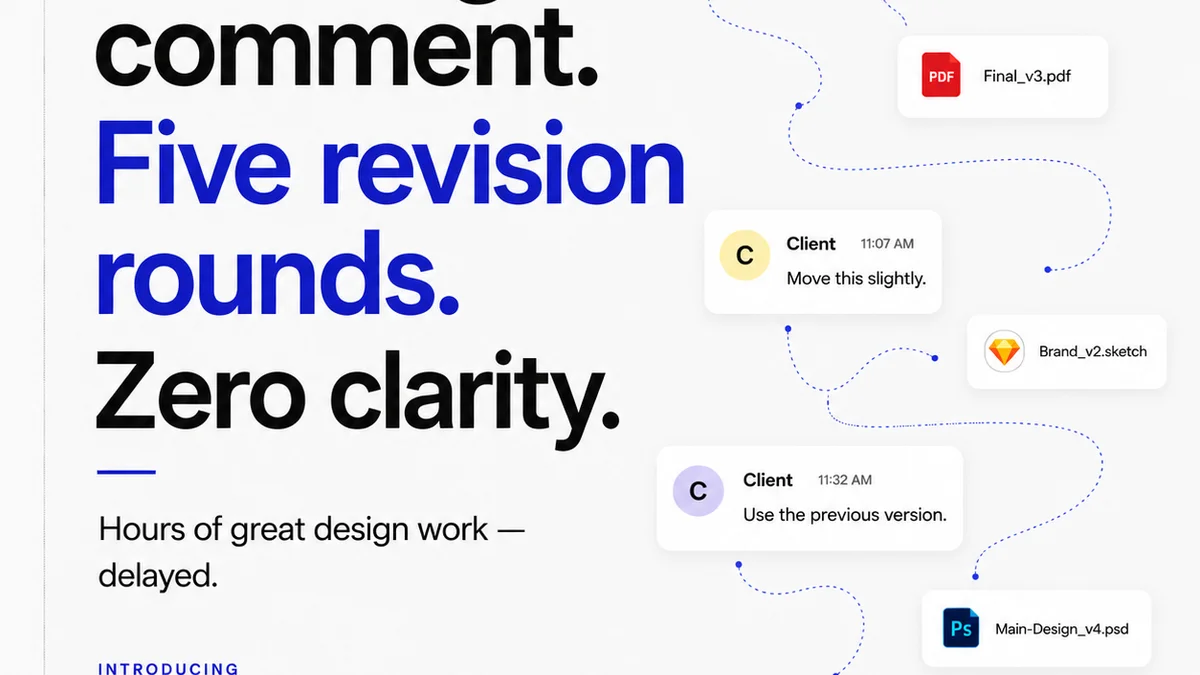
- Version Control Nightmares: Even with a 'central' spot, multiple versions still proliferate. 'Final_v3_really_final.ai' becomes the norm.
- Access Hurdles: Who has permission to access what? Setting and managing these permissions is a constant battle.
- Tagging Black Holes: The best tagging system is useless if no one uses it consistently. Or if the taxonomy is flawed from the start.
- Integration Gaps: Assets live in design tools, then get exported, then uploaded. Each step is a potential point of failure or duplication.
A centralized repository is a piece of the puzzle, not the whole picture. It’s a necessary component, but it doesn't inherently fix broken processes.
The Real Problem: Disconnected Workflows
The real issue is the disconnect between creation, review, approval, and distribution. Assets aren't just files; they are the output of a process.
If that process is chaotic, the 'repository' will simply become a dumping ground for chaos. You need to manage the workflow, not just the files.
2. Mastering the Asset Lifecycle
Every marketing asset has a lifecycle: creation, review, approval, distribution, archiving, and sometimes, retirement.
Managing assets effectively means understanding and optimizing each stage.
Creation: Beyond the Blank Canvas
This is where collaboration begins. Designers, copywriters, and stakeholders interact. Without clear briefs and feedback loops, this stage breeds inconsistency and wasted effort.
- Ambiguous Briefs: Leads to assets that miss the mark, requiring extensive revisions.
- Unstructured Feedback: Comments scattered across emails, Slack, and random documents.
- Tool Silos: Designers working in Figma, content in Google Docs, approvals via email.
Review and Approval: The Bottleneck
This is where projects often stall. The lack of a streamlined process leads to:
- Delayed Feedback: Stakeholders are busy. Feedback arrives late, disrupting timelines.
- Vague Comments:
Frequently asked questions
What's the difference between a shared drive and a DAM system?
A shared drive is primarily for file storage and basic access. A Digital Asset Management (DAM) system is a more robust solution designed for organizing, finding, managing, and distributing marketing assets, often with advanced features like version control, metadata tagging, workflow automation, and usage rights management.
How does clear feedback improve asset management?
Clear, actionable feedback at the creation and review stages prevents the generation of incorrect or unusable assets. This reduces the need for multiple revisions, minimizes confusion about 'final' versions, and ensures assets are fit for purpose from the outset, streamlining the entire asset lifecycle.
Why is version control so important for marketing assets?
Without proper version control, it's easy for outdated or incorrect versions of assets to be used in campaigns, leading to brand inconsistencies, errors, and wasted resources. Effective version control ensures that only the approved, latest version is accessible and used, maintaining quality and brand integrity.
Can a single tool solve all asset management problems?
No single tool can magically solve all asset management problems. The most effective solutions integrate with existing workflows and tools, focusing on process and collaboration. A system like Revue helps manage the feedback and approval process, which is a critical part of the asset lifecycle, but it works best when supported by a broader asset strategy.