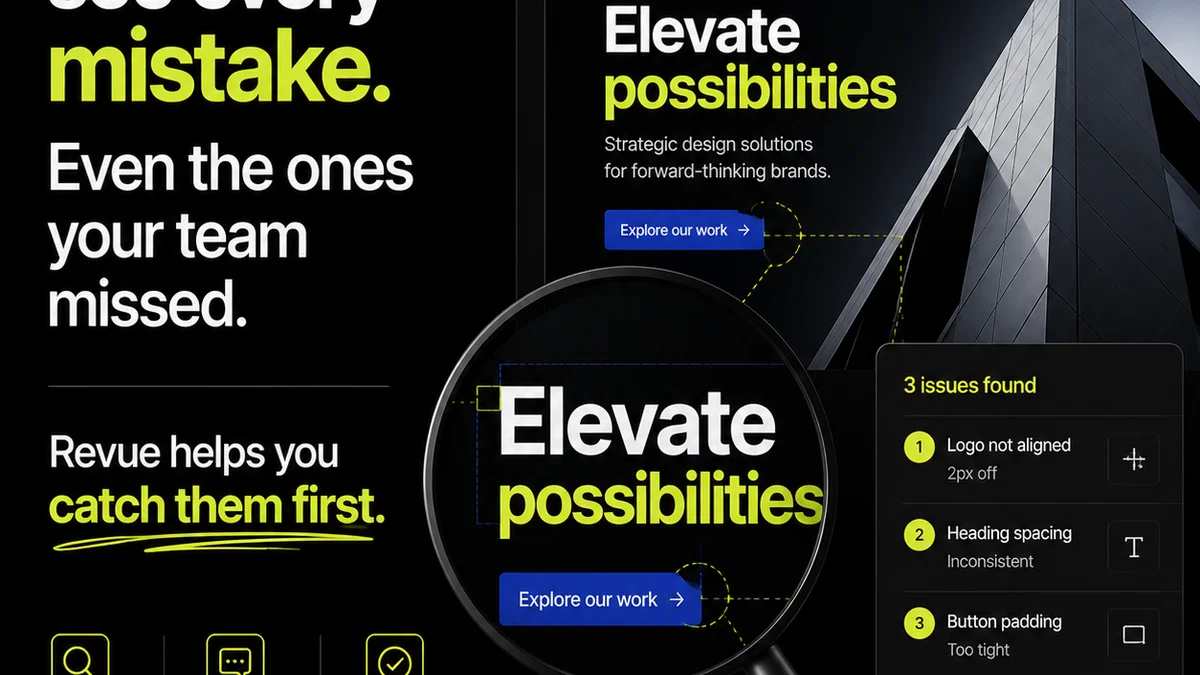
Everyone thinks more hands make lighter work. Especially when it comes to marketing design. Your team’s swamped, the client feedback is a mess, and deadlines are screaming. The obvious answer? Hire another designer. Or two.
None of that is wrong. But it’s incomplete.
The hard truth is, the problem often isn't a lack of talent or even bandwidth. It’s a broken process. You’re likely drowning in inefficiency, and adding more people just adds more cooks to an already chaotic kitchen.
Let’s talk about fixing the kitchen itself.
1. Unclog the Feedback Pipeline
Client feedback is the lifeblood of creative work. It’s also the most common choke point. Ever seen feedback arrive as a chaotic email chain, a Slack message, a hastily scribbled note, or even a verbal instruction?
This is a recipe for disaster. Misinterpretations, lost comments, and endless back-and-forth are guaranteed.
The Symptoms of a Clogged Pipeline
- Endless
Frequently asked questions
What's the biggest misconception about improving marketing design?
The biggest misconception is that you need to hire more designers. While more hands can help, the root cause of design bottlenecks is often inefficient workflows and poor feedback processes, not a lack of people.
How can I streamline client feedback without a new tool?
Establish clear feedback protocols. Designate a single point of contact for all feedback. Schedule dedicated feedback review sessions. Use clear, actionable language in your requests. Document all feedback centrally, even if it’s a shared spreadsheet, to avoid lost comments.
What are the signs my design process is inefficient?
Signs include frequent revisions due to miscommunication, delays in approvals, designers spending too much time chasing down feedback, and a general sense of chaos around project handoffs and file management.
Can I really improve design quality without more designers?
Yes. By optimizing your process, clarifying briefs, centralizing feedback, and improving revision tracking, you reduce errors and misinterpretations, allowing your existing designers to produce higher-quality work more consistently.