You think brand governance is about keeping the logo colors right. And making sure everyone spells the client’s name correctly.
None of that is wrong. But it’s incomplete.
The real truth? Brand governance isn’t a compliance task. It’s a revenue driver. It’s a direct path to higher ROI.
Most agencies and in-house teams treat brand governance as a necessary evil. A box to tick. A department that says “no.” That’s why it’s often underfunded, overlooked, and frankly, ineffective. It becomes a cost center. A drag on profitability.
But what if you flipped that? What if you saw brand governance as a strategic asset? An engine for efficiency and client satisfaction? That’s where the ROI comes in.
1. Stop Leaking Money on Rework
Every time a client sends back work because the brand elements are off, that’s money lost. Time lost. Opportunity lost.
It’s not just about a misplaced logo. It’s about:
- Redoing entire campaigns because the tone of voice is wrong.
- Revising websites because the visual identity wasn’t applied consistently.
- Chasing down approvals for assets that don’t meet brand standards.
- Clients questioning your expertise because you can’t even get their brand right.
This isn’t a minor annoyance. This is a direct hit to your bottom line. And it’s happening more often than you think.
Why? Because the systems for managing brand assets and ensuring adherence are often broken. Spreadsheets, shared drives, endless email chains. It’s a recipe for chaos, not control.
The Cost of Inconsistency
Think about the hidden costs:
- Billable hours spent fixing avoidable errors.
- Wasted creative talent on tasks that should be automated or templated.
- Damaged client relationships due to repeated mistakes.
- Missed deadlines impacting project profitability.
- Lost new business because your existing clients aren’t your biggest fans.
This isn’t just about aesthetics. It’s about operational efficiency. And operational efficiency is directly tied to your profit margins.
2. Accelerate Project Timelines
The faster you can get work out the door, the faster you can invoice. It’s simple math.
Brand governance, when done right, speeds things up. How?
- Centralized Asset Management: No more hunting for the latest logo file or brand guidelines. Everything is in one, accessible place.
- Standardized Templates: Pre-approved templates for common assets (social posts, presentations, reports) mean less from-scratch work and faster approvals.
- Clear Approval Workflows: Defined steps and automated notifications mean less waiting around for sign-offs.
- Proactive Quality Control: Catching brand missteps early prevents them from derailing the entire project.
When your team knows exactly what’s expected and has the tools to deliver it quickly, projects move. They don’t get bogged down in endless back-and-forth about brand minutiae.
This speed translates directly to more projects completed per quarter. More revenue generated. Higher utilization rates for your team.
Efficiency is the New Scale
Agencies that master operational efficiency can scale without simply hiring more people. They can handle more volume with the same team.
Brand governance is a keystone of this efficiency. It removes friction. It streamlines processes. It allows your creative talent to focus on what they do best: creating great work, not policing pixels.
3. Elevate Client Relationships and Trust
Clients hire you for expertise. They expect you to understand their brand better than they do.
When you consistently deliver work that perfectly aligns with their brand identity, you build immense trust.
This trust leads to:
- Longer Client Retainers: Clients stick with agencies that make their lives easier and their brands stronger.
- Increased Project Scope: Happy clients are more likely to award you additional projects.
- Fewer Client Revisions: Less time spent managing client feedback on brand issues means more time for strategic work.
- Stronger Partnerships: You move from vendor to trusted advisor.
Brand governance isn’t just about internal process; it’s a client-facing benefit. It’s a demonstrable commitment to their brand’s integrity and success.
And when clients trust you implicitly with their brand, they trust you with more of their budget.
The ROI of Reliability
Reliability breeds loyalty. Loyalty breeds predictable revenue.
A strong brand governance framework signals to your clients that you are organized, professional, and deeply invested in their success. That’s a powerful differentiator in a crowded market.
4. Reduce Risk and Protect Brand Equity
Your clients’ brand equity is valuable. A significant part of that value is its consistency.
Brand governance is your shield.
It protects against:
- Brand Dilution: Inconsistent messaging and visuals erode brand recognition and impact.
- Reputational Damage: Off-brand communications can lead to public backlash or confusion.
- Legal Issues: Misuse of trademarks or copyrighted assets can result in costly legal battles.
- Internal Misalignment: Different departments or teams working at cross-purposes damage the brand’s unified front.
A robust governance system ensures that every touchpoint reinforces, rather than undermines, the brand’s intended message and perception.
This risk mitigation is a critical, often overlooked, aspect of brand governance. It’s about safeguarding the client’s most valuable intangible asset.
Compliance as a Competitive Advantage
When you can confidently assure clients that their brand is protected under your stewardship, you gain a competitive edge.
It’s not just about following rules; it’s about understanding the business impact of those rules and proactively managing them.
Where Revue Fits In
You might be thinking, “This sounds like a lot of process. Where does the actual work happen?”
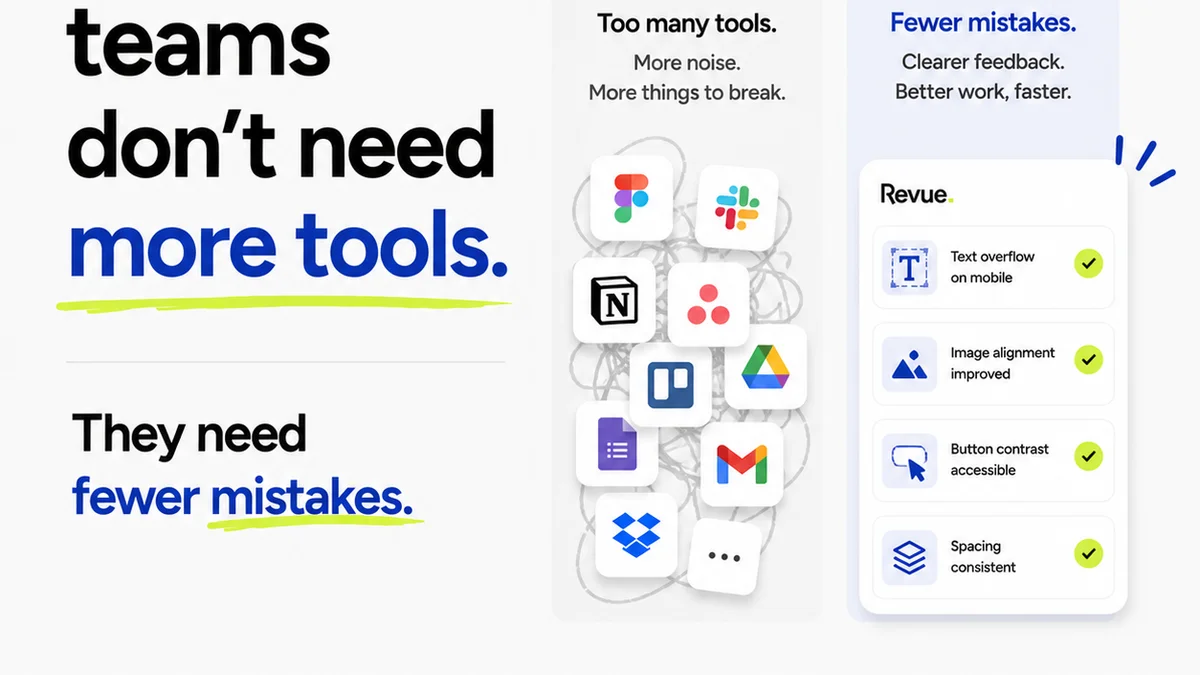
This is where the right tools become crucial. Trying to manage brand governance across disparate systems – email, Slack, cloud storage, project management tools – is a losing battle.
Revue is built to centralize the creative review and approval process. It’s not just about getting feedback; it’s about making that feedback actionable and ensuring brand compliance is built into the workflow.
- Centralized Feedback: All client comments and stakeholder approvals live in one place, attached to the specific creative asset. No more digging through email threads to find that one crucial note about the logo placement.
- Version Control and Revision Tracking: Easily see the history of changes, understand why they were made, and ensure that brand guidelines are being followed across revisions. This visibility is key to catching deviations before they become problems.
- Streamlined Approvals: Set up clear, multi-stage approval workflows. This ensures that brand-critical elements are reviewed by the right people at the right time, preventing off-brand assets from moving forward.
- Quality Assurance Checks: Before final delivery, use Revue to run through a final checklist, including brand adherence. This acts as a final gatekeeper, protecting both your agency and your client’s brand equity.
By integrating brand governance checks directly into your creative workflow with tools like Revue, you transform it from a bureaucratic hurdle into an enabler of speed, quality, and client satisfaction.
Final Thought
Is your brand governance strategy a cost center or a profit center?
If your team spends more time chasing down brand approvals than on strategic creative work, you’re leaving money on the table. And potentially damaging client relationships.
It’s time to stop thinking of brand governance as a policing function. Start seeing it as a strategic advantage. An opportunity to build trust, drive efficiency, and directly impact your agency’s bottom line.
Frequently asked questions
What is brand governance in a creative agency context?
Brand governance in a creative agency refers to the systems, processes, and guidelines put in place to ensure that all creative output consistently adheres to a client's brand identity, voice, and visual standards. It's about maintaining brand integrity across all touchpoints.
How does brand governance directly improve ROI?
Brand governance improves ROI by reducing costly rework due to brand misinterpretations, accelerating project delivery times (leading to faster invoicing), strengthening client relationships (leading to retainer renewals and expanded scope), and mitigating risks that could damage brand equity and incur legal fees.
Isn't brand governance just about checking logo usage?
While logo usage is a part of it, effective brand governance encompasses much more. It includes tone of voice, messaging consistency, visual identity application, adherence to legal disclaimers, and ensuring all creative aligns with the client's strategic brand objectives. It’s a holistic approach to brand stewardship.
What are the first steps to implementing better brand governance?
Start by auditing your current processes for brand adherence. Centralize brand assets and guidelines. Define clear approval workflows. Educate your team on the importance of governance and the specific standards. Finally, consider tools that can automate checks and centralize feedback, like Revue.