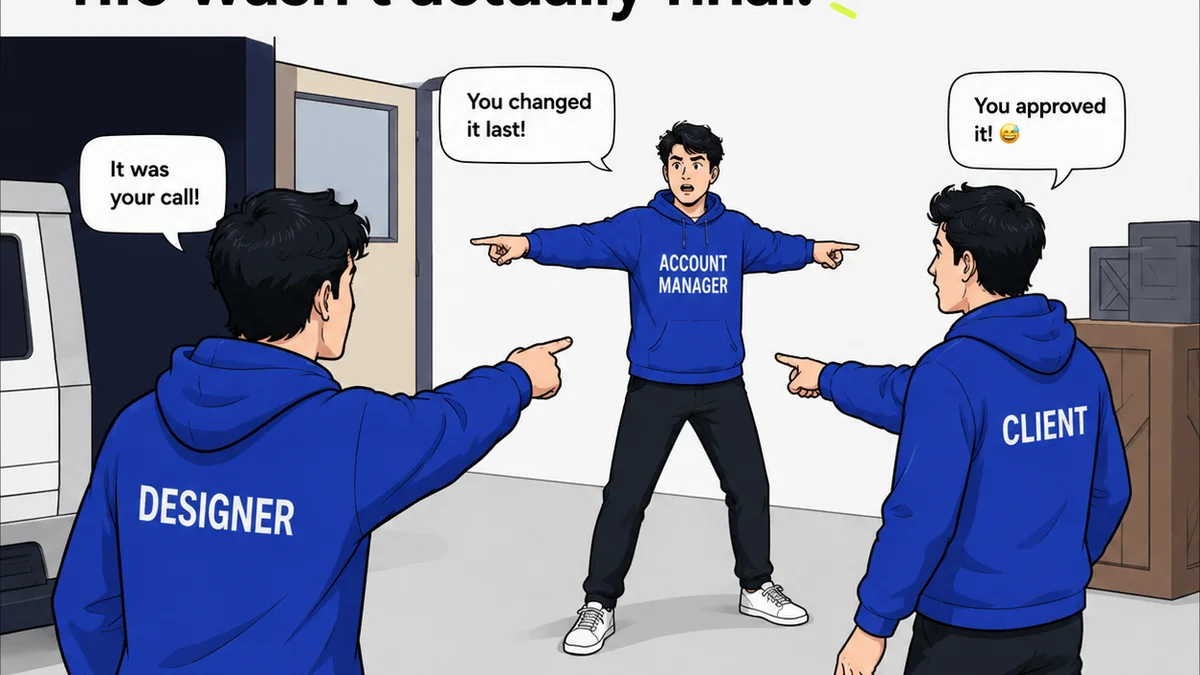
Everyone says brand managers need better software. They need tools that streamline workflows, centralize feedback, and provide clear visibility into creative projects. None of that is wrong. But it’s incomplete.
The hard truth? Most software solutions *fail* brand managers because they’re built on a misunderstanding of the core problem: the sheer volume and complexity of stakeholder input. It’s not just about collecting feedback; it’s about *managing* it effectively across multiple internal and external teams, all while maintaining brand consistency and hitting tight deadlines.
1. Understand the Real Bottleneck: Decentralized Chaos
Brand managers are drowning in requests. They juggle internal marketing teams, external agencies, legal reviews, product development, sales enablement, and sometimes even executive leadership. Each group has its own priorities, communication style, and definition of 'done'.
This isn't a problem of *too little* communication; it's a problem of *unstructured* communication.
Common Symptoms of Decentralized Chaos
- Endless email chains with conflicting feedback.
- Spreadsheets that are out-of-date the moment they’re saved.
- Version control nightmares where the wrong asset is approved.
- Missed deadlines due to unclear feedback loops.
- Inconsistent brand messaging across different channels.
- Frustration from agencies and internal teams alike.
The goal isn't just to gather feedback; it's to create a single source of truth for every creative asset. This means moving beyond simple comment threads.
2. The Illusion of 'Client Feedback Tools'
Many tools market themselves as solutions for client feedback. But they often only solve a fraction of the problem. They might allow for annotation on an image or video, but they don't address the multifaceted nature of brand management.
Brand managers aren't just clients; they are custodians of a brand's identity. Their needs go far beyond simple approval.
What True Brand Management Software Needs
- Centralized Asset Hub: A single place for all creative files, from initial concepts to final deliverables.
- Granular Version Control: Clear tracking of every revision, who made it, and when.
- Multi-Stakeholder Workflows: Customizable approval paths that can involve multiple teams or individuals sequentially or in parallel.
- Contextual Feedback: The ability to link feedback directly to specific elements within an asset, not just a general comment.
- Brand Guideline Integration: Tools that can flag potential brand violations before they reach final approval.
- Reporting and Analytics: Visibility into review cycles, bottlenecks, and asset usage.
A tool that only offers annotation is like giving a chef a single knife and expecting them to prepare a five-course meal. It’s a start, but woefully inadequate for the complexity of the task.
3. Bridging the Gap: From Feedback Collection to Workflow Orchestration
The leap from simple feedback to effective workflow orchestration is where most software falls short. Brand managers need a system that doesn't just *receive* input but actively *manages* the entire creative lifecycle.
This means building software that understands the nuances of agency-client or internal team dynamics.
Key Differentiators for Effective Software
- Configurable Approval Stages: Beyond a simple 'Approve/Reject,' allow for 'Approve with Minor Revisions,' 'Requires Legal Review,' etc.
- Automated Notifications: Intelligent alerts that prompt the right person at the right time, reducing manual follow-up.
- Role-Based Permissions: Ensuring that only authorized individuals can provide feedback or approvals for specific stages.
- Integration Capabilities: Connecting with existing tools (like DAMs, project management software, or design tools) to avoid creating another silo.
- Audit Trails: Immutable records of all interactions, crucial for accountability and dispute resolution.
This level of control transforms the software from a passive repository into an active management system.
4. The Role of AI in Brand Management Software
Artificial intelligence isn't magic, but it can be a powerful assistant for brand managers. The key is applying AI to solve real, recurring problems, not just for the sake of having AI.
Think of AI as a hyper-efficient junior team member.
Practical AI Applications
- Automated Tagging and Categorization: AI can analyze assets and automatically tag them with relevant keywords, making them easier to find.
- Brand Guideline Enforcement: AI can scan creative assets for potential violations of brand guidelines (e.g., incorrect logo usage, color palette deviations).
- Sentiment Analysis on Feedback: Understanding the general tone of feedback can help prioritize and interpret comments, especially when there's a lot of it.
- Predictive Workflow Optimization: AI can analyze historical data to predict potential delays and suggest adjustments to the workflow.
When implemented thoughtfully, AI can significantly reduce the manual burden on brand managers, allowing them to focus on strategic decision-making.
Where Revue Fits In
This is precisely the operational challenge Revue was built to solve. Brand managers and creative leads are bogged down by the friction of decentralized feedback and opaque revision processes. They need a system that brings order to the creative chaos.
Revue provides a centralized platform where all client feedback, revisions, and approvals happen in one place. This eliminates the endless email chains and scattered spreadsheets.
With clear visibility into every step of the revision process and automated quality checks, brand managers can ensure brand consistency and hit their deadlines without the constant stress of chasing down input. It’s about transforming feedback from a bottleneck into a streamlined, trackable part of the creative workflow.
5. Building for Scalability and Adaptability
The needs of a brand manager aren't static. They evolve with the company, the market, and the creative landscape. Software must be built with this inherent adaptability in mind.
A rigid system will quickly become obsolete.
Considerations for Future-Proofing
- Modular Design: Can new features or integrations be added easily?
- API Access: Does the software allow for seamless connection with other essential business tools?
- User Customization: Can workflows, dashboards, and notification settings be tailored to specific team or project needs?
- Scalable Infrastructure: Can the software handle increasing volumes of assets and users without performance degradation?
Building software for brand managers means anticipating their future needs, not just addressing their current pain points.
Final Thought
Are you building software that merely collects feedback, or are you building a system that orchestrates the entire creative lifecycle? The distinction is crucial for empowering brand managers to do their best work.
Frequently asked questions
What are the biggest challenges brand managers face with current software?
Brand managers often struggle with decentralized feedback across multiple channels (email, chat, spreadsheets), lack of clear version control for creative assets, and inefficient approval workflows that lead to missed deadlines and brand inconsistency.
How can software improve brand consistency?
Software can improve brand consistency by centralizing all creative assets, providing clear version history, integrating brand guidelines, and offering configurable approval workflows that ensure all necessary reviews (e.g., legal, marketing) are completed before final sign-off.
What's the difference between feedback collection tools and workflow orchestration software?
Feedback collection tools primarily focus on gathering comments on assets. Workflow orchestration software goes further by managing the entire lifecycle of an asset, including multi-stage approvals, automated notifications, version control, and reporting, turning feedback into actionable steps.
How can AI help brand managers?
AI can assist brand managers by automating asset tagging, enforcing brand guideline compliance through scans, analyzing feedback sentiment to prioritize input, and optimizing workflows by predicting potential delays based on historical data.