Everyone talks about asset management. They talk about digital libraries, organized folders, and easy retrieval. It sounds… simple, right? Just put stuff where you can find it.
None of that is wrong. But it’s incomplete.
The hard truth is that effective asset management isn't just about storage. It's about workflow. It's about speed. It's about profitability. And if you're not measuring the right things, you're flying blind.
You're likely focused on vanity metrics: how many assets you have, how many people are logged in. That’s like a restaurant owner counting how many plates are in the kitchen instead of how many meals they've served, or how quickly. It tells you nothing about the actual business.
What you need are Key Performance Indicators (KPIs) that actually reflect how well your asset management system is serving your creative operations. These aren't just for IT departments. These are for agency owners, creative directors, and operations managers who understand that efficiency *is* profitability.
1. Asset Retrieval Time
This is the most fundamental KPI. How long does it take for a team member to find and access a specific asset they need for a project?
Think about the cost of waiting. A designer stuck waiting for a logo. A production artist hunting for a specific brand guideline. A client services rep needing a past campaign visual for a new pitch. Every minute spent searching is a minute not spent creating, selling, or delighting clients.
How to measure:
- Implement time-tracking for asset searches. This can be manual (asking people to note start/end times) or automated through specialized asset management software that logs search duration.
- Sample a range of asset types and user roles to get a representative average.
- Track the time it takes to find assets for different project types (e.g., new campaign launch vs. minor website update).
A high retrieval time is a red flag. It means your organization is inefficient, your search functionality is poor, or your metadata is lacking. Or all three.
Sub-KPI: Search Success Rate
Even more critical: did they find the *right* asset? Or did they give up and use a generic placeholder, or worse, an outdated version?
- Track the number of searches that result in finding the correct asset on the first try.
- Monitor instances where users report not being able to find what they need.
If people can't find what they need, they'll either recreate it (wasteful) or use an incorrect version (risky).
2. Asset Version Control Accuracy
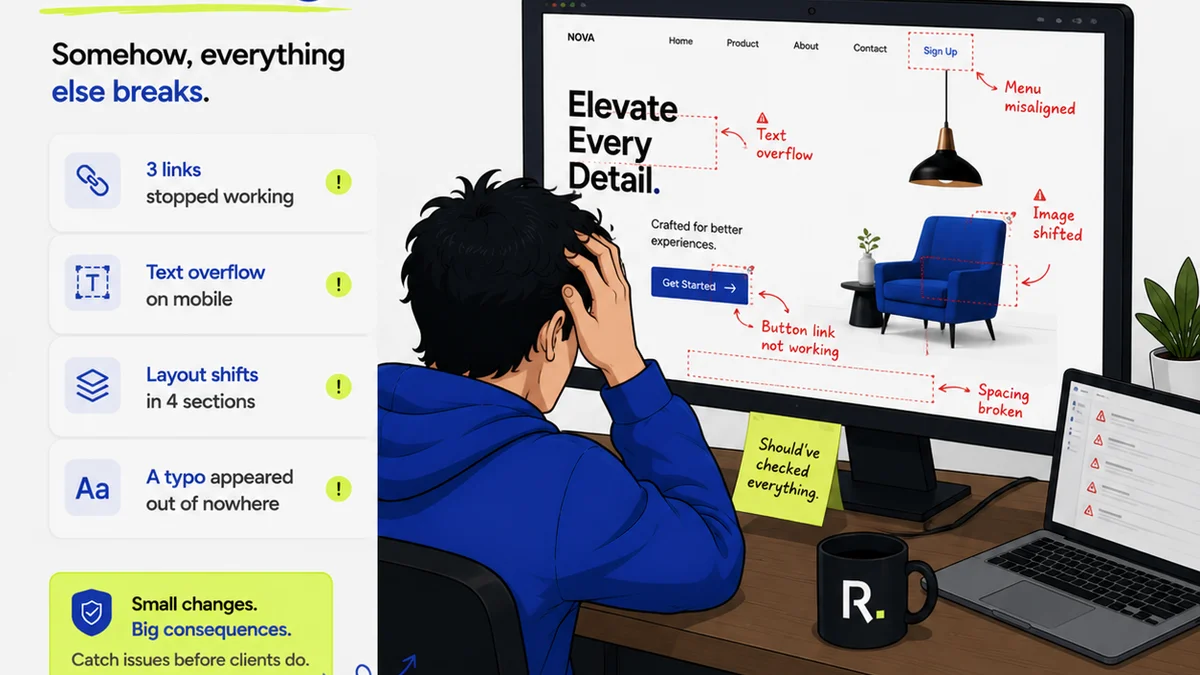
How many times has a project gone out the door with an outdated logo, an old product image, or a previous campaign tagline? Too many, probably.
This isn't just an embarrassing mistake; it's a brand consistency killer and a potential compliance issue. Your asset management system needs to ensure everyone is working with the single source of truth – the latest, approved version.
- Track the number of instances where a non-approved or outdated asset was used in a deliverable.
- Monitor the frequency of
Frequently asked questions
What are the most important KPIs for creative asset management?
The most critical KPIs focus on efficiency and accuracy: Asset Retrieval Time, Search Success Rate, Version Control Accuracy, Asset Utilization Rate, and Approval Cycle Time for new assets.
How can I measure asset retrieval time?
You can measure asset retrieval time through manual tracking (users noting search duration) or automated logging within specialized asset management software. Sample across different asset types and user roles for an accurate average.
Why is version control accuracy so important for creative assets?
Version control accuracy prevents the use of outdated logos, images, or taglines in client deliverables. This maintains brand consistency, avoids compliance issues, and saves time and resources spent on correcting errors.
What is asset utilization rate and why does it matter?
Asset utilization rate measures how often your approved assets are actually used in projects. A low rate suggests assets aren't discoverable, relevant, or easily integrated into workflows, indicating wasted investment in asset creation.