Everyone knows localization means translating content for different markets. It’s a box you tick, a service you offer, a way to go global. That’s the easy part. The assumption is that once the words are swapped, the job is done.
None of that is wrong. But it’s incomplete.
The hard truth is that true localization is an operational beast. It’s about more than just language; it’s about cultural nuance, market expectations, and seamless integration into every aspect of your client’s brand. Get it wrong, and your carefully crafted global campaign can fall flat, or worse, offend.
This isn't about simply handing off a file to a translator. It's a strategic, multi-faceted process that demands rigor.
1. Beyond Translation: The Cultural Deep Dive
Translation is the baseline. Localization is the art of making your content feel *native*. This means understanding not just what words to use, but how to frame messages, what imagery resonates, and what cultural references are appropriate – or disastrous.
Understanding Local Sensibilities
Every market has its own unspoken rules. What’s funny in one country might be offensive in another. What’s aspirational in one culture could be seen as boastful in another.
- Color Symbolism: White signifies purity in Western cultures, but mourning in many East Asian cultures.
- Gestures and Icons: The thumbs-up gesture is positive in the US, but highly offensive in parts of the Middle East and West Africa.
- Humor Styles: Sarcasm, irony, slapstick – these don't translate universally.
- Taboo Subjects: Religion, politics, and even certain holidays can be sensitive topics that require careful navigation.
Ignoring these nuances isn't just a missed opportunity; it’s a direct path to alienating your target audience.
Adapting Visuals and Design
Localization extends to every pixel. Images, graphics, and even UI elements need to be scrutinized.
- Models and Representation: Ensure your imagery reflects the local demographic. Generic, Western-centric models won't cut it.
- Product Depictions: Show products in contexts that make sense locally. A beach scene might be relevant for swimwear in Australia, but a ski slope might be better for Scandinavia.
- Layout and Design Conventions: Right-to-left languages (like Arabic and Hebrew) require significant layout adjustments. Even reading patterns can differ.
This requires a creative eye, not just a linguistic one.
2. The Technical Backbone: Infrastructure and Workflow
Localization isn't a one-off task; it’s an ongoing operational process. Without the right systems, it quickly becomes chaotic and expensive.
Choosing the Right Tools
Spreadsheets and email chains are the enemy of efficient localization. You need dedicated tools that streamline the process.
- Translation Management Systems (TMS): These platforms manage the entire localization workflow, from content extraction to translation, review, and deployment.
- Content Management Systems (CMS) with Localization Features: A good CMS can handle multilingual content natively, making it easier to manage and publish.
- Version Control: Essential for tracking changes across multiple language versions of a single piece of content.
The right tech stack prevents errors and saves massive amounts of time.
Establishing a Scalable Workflow
A predictable, repeatable workflow is crucial for consistency and efficiency, especially as your localization needs grow.
- Content Audit and Preparation: Identify what needs to be localized and prepare it in a translatable format.
- Linguistic Quality Assurance (LQA): Beyond basic proofreading, this involves checking for accuracy, consistency, and cultural appropriateness.
- Functional Testing: Ensure the localized content displays correctly and all interactive elements work as intended in the target locale.
- Feedback Loops: Create clear channels for receiving and incorporating feedback from local teams or reviewers.
This isn't optional. It’s the engine that drives successful global campaigns.
3. The Human Element: Team, Collaboration, and Expertise
Technology and process are vital, but localization is ultimately a human endeavor. It requires the right people working together effectively.
Assembling the Right Team
Your internal team might not have all the necessary skills. You need to augment your capabilities.
- Native Translators: Crucial for authentic language and cultural understanding.
- Local Market Experts: Individuals with deep knowledge of the target culture and consumer behavior.
- Project Managers: Skilled in managing complex, multi-language projects with tight deadlines.
- In-house Reviewers: Stakeholders who understand the brand and can provide essential market-specific feedback.
Don’t assume your marketing team can handle this alone.
Fostering Collaboration
Localization is inherently collaborative. Silos kill projects.
- Clear Communication Channels: Ensure everyone involved – internal teams, translators, local reviewers – can communicate easily and efficiently.
- Centralized Feedback Hub: A single source of truth for all comments, revisions, and approvals is non-negotiable.
- Shared Understanding of Goals: Everyone needs to be aligned on the objective of the localization effort.
This means breaking down internal barriers and encouraging cross-functional teamwork.
Leveraging Local Expertise
Your local teams or partners are your greatest asset. Listen to them.
- Empower Local Reviewers: Give them the authority and tools to make informed decisions about cultural adaptation.
- Regular Check-ins: Schedule frequent touchpoints to ensure alignment and address any emerging issues.
- Build Relationships: Treat local partners as extensions of your team, not just vendors.
Their insights are invaluable for avoiding costly mistakes and maximizing impact.
4. Quality Control: The Unseen Gatekeeper
Many agencies treat quality control as an afterthought. For localization, it’s a critical, ongoing function.
Defining Localization Quality
What does “good” look like? It’s more than just grammatically correct text.
- Linguistic Accuracy: The translation must be precise and convey the intended meaning.
- Cultural Appropriateness: Content must align with local customs, values, and sensitivities.
- Brand Consistency: Tone of voice, messaging, and visual identity must remain consistent with the global brand.
- Functional Correctness: All elements, from text to images to interactive features, must work flawlessly in the target environment.
This requires a defined set of standards.
Implementing Robust QA Processes
Don’t rely on a single proofread. Implement multi-stage checks.
- Translator Review: The initial check by the translator.
- Editor/Proofreader Review: A second pass by a fresh linguistic expert.
- Subject Matter Expert (SME) Review: If the content is technical or specialized, an SME in that field should review.
- In-Market Review: A native speaker or local team member reviews for cultural relevance and natural flow.
- Functional Testing: Checking the live or staged content on target devices and browsers.
Each stage catches different types of errors.
The Cost of Poor Quality
A single blunder can undo months of work. It erodes trust, damages brand reputation, and can lead to significant financial losses.
Think about brands that have faced public backlash for culturally insensitive campaigns. It’s rarely a single, isolated incident. It’s often a failure of process and oversight at multiple levels, starting with a lack of robust quality control.
Where Revue Fits In
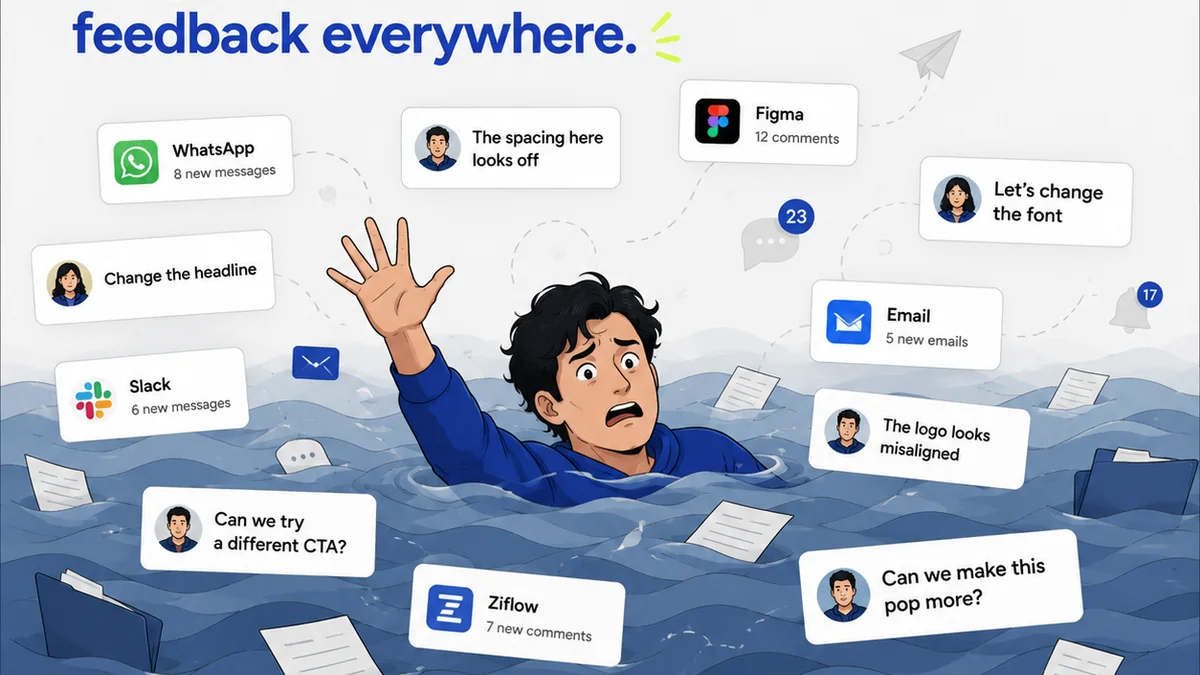
Managing the localization process, especially across multiple markets and languages, can quickly become a tangled mess of spreadsheets, emails, and conflicting feedback. This is where a centralized platform becomes indispensable.
Revue provides a single source of truth for all client feedback, revisions, and approvals. Imagine a client’s local market reviewer leaving a comment directly on a localized piece of collateral. That comment is instantly visible to the project team, the translators, and the designers. No more hunting through email chains or trying to decipher cryptic notes.
This visibility is critical for:
- Streamlining Feedback: Consolidating all comments from various stakeholders (global marketing, local reviewers, legal) into one place.
- Managing Revisions: Tracking every iteration and ensuring that feedback is addressed accurately and efficiently across all language versions.
- Ensuring Quality: Providing a clear audit trail of approvals and sign-offs, making it easier to conduct final quality checks before deployment.
By centralizing these critical communication and approval steps, Revue helps agencies maintain control and ensure consistency, even when dealing with the complexities of global localization.
Final Thought
Localization is not a bolt-on service; it's a strategic imperative for global brands. It demands a commitment to understanding, a robust operational framework, and a collaborative spirit. The question isn't whether you can afford to do localization right. It's whether you can afford not to.
Frequently asked questions
What's the difference between translation and localization?
Translation is the direct conversion of text from one language to another. Localization adapts content to a specific target market, considering cultural nuances, local customs, and user expectations to make the content feel native and relevant.
How can agencies ensure cultural appropriateness in localized content?
Agencies must involve native speakers and local market experts in the review process. This includes scrutinizing visuals, humor, color symbolism, and avoiding culturally sensitive topics or references that might be misunderstood or offensive.
What are the key technical tools for localization?
Essential tools include Translation Management Systems (TMS) for workflow automation, Content Management Systems (CMS) with multilingual capabilities, and robust version control systems to manage content changes across languages.
Why is a centralized feedback system important for localization?
A centralized system like Revue consolidates all feedback, revisions, and approvals from various global and local stakeholders into one place. This prevents miscommunication, ensures all feedback is addressed, and provides a clear audit trail, streamlining the entire process and improving quality control.