Everyone thinks localization is just translation. You get your copy, hand it off to a translator, and boom – instant global reach. Right?
None of that is wrong. But it’s incomplete.
The hard truth is that true localization is a complex operational challenge that touches every part of your creative process. It’s about cultural nuance, market-specific expectations, and seamless integration into your workflow. Get it wrong, and you don’t just miss the mark; you offend.
1. Beyond Words: What Localization *Really* Means
Localization (often abbreviated as L10n) is the process of adapting a product or content to a specific locale or market. This goes far beyond simply translating text.
Cultural Context is King
Think about colors. In Western cultures, white is often associated with purity and weddings. In many East Asian cultures, it’s the color of mourning. A simple color choice can have drastically different implications.
This applies to:
- Imagery and symbolism
- Humor and tone
- Social norms and etiquette
- Units of measurement (metric vs. imperial)
- Date and time formats
- Currency and payment methods
Failing to account for these can lead to confusion, alienation, or worse, unintended offense.
Market-Specific Needs
What works in one market might be irrelevant or even undesirable in another. This could involve:
- Product features that are standard in one region but novel in another.
- Regulatory requirements that differ significantly.
- Competitor landscapes that demand a different strategic approach.
Localization is about making your offering feel native, not foreign.
2. The Operational Minefield: Common Localization Pitfalls
Most agencies stumble on localization not because they don’t understand the *goal*, but because they don’t have a robust *process*.
The "Copy-Paste" Translation Trap
Treating translated content as a simple add-on to the original design file is a recipe for disaster. Text expansion alone can break layouts. Different languages require different visual treatments.
Lack of Centralized Assets
When source files and localized versions are scattered across different folders, drives, or even email chains, managing updates and consistency becomes a nightmare. Which version is the latest? Where is that specific graphic that needs to be adapted?
Unclear Briefing for Linguists
Translators aren't mind-readers. They need context. Without a clear brief outlining the target audience, brand voice, and specific project goals, you’ll get generic translations that miss the mark.
Ignoring Visual Adaptation
It's not just about words. Images, icons, and even UI elements might need to be changed. A handshake might be appropriate in one culture but seen as too intimate in another.
Testing Gaps
Simply proofreading translated text isn't enough. You need to test the localized experience. Does the UI flow correctly? Are the cultural references landing? Is the overall message resonating?
3. Building a Localization Workflow That Works
Effective localization requires treating it as an integral part of your project lifecycle, not an afterthought.
Start Early, Plan Deeply
Localization shouldn't be a final step. It needs to be considered from the initial strategy and design phases. Identify target markets and their specific needs upfront.
Create a Style Guide for Each Locale
Just like your brand has a style guide, your localized content needs one. This should cover:
- Tone of voice for the specific market
- Key terminology and approved translations
- Cultural do's and don'ts
- Formatting standards (dates, numbers, currency)
Invest in the Right Tools
Translation Management Systems (TMS) are crucial. They streamline the process of sending content for translation, managing linguists, and integrating with your existing tools. Look for systems that support:
- File management and version control
- Integration with design tools
- Collaboration features
- Automated workflows
Centralize Everything
Maintain a single source of truth for all creative assets and localized content. This ensures everyone is working with the latest versions and reduces errors.
Leverage Technology Wisely
Machine translation (MT) has improved dramatically, but it’s rarely a replacement for human translators, especially for marketing or customer-facing content. Use MT for initial drafts or internal-only content, but always have human post-editing (MTPE) for anything critical.
Collaborate Closely with Linguists
Treat your translators and cultural consultants as partners. Provide them with comprehensive briefs, context, and style guides. Encourage questions and feedback.
4. Where Revue Fits In
Managing the localization process, especially the creative assets and feedback loops, can become incredibly chaotic without the right system.
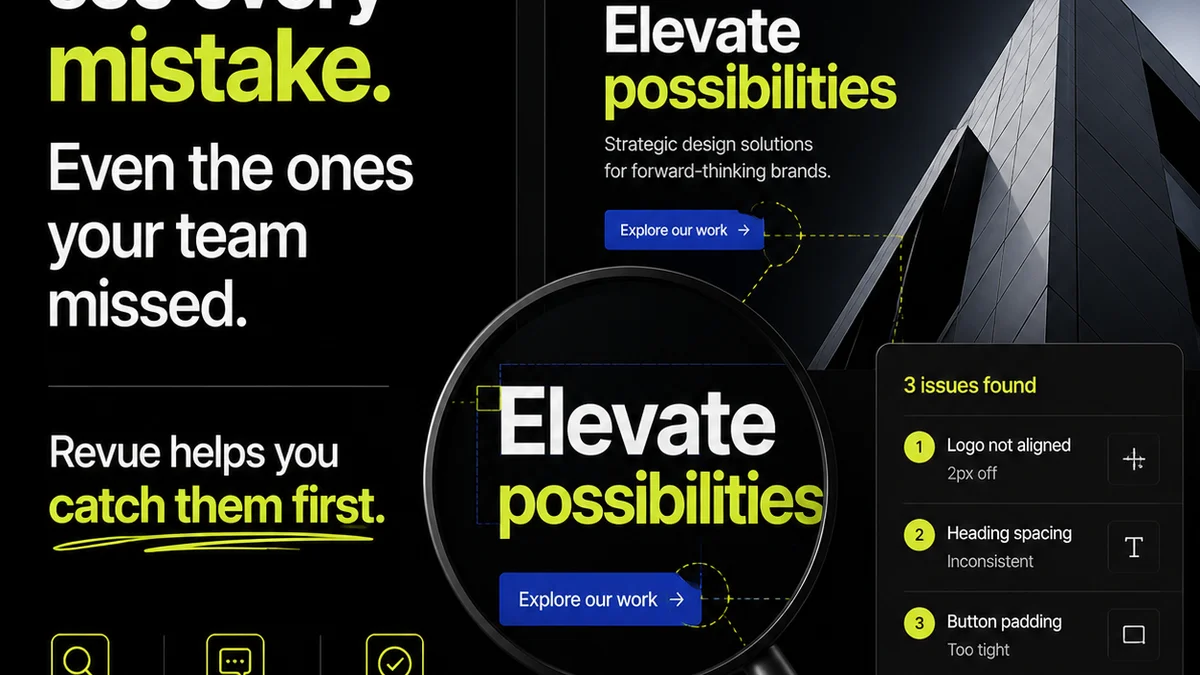
Revue helps bring order to this chaos by providing a centralized platform for all your creative work.
- Centralized Feedback: Instead of scattered email threads or missed comments in shared docs, all client feedback – including feedback on localized versions – lives in one place, attached directly to the creative asset.
- Revision & Approval Visibility: Track every version, every revision, and every approval. This clarity is essential when managing multiple language versions simultaneously, ensuring you know exactly where each localized piece stands.
- Quality Checks: Ensure consistency and accuracy across all language versions. By having a structured review process within Revue, you can implement checks for visual adherence to localized layouts and textual accuracy before final sign-off.
This level of control minimizes the operational friction that often derails ambitious localization projects.
5. Final Thought
Localization isn't just about reaching new customers; it's about respecting them. It’s a strategic imperative that, when done right, builds deeper connections and unlocks true global potential. Are you just translating, or are you truly localizing?
Frequently asked questions
What's the difference between translation and localization?
Translation focuses on converting text from one language to another. Localization adapts content and products to a specific locale, considering cultural nuances, market expectations, and local customs, which often includes translation but goes much further.
How much does localization typically cost?
Costs vary widely based on project scope, languages, content volume, and the level of adaptation required. It's an investment in market penetration, not just an expense.
Can I use machine translation for localization?
Machine translation can be a starting point for some content, but for marketing, legal, or customer-facing materials, human review (post-editing) is essential to ensure accuracy, cultural appropriateness, and brand voice.
How long does localization take?
The timeline depends on the complexity, number of languages, and your internal processes. It's crucial to factor localization into project planning from the outset, rather than treating it as a last-minute task.