Everyone thinks localization is about translation. Get the words right in Spanish, French, German, and you’re golden. Right?
None of that is wrong. But it’s incomplete. And often, dangerously so.
The real truth is that true localization goes far beyond linguistic accuracy. It’s about cultural fluency. It’s about understanding the *why* behind the *what* your audience consumes. And missing this distinction is where most brands trip up, costing them not just money, but credibility.
1. The "Just Translate It" Mentality
This is the most common, and most damaging, assumption. You have a killer campaign. It works in your home market. So, you hand it over to a translator and expect it to land the same way everywhere else.
This approach ignores:
- Cultural nuances and taboos.
- Local idioms and humor that don't translate.
- Visual elements that might be offensive or misunderstood.
- Color meanings and symbolism.
- Local holidays, events, and social context.
- Regulatory differences and legal requirements.
The result? Campaigns that feel alien, awkward, or even offensive. You might get the words right, but you’ll miss the meaning.
The Hard Truth: Localization is Cultural Adaptation
Think of it as cultural intelligence. It’s about making your message feel like it was *created* for that specific market, not just *sent* there.
2. Ignoring Visual and Auditory Elements
Your brand isn't just words. It's imagery, music, tone of voice, and even the way your website is structured. Localization needs to address all of it.
Consider these:
- Imagery: A stock photo of a family that looks decidedly Western might not resonate in a market that values different family structures or aesthetics. Hand gestures in images can have vastly different meanings.
- Color: White signifies purity in many Western cultures, but it's the color of mourning in some Asian cultures. Red can mean luck or danger.
- Music & Sound: Jingles and background music that feel energetic in one region might be jarring or inappropriate in another.
- User Interface (UI): Text expansion or contraction can break layouts. Navigation patterns might differ based on local user habits.
These aren't afterthoughts. They are integral to how your message is received.
The Hard Truth: The Entire Experience Must Be Localized
Every touchpoint matters. If the visuals feel foreign, the message will, too.
3. Rushing the Process
Localization is often squeezed into the end of a project timeline. It’s seen as a final coat of paint, not a fundamental part of the design and strategy process.
This leads to:
- Inadequate time for research and cultural consultation.
- Lack of opportunity for local market testing.
- Limited budget for professional translation and transcreation.
- Pressure to approve localized assets without proper review.
When you rush, you invite errors. You miss opportunities to truly connect.
The Hard Truth: Localization is a Strategic Phase, Not a Tactic
It needs to be baked into your planning from the start.
4. Failing to Use Local Experts (or Using the Wrong Ones)
You might think your multilingual marketing team can handle it. Or that a cheap online translation service is sufficient. This is a false economy.
Here’s why relying on generalists or machines falls short:
- Nuance: They miss the subtle cultural references, the in-jokes, the emotional weight of certain phrases.
- Tone: They can’t capture the specific brand voice required for your market.
- Context: They lack deep understanding of local market trends, competitors, and consumer behavior.
- Risk: A mistranslation or culturally insensitive element can cause a PR crisis.
Professional translators are skilled linguists. But *transcreators* are cultural storytellers who adapt your message for a new audience.
The Hard Truth: Invest in Native-Speaking Transcreation
This isn't just about language; it's about cultural resonance. Hire people who live and breathe the target market.
5. Not Planning for Iteration and Feedback
Localization isn't a one-and-done task. Markets evolve, language shifts, and initial assumptions can be wrong.
You need a system for:
- Gathering feedback from local teams or focus groups.
- Making revisions based on that feedback.
- Tracking changes and approvals efficiently.
- Ensuring consistency across all localized assets.
Trying to manage this via scattered emails and spreadsheets is a recipe for chaos and missed deadlines.
The Hard Truth: Localization Requires Ongoing Management
It’s a living process, not a static deliverable.
Where Revue Fits In
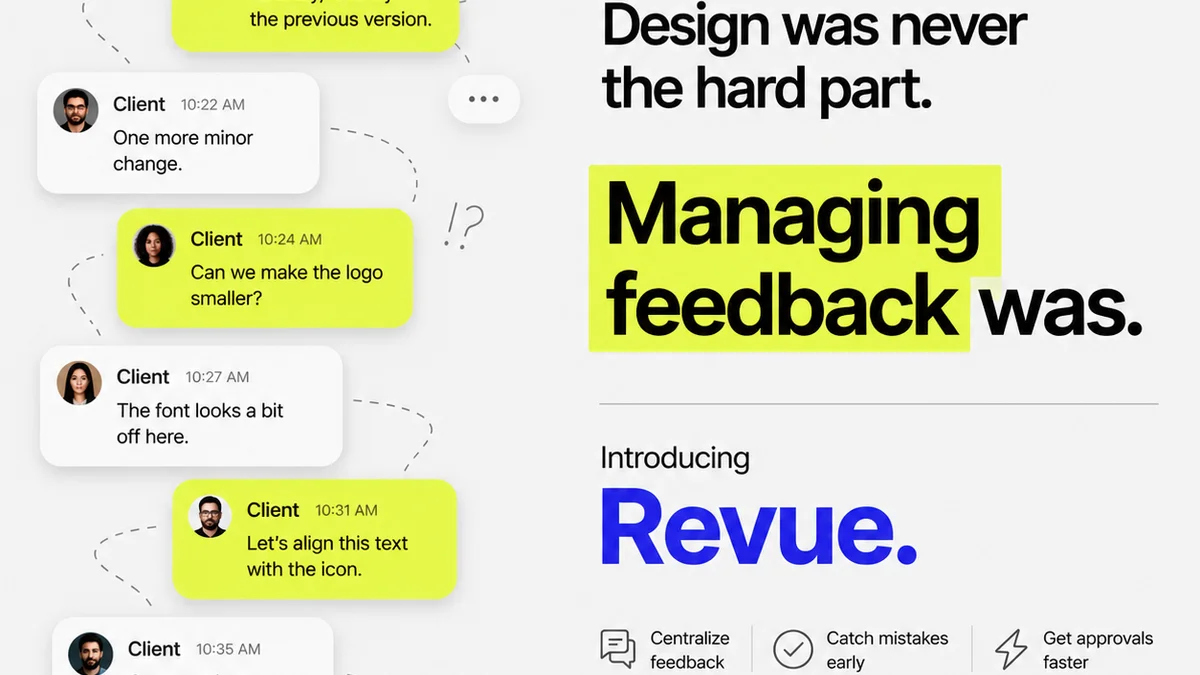
Managing a global brand means juggling feedback, revisions, and approvals across multiple markets and languages. It’s complex. And it’s easy for crucial details to get lost.
Revue is built to bring clarity to this chaos.
- Centralized Feedback: All stakeholders, no matter where they are, can provide feedback directly on the creative assets. No more digging through email chains.
- Version Control & Revision History: Track every change, who made it, and why. This is critical for understanding the evolution of localized content and ensuring accuracy.
- Clear Approval Workflows: Define who needs to sign off on localized versions, ensuring cultural and linguistic accuracy before launch.
- Quality Assurance Checks: Use Revue to run through your localization checklist, ensuring all elements – text, visuals, links – are correctly adapted for each market.
By streamlining these processes, Revue helps ensure your localized campaigns are not only linguistically correct but also culturally relevant and strategically sound.
Final Thought
Localization is a powerful tool for global growth. But it demands more than just translation. It requires empathy, cultural intelligence, and a robust workflow. Are you ready to move beyond words and embrace true cultural adaptation?
Frequently asked questions
What's the difference between translation and localization?
Translation focuses on converting text from one language to another. Localization adapts content, including text, visuals, and cultural references, to resonate with a specific target audience in their local context.
Why is visual localization important?
Visuals carry cultural meaning. Images, colors, and symbols that are acceptable or appealing in one culture might be offensive or misunderstood in another. Localizing visuals ensures your brand message is perceived correctly and positively.
What is transcreation?
Transcreation is a specialized form of translation that focuses on adapting a message's intent, style, tone, and context rather than just its literal words. It's crucial for creative content like marketing campaigns, taglines, and slogans to ensure they have the same impact in a new market.
How can I ensure my localization efforts are effective?
Engage native-speaking transcreation experts, involve local market stakeholders early in the process, conduct thorough cultural research, plan for iteration and feedback, and use a centralized platform like Revue to manage the entire workflow efficiently.