Everyone thinks localization is just translation. You get the copy into another language, swap out a few images, and call it a day. It’s easy, right?
None of that is wrong. But it’s incomplete. Massively incomplete.
The hard truth? Localization is a complex, multi-faceted operation that touches every part of your creative process. Mess it up, and you don’t just risk a bad campaign—you risk alienating entire markets and tanking your client’s brand reputation.
1. Beyond the Words: What Localization Actually Means
Localization, or l10n, is the process of adapting a product or content to a specific locale or market. That locale could be a country, a region, or even a specific demographic. It’s about making something feel native, not just translated.
Cultural Nuances
This goes way beyond swapping out a flag emoji. It means understanding:
- Colors: What does red signify in China versus the West?
- Symbols: Is that common gesture offensive elsewhere?
- Humor: What’s funny in one culture can be baffling or offensive in another.
- Social norms: How do people interact? What are the taboos?
- Values: What drives consumer behavior in that market?
Technical Adaptations
Content isn’t the only thing that might need changing. Think about:
- Date and time formats
- Measurement units (metric vs. imperial)
- Currency
- Phone numbers and addresses
- Legal requirements and disclaimers
- File formats and technical specifications for local platforms
This isn’t a superficial polish. This is deep operational work.
2. The Cost of Ignoring Localization
Many agencies treat localization as an afterthought. A box to tick, a service to outsource at the last minute. This approach is a recipe for disaster.
What happens when you don’t build a robust localization process?
- Brand Damage: Insensitive content or visuals can cause significant backlash. Think of that infamous campaign that used a religious symbol inappropriately.
- Lost Market Share: A product that doesn’t resonate culturally will fail to connect with local consumers.
- Operational Inefficiency: Rushing localization leads to errors, rework, and missed deadlines, costing time and money.
- Legal Repercussions: Failing to meet local regulations or compliance standards can result in fines or legal action.
- Client Dissatisfaction: Ultimately, your client pays the price for your agency’s shortcuts.
These aren’t hypothetical scenarios. They happen every day in agencies that don’t prioritize localization.
3. Building Your Localization Process: A Step-by-Step Approach
A solid localization process needs structure. It needs to be integrated, not bolted on.
3.1. Define Your Scope Early
Before any creative work begins, understand *where* and *for whom* the campaign is intended. This isn’t a question for the final review; it’s a foundational requirement.
Ask your client:
- Which markets are you targeting?
- What are the primary languages?
- Are there specific cultural considerations for these markets?
- What are your competitors doing in these markets?
3.2. Assemble Your Localization Toolkit
You’ll need more than just Google Translate. Consider:
- Translation Management Systems (TMS): Tools that manage the entire translation workflow, from assignment to delivery.
- Machine Translation (MT) with Post-Editing (MTPE): For high-volume content, MT can be a starting point, but human review is essential.
- Glossaries and Style Guides: Develop a central repository of approved terminology, brand voice, and cultural do's and don'ts for each market.
- Local Expertise: Partner with native-speaking translators, cultural consultants, and legal experts in your target markets.
3.3. Integrate Localization into Project Management
Localization shouldn’t be a separate track. It needs to be part of the main project timeline and budget from the start.
Early Briefing: Ensure the creative brief explicitly states localization requirements. This informs the initial creative concepting.
Asset Management: How will source files (design, video, audio) be managed and shared with localization teams? Think about file naming conventions and version control.
Review Cycles: Build in specific review stages for localization. This includes:
- Linguistic review (accuracy, tone, style)
- Cultural review (appropriateness, sensitivity)
- Technical review (format, functionality)
Budgeting: Localization costs money. Factor in translation, editing, cultural adaptation, and any required asset modifications upfront.
3.4. Content Adaptation Strategies
Not all content translates directly. Sometimes, you need to adapt.
Transcreation: For marketing and advertising, transcreation is key. It’s about recreating the *intent*, *style*, *tone*, and *context* of the original message, not just translating the words. This is where creative skill meets linguistic expertise.
Visual Adaptation: Images, illustrations, and even video footage might need to be changed to avoid cultural insensitivity or to better resonate with the target audience.
User Interface (UI) / User Experience (UX): For digital products, UI elements, navigation, and overall user flow might need adjustments based on local user habits and expectations.
3.5. Quality Assurance (QA) for Localization
This is non-negotiable. A dedicated QA process ensures everything is correct before launch.
Linguistic QA: Native speakers check for grammatical errors, typos, and stylistic inconsistencies in the translated content.
Functional QA: Test the localized product or website to ensure all links, forms, and interactive elements work as expected in the target locale.
Cosmetic QA: Verify that text fits within design constraints, images are correctly displayed, and layouts are not broken.
Contextual QA: Does the overall message and campaign feel right for the target market? This often requires a final sign-off from a local market expert or client representative.
4. Where Revue Fits In
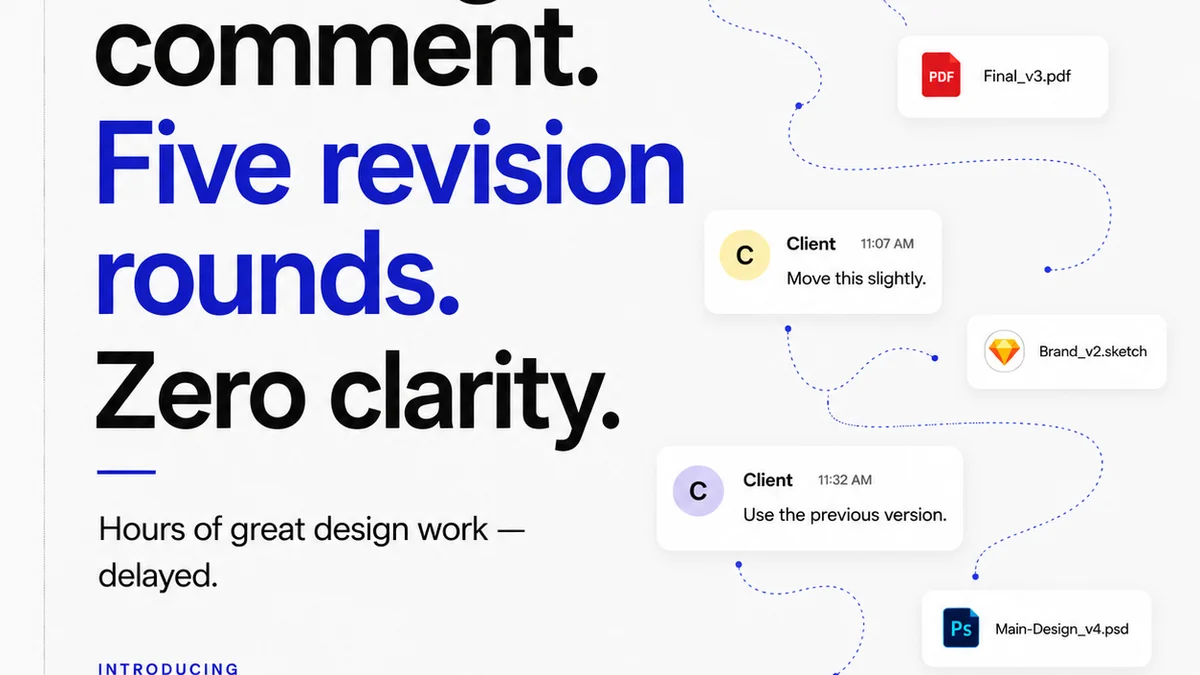
Managing a global campaign with multiple languages and markets can quickly become chaotic. Feedback gets lost, revisions are unclear, and approvals can be a nightmare.
Revue provides a centralized platform to streamline these complex workflows.
- Centralized Feedback: All client comments, whether for the source content or localized versions, are captured in one place. No more hunting through emails or scattered documents.
- Revision Visibility: Track every change made to the creative assets, ensuring that feedback has been addressed accurately across all localized versions.
- Approval Management: Streamline the approval process for each localized asset, ensuring stakeholders in different regions can sign off efficiently and transparently.
- Quality Control: By keeping all versions and feedback organized, you reduce the risk of errors slipping through the cracks during the crucial QA phase.
A structured process is essential, and the right tools make that process manageable.
5. Final Thought
Localization isn't just about reaching new markets; it's about respecting them. It’s about demonstrating that you understand and value your audience's unique cultural context.
Are you building a process that truly respects your audience, or are you just translating?
Frequently asked questions
What's the difference between localization and translation?
Translation is the conversion of text from one language to another. Localization is a broader process that adapts content and products to a specific locale, considering cultural nuances, technical requirements, and local customs beyond just the language itself.
How much does localization typically cost?
Costs vary significantly based on the scope, number of languages, content volume, and the level of adaptation required (e.g., transcreation vs. basic translation). It's crucial to budget for localization as a distinct line item from the project's outset.
Can we use machine translation for localization?
Machine translation (MT) can be a useful starting point for high-volume content, but it's rarely sufficient on its own. Human post-editing by professional translators and cultural reviewers is essential to ensure accuracy, cultural appropriateness, and brand voice consistency.
What are the biggest risks of poor localization?
The biggest risks include brand damage due to cultural insensitivity, loss of market share because the product or campaign doesn't resonate, operational inefficiencies leading to missed deadlines and budget overruns, and potential legal or compliance issues in target markets.