Everyone agrees localization is crucial for global growth. And most teams think that means finding a good translator. That’s a start. It’s also wildly insufficient.
The hard truth? Effective localization is an operational challenge, not just a linguistic one. It requires a suite of tools that go far beyond a translation memory database. It’s about managing complexity, ensuring consistency, and maintaining quality across every touchpoint.
1. Centralized Translation Management Systems (TMS)
This is your foundational layer. A TMS isn't just for storing translations; it's about orchestrating the entire localization workflow.
Think of it as the command center for all your multilingual content. It handles project initiation, resource allocation, workflow automation, and quality assurance. Without it, you’re juggling spreadsheets and email chains, which is a fast track to chaos.
Key Features to Look For:
- Workflow Automation: Automate routing of content to translators, reviewers, and approvers based on predefined rules.
- Integration Capabilities: Connect seamlessly with your CMS, DAM, or other content repositories to pull source content and push translated assets.
- Centralized Glossaries & Style Guides: Ensure brand consistency and terminology accuracy across all languages.
- Reporting & Analytics: Track project progress, turnaround times, costs, and vendor performance.
- Collaboration Tools: Facilitate communication between project managers, translators, and internal stakeholders.
A robust TMS eliminates manual handoffs and reduces the potential for errors. It brings order to what can otherwise be a deeply complex process.
2. Robust Version Control for Assets
Localization often involves more than just text. Images, videos, UI elements – they all need to be adapted. This means managing multiple versions of various assets.
Imagine launching a campaign in Germany, only to realize the image you used in France is culturally inappropriate. Or worse, you send out a marketing video with text overlays that are now outdated in every new market.
Version control systems, like Git (often used by dev teams but adaptable) or specialized Digital Asset Management (DAM) systems with strong versioning, are critical.
Why It Matters:
- Track Changes: Easily see what has been modified, when, and by whom.
- Rollback Capabilities: Quickly revert to previous versions if a mistake is made or a new direction is needed.
- Branching Strategies: Allow teams to work on different language versions or asset adaptations simultaneously without conflict.
- Audit Trails: Maintain a clear history for compliance and accountability.
This prevents confusion and ensures that the right version of an asset is always being worked on and deployed. It’s about preventing costly rework and embarrassing mistakes.
3. Context-Aware Translation Tools
Translation Memory (TM) and Terminology Management (TermBase) are essential, but they’re only part of the story. True localization requires context.
A translator working on a UI string needs to see where that string appears in the application. A copywriter adapting marketing copy needs to understand the campaign’s objective and target audience for that specific market.
Modern CAT (Computer-Assisted Translation) tools and TMS platforms offer features that provide this context:
- Integrated Previews: Display source content within its original layout (e.g., a webpage preview, a software interface).
- Segmentation: Break down content into manageable chunks that retain their meaning within a larger sentence or paragraph.
- In-Context Review: Allow reviewers to see translations directly within the target environment before final deployment.
This level of contextual understanding is what separates good translation from truly effective localization. It ensures nuance, tone, and cultural relevance are maintained.
4. Quality Assurance (QA) & Linguistic Review Platforms
Translation isn’t inherently perfect. Even the best translators can make mistakes, or content might not align with local market expectations.
This is where dedicated QA and linguistic review tools come into play. They go beyond simple spell-checking.
These platforms automate checks for:
- Consistency: Ensure terms, phrases, and brand messaging are used uniformly across all content and languages.
- Formatting: Check for issues like incorrect character encoding, broken tags, or layout problems.
- Completeness: Verify that all translatable content has been processed and translated.
- Linguistic Accuracy: Flag potential grammatical errors, awkward phrasing, or incorrect terminology based on predefined rules and dictionaries.
Many TMS platforms have built-in QA modules, but specialized QA tools can offer more advanced, automated checks. The goal is to catch errors *before* they reach the end-user.
5. Communication & Project Management Hub
Localization involves multiple stakeholders: project managers, translators, reviewers, subject matter experts, developers, and marketing teams. Keeping everyone aligned is a monumental task.
You need a central place for communication and task management that is specifically designed to handle the nuances of localization projects.
This isn’t just about Slack channels. It’s about having a system that tracks:
- Task Assignments & Deadlines: Who is doing what, and when is it due?
- Feedback Loops: How is feedback collected, reviewed, and actioned?
- Issue Tracking: Where are the roadblocks, and how are they being resolved?
- Notifications & Alerts: Keeping everyone informed of critical updates.
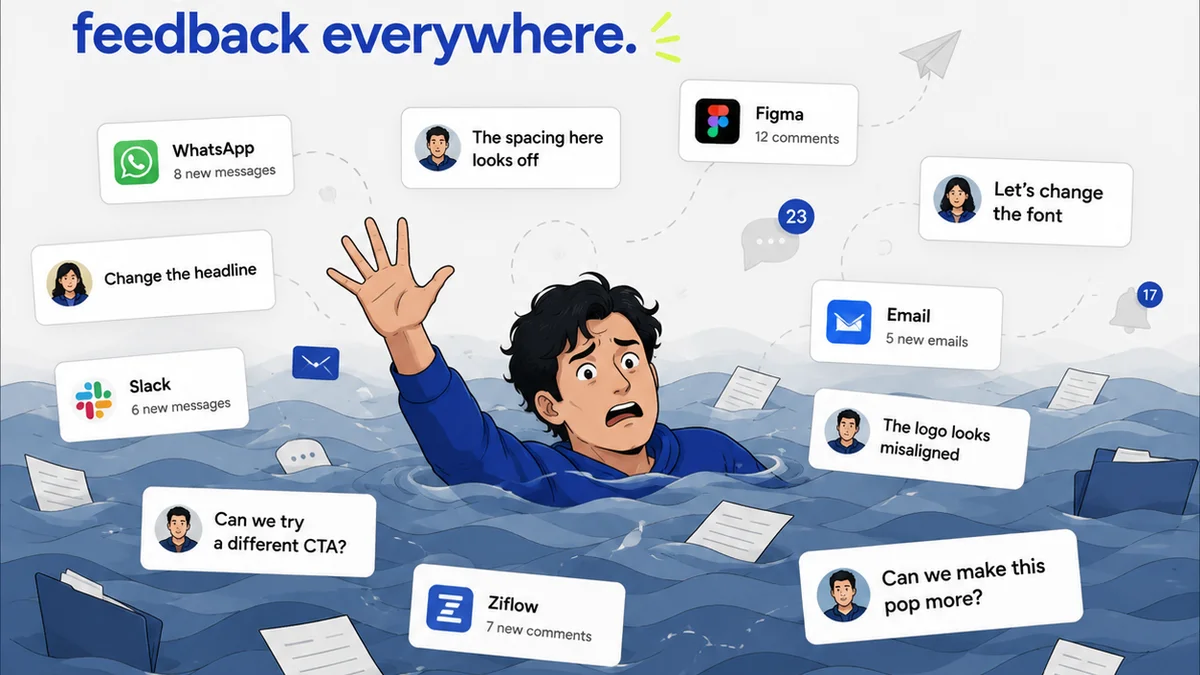
This hub ensures that communication is contextual, traceable, and doesn’t get lost in email threads or ephemeral chat messages. It keeps the project moving forward efficiently.
Where Revue Fits In
While Revue isn't a TMS or a translation tool, it addresses a critical gap in the localization workflow: managing feedback and approvals for localized creative assets.
Imagine you’ve produced a localized video or a multilingual website mockup. How do you collect feedback from your regional marketing teams? How do you ensure those edits are clear, actionable, and don’t introduce new errors?
Revue provides a centralized platform for visual feedback. Stakeholders can comment directly on specific elements of an image, video, or design mock-up. This eliminates ambiguity and ensures that feedback is tied to the exact asset and the precise location needing attention.
For localized content, this means:
- Clear, Visual Feedback: German marketing can pinpoint an issue on a banner ad, and the design team sees exactly what they mean, in context.
- Streamlined Approvals: Track the review and approval process for localized assets, ensuring they meet regional standards before going live.
- Revision Tracking: Maintain a clear history of changes and approvals for each localized asset, providing an audit trail.
By centralizing feedback and approvals, Revue helps ensure that localized creative work is not only linguistically accurate but also culturally appropriate and aligned with regional market strategies, all before it’s finalized.
Final Thought
Localization is more than just translating words. It's about cultural adaptation, strategic market entry, and building genuine connections with a global audience.
Are your tools set up to handle the operational complexity of that mission? Or are you still relying on guesswork and a prayer?
Frequently asked questions
What is the difference between translation and localization?
Translation focuses on converting text from one language to another. Localization adapts content, products, and services to a specific locale, considering cultural nuances, local customs, and regional preferences beyond just language. It's about making the content feel native to the target audience.
How does a Translation Management System (TMS) help?
A TMS centralizes and automates the entire localization workflow. It manages translation projects, connects with translators, stores translation memories and glossaries, automates routing, and facilitates quality checks, significantly improving efficiency and consistency.
Why is version control important for localization?
Localization often involves adapting not just text but also images, videos, and UI elements. Version control ensures that all stakeholders are working with the correct versions of assets, tracks changes, allows for rollbacks, and maintains an audit trail, preventing errors and rework.
Can Revue replace a TMS?
No, Revue is not a direct replacement for a TMS. Revue focuses on centralizing visual feedback and approvals for creative assets. While a TMS manages the translation process itself, Revue helps ensure that localized creative deliverables are reviewed, approved, and meet regional standards before final deployment.