Everyone’s talking about AI automating magazine production by 2026. They predict a seamless flow from AI-generated content to automated layout, with minimal human touch. None of that is wrong. But it’s incomplete.
The hard truth is that the real revolution in magazine production workflow isn't about replacing humans with machines. It's about humans and machines working together, smarter and faster, on the parts that matter most: creativity, strategy, and client relationships.
1. The AI Content Co-Pilot: Augmentation, Not Automation
The narrative often paints AI as a fully autonomous content creator. This is a fantasy for complex editorial work. Think beyond AI writing entire articles from scratch. The immediate, practical impact is AI as a powerful co-pilot.
Content Ideation and Research
AI can sift through vast datasets to identify trending topics, analyze competitor content, and even suggest story angles based on audience data. This frees up editors to focus on strategic direction and unique perspectives, rather than getting bogged down in initial research.
Drafting and Editing Assistance
AI tools will excel at generating first drafts of routine content, summarizing lengthy reports, or suggesting alternative phrasing for clarity. They can also perform initial grammar and style checks, flagging inconsistencies before a human editor even sees the text.
This isn't about AI replacing writers. It's about AI handling the grunt work, allowing writers to focus on narrative, voice, and deep dives that AI can't replicate.
Data-Driven Storytelling
Imagine AI analyzing user engagement metrics to suggest which data points would resonate most with readers, or even generating initial charts and graphs from raw data. This empowers editorial teams to craft more compelling, data-backed narratives.
2. The Evolving Role of the Designer: From Pixels to Strategy
Designers have always been more than just pixel pushers. By 2026, this will be undeniable. The workflow shift places greater emphasis on strategic design thinking and less on repetitive manual tasks.
AI-Assisted Layout and Asset Generation
Tools will emerge that can suggest layout variations based on content type, brand guidelines, and even past performance data. AI might generate multiple placeholder image options or even basic graphic elements. Designers will then curate, refine, and elevate these starting points.
Interactive and Dynamic Content
The demand for more engaging digital magazine experiences will grow. This means designers need to think in terms of interactivity, animation, and data visualization. AI can assist in prototyping these elements, but the creative vision and user experience design remain human-led.
Brand Consistency at Scale
AI can help maintain brand consistency across multiple assets and platforms by flagging deviations from established design systems. This allows designers to focus on creative problem-solving rather than policing every minor detail.
The designer of 2026 is a strategic partner, not just an executor.
3. Streamlined Production: The Centralized Command Center
The chaotic, siloed workflows of the past are unsustainable. Future magazine production demands a unified approach where every stakeholder has visibility and can contribute efficiently.
Integrated Project Management
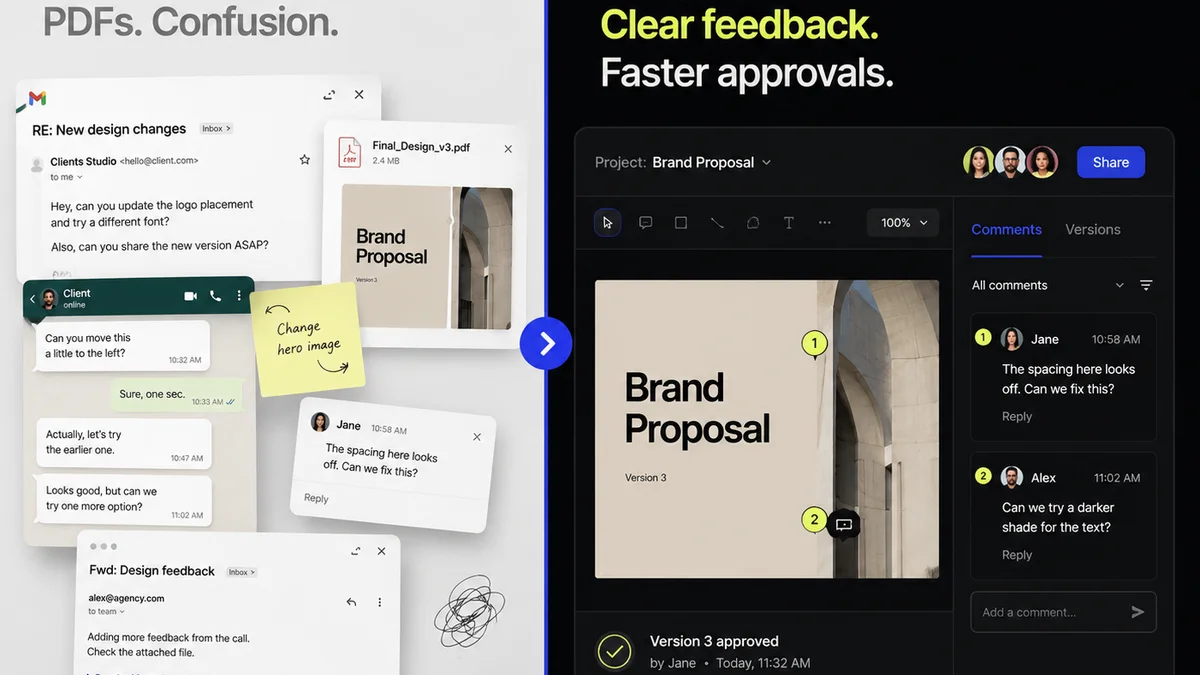
Gone are the days of juggling emails, Slack messages, and scattered documents. A centralized platform becomes the single source of truth for all project assets, feedback, and approvals. This reduces miscommunication and accelerates timelines.
Automated Revision Tracking
AI can help track changes, identify conflicting feedback, and even suggest resolutions based on project scope and client history. This brings clarity to the revision process, a notorious bottleneck in creative production.
Quality Assurance Automation
Automated checks for technical specifications (like bleed, resolution, color profiles), accessibility compliance (e.g., WCAG guidelines), and even basic content errors will become standard. This ensures a higher baseline quality before human review.
This isn't about removing human oversight, but about augmenting it with smart automation.
4. Client Collaboration: The Human Connection Amplified
Technology can facilitate collaboration, but it can never replace the trust and understanding built through human interaction. The future of magazine production workflow hinges on enhancing this connection.
Transparent Feedback Loops
Clients need to see where their feedback is being implemented and understand the implications of their requests. A clear, visual feedback system provides this transparency, reducing back-and-forth and building confidence.
Proactive Communication
By automating the mundane, teams have more time for strategic client conversations. This means anticipating client needs, offering proactive solutions, and building stronger, more collaborative partnerships.
Data-Informed Client Discussions
Presenting performance data and insights to clients becomes easier with integrated analytics. This allows for more informed discussions about content strategy and future direction, moving beyond subjective opinions.
The human element – empathy, strategic thinking, and relationship building – becomes the differentiator.
Where Revue Fits In
Navigating this evolving magazine production workflow requires tools that bridge the gap between human creativity and technological efficiency. This is where a platform like Revue can make a significant impact.
By centralizing all client feedback, managing revisions with clear visibility, and streamlining the approval process, Revue empowers creative teams to focus on what they do best: creating exceptional content and building strong client relationships. Automated quality checks, integrated within a unified workflow, ensure that every deliverable meets the highest standards, faster and more reliably.
5. The Imperative of Adaptability and Continuous Learning
The pace of technological change is relentless. The magazine production workflow of 2026 will look different again by 2030.
Embracing New Tools
Teams must be willing to experiment with new AI tools and integrate them into their existing processes. This requires a culture of curiosity and a willingness to learn.
Upskilling and Reskilling
Roles will evolve. Designers might need to develop skills in interactive prototyping, editors in prompt engineering, and project managers in AI workflow integration. Continuous learning is no longer optional.
Iterative Process Improvement
The workflow itself should be treated as a living document. Regularly evaluating what's working, what's not, and where technology can further optimize processes is crucial.
Agility isn't just a buzzword; it's a survival strategy.
Final Thought
The future of magazine production isn't a dystopian AI takeover. It's a sophisticated collaboration between human ingenuity and artificial intelligence. Are you building a workflow that leverages both, or clinging to the past?
Frequently asked questions
Will AI replace editors and designers in magazine production?
AI will augment, not replace, editors and designers. It will handle repetitive tasks, data analysis, and initial drafts, freeing humans to focus on creativity, strategy, critical thinking, and client relationships.
What is the biggest workflow challenge for magazine production in the near future?
The biggest challenge is integrating new AI tools effectively while maintaining strong human collaboration and strategic oversight. Siloed workflows and resistance to change will hinder progress.
How can agencies prepare their magazine production teams for 2026?
Prepare by fostering a culture of continuous learning, investing in cross-training for new technologies, and adopting centralized platforms that enhance both human collaboration and automated processes.
What role does centralized feedback play in modern magazine production?
Centralized feedback is crucial for efficiency. It eliminates confusion from scattered communications, ensures all stakeholders see the same version, and streamlines the revision and approval process, accelerating delivery.