Everyone thinks creative directors just brainstorm cool ideas. That’s only a fraction of the job. The real work? It’s wrangling the chaos of magazine production into something brilliant.
Most CD’s focus on the aesthetic. The layout. The typography. The photography. They agonize over the perfect shade of blue or the ideal kerning. And that’s important.
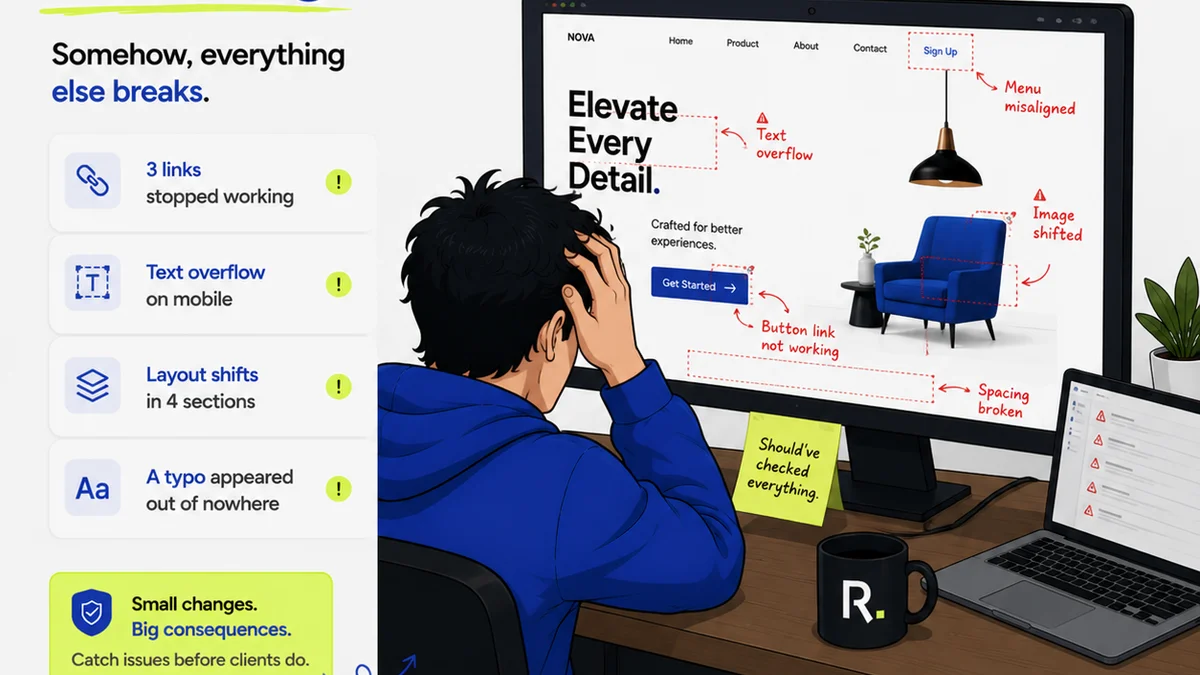
But behind every visually stunning magazine is a robust, often invisible, production workflow. Miss one step, mismanage one detail, and your beautiful vision crumbles.
This isn't about pretty pictures. It’s about operational excellence. It’s about the grind that makes the magic happen.
1. The Deep Truth: Production Isn't Just Execution, It's Strategy
The common assumption is that production is where the creative director’s job ends and the production manager’s begins. That creative is the ‘what’ and production is the ‘how’.
This is fundamentally wrong.
A truly effective magazine production workflow is a strategic endeavor. It’s woven into the creative process from day one. It dictates what’s possible, what’s efficient, and what’s ultimately deliverable on time and on budget.
Your creative decisions have downstream production implications. And your production capabilities should inform your creative ambitions.
Ignoring this feedback loop is a fast track to missed deadlines, blown budgets, and a stressed-out team.
2. Pre-Production: Laying the Foundation for Success
This is where the real game is won or lost. Many agencies rush through this phase, eager to get to the ‘fun’ creative part. Big mistake.
Defining Scope and Deliverables
Before a single pixel is designed or a word is written, you need crystal clarity on:
- The exact size and format of the magazine.
- The target print run and distribution method.
- The number of pages and sections.
- The required content types (articles, interviews, ads, etc.).
- Any special printing requirements (varnishes, coatings, paper stock).
- The overall budget allocation for design, editorial, and print.
Ambiguity here is your enemy. Every assumption must be documented and agreed upon.
Establishing the Timeline
Work backward from the print deadline. This is non-negotiable. Every other milestone must align with this final date.
Key milestones include:
- Editorial deadlines (first draft, final copy).
- Design concept approval.
- Layout completion for each section.
- Image sourcing and retouching deadlines.
- Advertising space deadlines.
- Proofing rounds.
- Final print file submission.
Build in buffer time. Things *always* take longer than you think.
Team Roles and Responsibilities
Who owns what? Clear delineation prevents dropped balls.
- Creative Director: Overall vision, brand consistency, final creative approval.
- Art Director: Visual style, layout direction, image selection.
- Editor-in-Chief: Editorial content, tone, fact-checking.
- Writers/Journalists: Content creation.
- Designers: Layout, typography, graphic elements.
- Photographers/Illustrators: Visual assets.
- Production Manager: Workflow oversight, vendor management, file prep, scheduling.
- Proofreaders: Error checking.
Ensure everyone understands their role and the handoffs between them.
3. Content Creation and Editorial Workflow
This is the heart of the magazine. A smooth editorial process is paramount.
Briefing and Assignment
Every article needs a clear brief: topic, angle, target word count, key points to cover, tone of voice, and deadline. This comes from the editor, but the CD should ensure it aligns with the overall magazine vision.
Writing and Editing Cycles
Expect multiple rounds of edits. First edit: structure and content. Second edit: line editing for style and clarity. Third edit: proofreading for grammar, spelling, and punctuation.
This is where version control becomes critical. Use a system that tracks changes and prevents multiple people from editing the same document simultaneously.
Fact-Checking and Legal Review
Accuracy builds trust. Implement a rigorous fact-checking process, especially for non-fiction content. If necessary, include a legal review for sensitive topics or potential liabilities.
4. Design and Layout: Bringing the Content to Life
This is where the visual narrative takes shape. It requires tight collaboration between editorial and design.
Style Guides and Templates
A comprehensive style guide is your bible. It covers typography, color palettes, grid systems, image treatment, and branding guidelines. Templates ensure consistency across pages and sections.
Adhering to a consistent visual language is what makes a magazine feel cohesive and professional.
Grid Systems and Layout Principles
A well-defined grid provides structure and allows for flexibility. It guides the placement of text, images, and other elements, ensuring visual harmony and readability.
Principles from established design systems, like those found in Material Design, can offer valuable insights into creating balanced and functional layouts, even for print.
Image Sourcing, Editing, and Placement
High-quality imagery is crucial. Sourcing should align with the editorial brief and the overall art direction.
Retouching needs to be consistent. Ensure skin tones are natural, colors are accurate, and any manipulation serves the story, not detracts from it.
Placement is an art. Images should complement the text, guide the reader’s eye, and create visual interest.
Typography Choices
Font selection and hierarchy are key to readability and tone. Ensure a clear distinction between headlines, subheadings, body copy, and captions. Legibility is paramount for long-form content.
5. Advertising Integration
Ads are often a necessary revenue stream, but they must be handled carefully to not disrupt the reader experience.
Ad Placement Strategy
Where ads are placed can impact their effectiveness and how readers perceive the editorial content. Full-page ads are easier, but integrated smaller ads require careful consideration of the surrounding editorial.
Ad Size and Format Consistency
Work with advertisers to ensure their assets meet your specifications. Inconsistent ad sizes and formats can break the magazine’s visual flow.
Clear Separation from Editorial
Use design cues (borders, background colors, spacing) to clearly distinguish ads from editorial content. This maintains reader trust.
6. Proofing and Quality Control
This is the final gate before printing. Skimping here is malpractice.
Multiple Rounds of Proofreading
Never rely on a single proofread. Have fresh eyes review the content at different stages. Catching typos, grammatical errors, and factual inaccuracies is vital.
Color Proofing
Digital proofs are not enough. Obtain physical color proofs (like contract proofs) to ensure colors will print as intended. What looks good on screen can be drastically different on paper.
Pre-press Checks
Before files go to the printer, they need rigorous pre-press checks. This includes:
- Ensuring correct color modes (CMYK, not RGB).
- Checking image resolution (typically 300 dpi for print).
- Verifying bleed and trim settings.
- Confirming fonts are embedded or outlined.
- Checking for overprint issues.
Printers often provide checklists for these items.
Final Sign-off
A designated person, usually the CD or Production Manager, must give the final sign-off. This is the point of no return.
7. Printing and Distribution
The physical manifestation of your work.
Printer Selection and Management
Choose a printer experienced with the type of publication you’re creating. Maintain open communication throughout the printing process.
Managing Print Runs
Accurate counts are essential. Too few copies mean missed opportunities; too many mean wasted resources.
Distribution Logistics
How will the magazine reach its audience? Whether by mail, newsstand, or direct delivery, logistics must be planned and executed flawlessly.
Where Revue Fits In
Managing this complex magazine production workflow requires clear communication and centralized control. That’s where a tool like Revue becomes invaluable.
Imagine this:
- Centralized Feedback: All stakeholder feedback—from editorial notes to client approvals—lives in one place. No more hunting through endless email chains or scattered Slack messages.
- Revision Visibility: Track every change, every iteration, and who approved what. This creates an immutable audit trail, crucial for accountability and project management.
- Quality Check Streamlining: Use Revue to manage proofing rounds, ensuring all necessary checks are performed and signed off before files go to print.
Revue helps bridge the gap between the creative vision and the operational reality, ensuring that the intricate steps of magazine production are managed efficiently and transparently.
Final Thought
The glamour of magazine creation often overshadows the meticulous operational discipline required. As a creative director, mastering the production workflow isn't about getting your hands dirty with the printing press; it's about understanding the entire journey from concept to delivery.
It’s about leading with a strategic eye that balances creative ambition with practical execution.
Are you truly directing the entire production, or just the pretty parts?
Frequently asked questions
What are the key stages of a magazine production workflow?
The key stages include pre-production (planning, scope, timeline), content creation (writing, editing), design and layout, advertising integration, proofing and quality control, and finally, printing and distribution.
Why is pre-production so important in magazine production?
Pre-production is crucial because it lays the foundation for the entire project. Clearly defining scope, deliverables, timelines, and team roles upfront prevents costly mistakes, missed deadlines, and confusion later in the process.
How can a creative director ensure brand consistency throughout the magazine?
A creative director ensures brand consistency by establishing and enforcing a detailed style guide that covers typography, color palettes, imagery, and layout principles. Consistent application of these guidelines across all pages is key.
What is the role of proofreading and quality control in magazine production?
Proofreading and quality control are the final checks to catch errors in content, grammar, spelling, and design before printing. This includes multiple rounds of proofreading, color proofing, and pre-press checks to ensure a polished final product.
How does a tool like Revue help in managing a magazine production workflow?
Revue centralizes feedback, tracks revisions and approvals, and streamlines quality checks. This provides a clear audit trail and enhances communication, making the complex workflow more manageable and transparent for the entire team.