Everyone talks about the creative process. The spark of an idea, the design, the writing. For enterprise teams, especially those churning out regular publications like magazines, this is only half the story. The other half? The relentless, often messy, production workflow. Many assume that because you have dedicated teams and budgets, your magazine production workflow is inherently efficient. That’s a nice thought. But it’s incomplete.
The hard truth is that scale amplifies every single inefficiency. What works for a small team breaks under the weight of multiple stakeholders, complex approval chains, and the sheer volume of assets required for a professional magazine.
1. The Illusion of Control: Centralization vs. Silos
You’ve probably heard that centralization is key. Having a central hub for assets, approvals, and communication. This sounds simple enough on paper. But in practice, enterprise operations are rarely monolithic. They’re often a collection of specialized departments, external agencies, and remote contributors.
Each of these groups operates within its own ecosystem. This leads to:
- Fragmented communication channels.
- Disparate tools and software.
- Conflicting versions of assets.
- Opaque approval processes.
- Difficulties in tracking project status.
This isn't a lack of effort; it's a natural consequence of distributed work and specialized roles. Without a unified system, your workflow becomes a series of handoffs, each one a potential point of failure.
2. Managing the River of Feedback
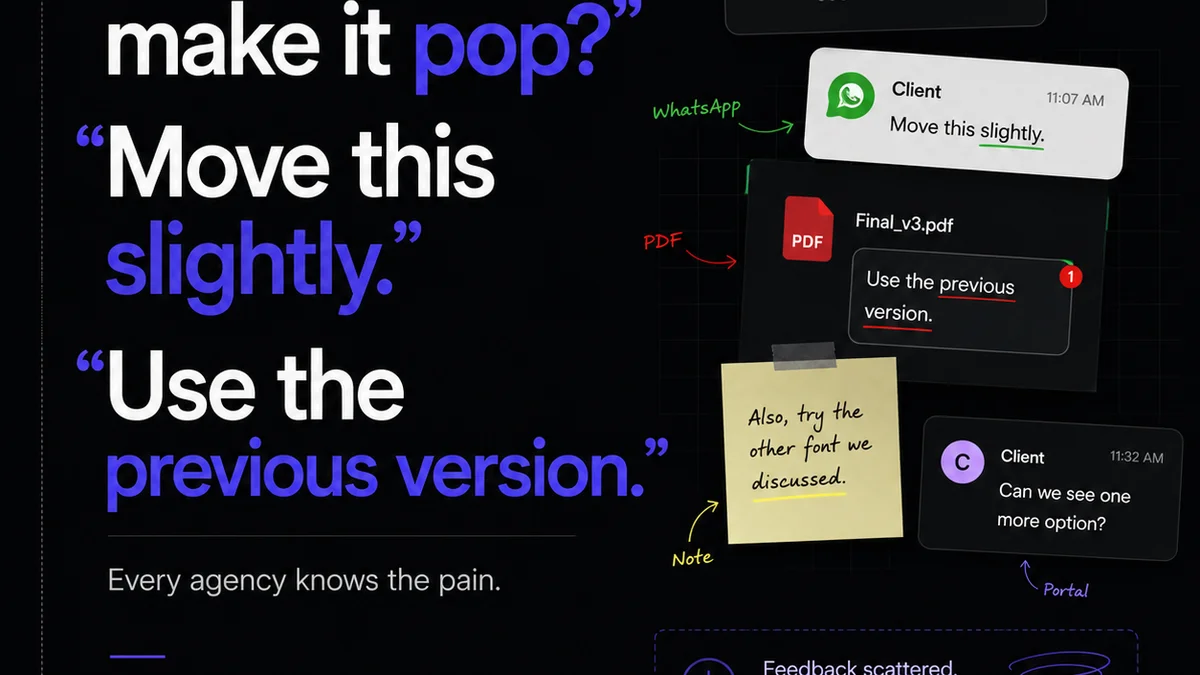
Feedback is the lifeblood of creative work. For a magazine, this means input from editorial, marketing, legal, brand compliance, and executive leadership. Imagine a single article undergoing review by five different departments, each providing feedback in their own preferred format – email, separate documents, scribbled notes.
The challenge isn't just collecting the feedback; it's consolidating, prioritizing, and acting on it without losing context or introducing errors. This is where workflows often bog down.
The Feedback Black Hole
Feedback gets lost. It’s contradictory. It’s vague. And worst of all, it’s often not tracked. Who gave what feedback? When? Was it addressed? Was it ignored? Without clear visibility, you’re flying blind.
Revision Rounds That Never End
Endless revision rounds aren’t a sign of indecisiveness; they’re usually a symptom of a broken feedback loop. If the original intent or the feedback itself isn't clearly communicated and tracked, you’ll keep going in circles.
3. The Approval Bottleneck: More Than Just a Signature
Approvals are critical gatekeepers. For an enterprise magazine, this can involve legal clearance for claims, brand compliance checks, and final sign-off from senior management. A single delay can cascade and impact the entire publication schedule.
The problem is that traditional approval methods are inefficient and lack transparency.
- Manual Tracking: Relying on emails or spreadsheets to track who needs to approve what.
- Lack of Urgency: Approvers may not understand the time-sensitivity or impact of their delay.
- Version Control Chaos: Approving the wrong version of a page or article.
- Audit Trails: Difficulty in proving who approved what, when, and why.
This isn't just about getting a signature; it’s about ensuring accountability and maintaining momentum.
4. Quality Control: The Unseen Cost of Rushed Production
Beyond the core creative and approval steps, there’s the crucial element of quality control. This includes:
- Proofreading: Ensuring flawless copy.
- Fact-Checking: Verifying all information.
- Image Quality: Checking resolution, color profiles, and licensing.
- Layout Consistency: Ensuring adherence to brand guidelines and design templates.
- Technical Specs: Meeting printer requirements or digital publishing standards.
When production timelines are compressed, quality control is often the first casualty. This leads to errors that damage brand credibility and require costly reprints or digital fixes.
Where Revue Fits In
Enterprise magazine production demands a workflow that can handle complexity, manage multiple stakeholders, and maintain brand integrity. This is where a centralized platform designed for creative collaboration becomes indispensable.
Revue provides a single source of truth for your entire magazine production process. It streamlines how you:
- Centralize Feedback: Consolidate all stakeholder comments directly on the creative assets, eliminating scattered emails and documents.
- Manage Revisions: Track every version of every page or article, ensuring everyone is working with the latest iteration.
- Gain Approval Visibility: Clearly define approval stages, assign approvers, and track progress in real-time, removing bottlenecks and providing clear audit trails.
- Perform Quality Checks: Integrate quality assurance steps into your workflow, ensuring all necessary checks are completed before final sign-off.
By bringing all these elements together, Revue helps enterprise teams move from reactive firefighting to proactive, efficient production. It’s about building a robust magazine production workflow that supports your creative output, not hinders it.
Final Thought
Enterprise magazine production is a complex ballet of creativity, logistics, and stakeholder management. The assumption that scale equals efficiency is a dangerous myth. The real challenge lies in building a workflow that can orchestrate these moving parts without dropping the ball. Are you building a system that supports your production, or one that fights against it?
Frequently asked questions
What are the biggest challenges in enterprise magazine production?
Enterprise magazine production faces challenges like managing numerous stakeholders, consolidating feedback from disparate sources, maintaining version control across many assets, navigating complex approval chains, and ensuring consistent quality control under tight deadlines.
How can I centralize feedback for a large publication?
Centralization involves using a single platform where all stakeholders can provide feedback directly on the creative assets. This eliminates scattered emails, documents, and notes, creating a unified record of all comments and discussions.
What is the role of approvals in magazine production?
Approvals serve as critical gatekeeping steps to ensure legal compliance, brand consistency, and executive alignment. In enterprise settings, clear and tracked approval processes are vital to prevent delays and ensure accountability.
How does workflow management improve magazine output?
Effective workflow management brings structure to the production process, enabling better tracking of tasks, clearer communication, efficient feedback loops, and streamlined approvals. This leads to fewer errors, reduced revision cycles, and more predictable delivery times.