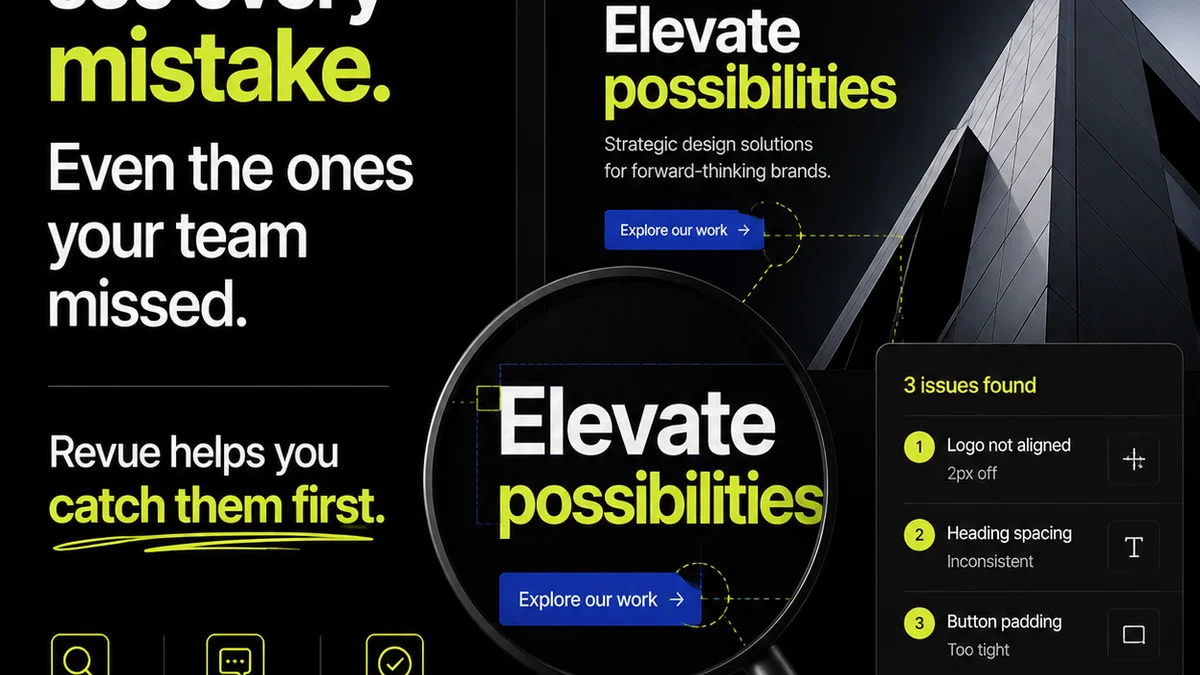
Everyone *knows* brand consistency is crucial. You've got your style guides, your brand police, your endless Slack channels dedicated to policing pantone codes. You think if you just drill it into your team hard enough, they’ll magically start applying it across the hundreds, maybe thousands, of marketing assets you churn out every year.
None of that is wrong. But it’s incomplete.
The real truth? Brand consistency isn't a matter of *more rules*. It’s a matter of *better process*. It’s about building systems that make the right choice the easy choice, for everyone, every single time.
1. The Myth of the Perfect Style Guide
Your brand guidelines are probably fantastic. Comprehensive. Beautifully designed. They cover every permutation of your logo, every shade of your primary blue, every acceptable font pairing. You’ve spent weeks, maybe months, perfecting them.
And your team? They probably haven’t read them past page five. Or they open them, find the specific asset they need, copy it, and paste it, hoping for the best.
Style guides are essential. They’re the North Star. But they are not a workflow.
Guidelines vs. Workflow
A style guide is a document. A workflow is a series of actions.
Think about it: your designers might be working on a dozen projects simultaneously. Your copywriters are juggling campaign slogans and website copy. Your social media manager is cranking out posts faster than you can say “brand voice.”
In that chaos, the style guide sits, pristine and untouched, on a shared drive. It’s a reference, not a guardrail.
2. The Real Culprits of Inconsistency
If it’s not a lack of guidelines, what is it? It’s the friction points in your daily operations.
- Siloed Teams: Marketing, design, sales, product – they all operate with their own tools and processes, leading to different interpretations of brand assets.
- Version Control Nightmares: How many times has someone used an old logo because they downloaded it last year and never checked for updates?
- Feedback Fragmentation: Client feedback comes through email, Slack, DMs, and even carrier pigeon. Each channel risks a different interpretation or a missed instruction.
- Tool Sprawl: Using a dozen different apps for design, asset management, project management, and communication creates gaps where brand drift happens.
- Time Pressure: When deadlines loom, adherence to the style guide often becomes the first casualty. “Good enough” starts to look a lot like “not quite right.”
These aren't character flaws. They're operational realities for busy teams.
3. Building Guardrails, Not Just Guidelines
So, how do you bake consistency into the *doing*? You build systems that prevent inconsistency before it happens.
Centralize Your Assets
This sounds obvious, but are your master brand assets truly accessible and up-to-date for *everyone* who needs them? Not just the design team, but marketing, sales, even external partners.
A Digital Asset Management (DAM) system is table stakes for any serious operation. But even a well-organized cloud storage folder with clear naming conventions and version history can be a huge step up.
Key is: one source of truth. No more hunting through old project folders or asking design for the “latest” logo.
Standardize Feedback Loops
This is where so many agencies falter. Client feedback is the lifeblood of creative work, but it’s also a major vector for inconsistency.
Imagine a client reviewing a web design. They send feedback via email: “Make the button pop more.” What does that mean? A brighter shade of blue? A different shape? A callout box?
Without a clear, contextual way to capture and action feedback, interpretations diverge. The designer implements what they *think* the client meant. The next iteration might be slightly different again.
You need a single place where feedback is tied directly to the asset being reviewed. Where comments are clear, actionable, and trackable.
Automate Where Possible
Can you automate the application of brand elements? Maybe not entirely, but think about it.
For repetitive assets like social media graphics or simple ad banners, can templates enforce brand elements? Can your design software be pre-loaded with brand kits that automatically include approved logos, colors, and fonts?
Even small automations reduce the cognitive load on your team and minimize the chance of error.
Integrate Your Tools
The more your tools talk to each other, the fewer gaps there are for inconsistency to creep in.
If your project management tool can link directly to your asset library, or if your feedback platform can push updates to your design software, you create a more seamless flow. This reduces manual handoffs and the potential for misinterpretation.
4. The Human Element: Training and Culture
Technology and process are critical. But you still need people.
Regular, concise training sessions are vital. Not just onboarding for new hires, but refreshers for the whole team. Focus on the *why* behind the brand guidelines, not just the *what*.
Foster a culture where asking for clarification on brand elements is encouraged, not seen as a sign of weakness. Empower team members to be brand stewards.
When everyone feels ownership, consistency becomes a shared goal, not a top-down mandate.
5. Where Revue Fits In
This is where a tool like Revue becomes indispensable. It’s not just another piece of software; it’s the connective tissue that binds your brand consistency efforts together.
Revue tackles the chaos of client feedback head-on. Instead of scattered emails and Slack messages, all client comments are centralized, contextual, and directly linked to the specific version of the creative asset under review.
This clarity eliminates guesswork. When a client says “make this pop more,” and the comment is attached to the exact button in question on the latest design mockup, the interpretation is unambiguous.
Furthermore, Revue provides a clear audit trail of revisions and approvals. Everyone can see who said what, when, and what was ultimately approved. This transparency prevents the “which version is the final one?” confusion that plagues so many projects.
By streamlining the feedback and approval process, Revue ensures that the final, approved assets are the ones that get implemented. It acts as a crucial quality check, reinforcing brand guidelines by making the approved state the definitive state.
It moves consistency from a theoretical ideal to an operational reality.
6. Final Thought
Brand consistency isn't about rigid control; it's about intelligent enablement. It’s about designing your workflows so that adherence to your brand is the path of least resistance.
Are you building guardrails, or just writing rules?
Frequently asked questions
What is the biggest challenge in maintaining brand consistency?
The biggest challenge isn't a lack of guidelines, but the operational friction in daily workflows. Siloed teams, poor version control, fragmented feedback, and time pressure all contribute to brand drift, making it hard for teams to consistently apply brand standards across numerous assets.
How can I make brand guidelines more effective?
Brand guidelines are essential references, but they aren't workflows. To make them effective, integrate them into your processes. Centralize assets, standardize feedback loops, automate repetitive tasks, and ensure your tools support brand adherence. The goal is to make the correct brand choice the easiest choice.
What role does technology play in brand consistency?
Technology plays a critical role by centralizing assets (DAM systems), streamlining feedback and approvals (platforms like Revue), and automating repetitive tasks. Integrated tools create fewer gaps for inconsistency to emerge, ensuring that approved brand elements are used consistently.
How can I improve client feedback for better brand consistency?
Improve client feedback by centralizing it within a contextual platform. Instead of scattered emails or messages, use a tool where feedback is directly linked to the specific asset and element being discussed. This eliminates ambiguity and ensures that interpretations of 'making it pop' or 'improving the look' are clear and actionable.