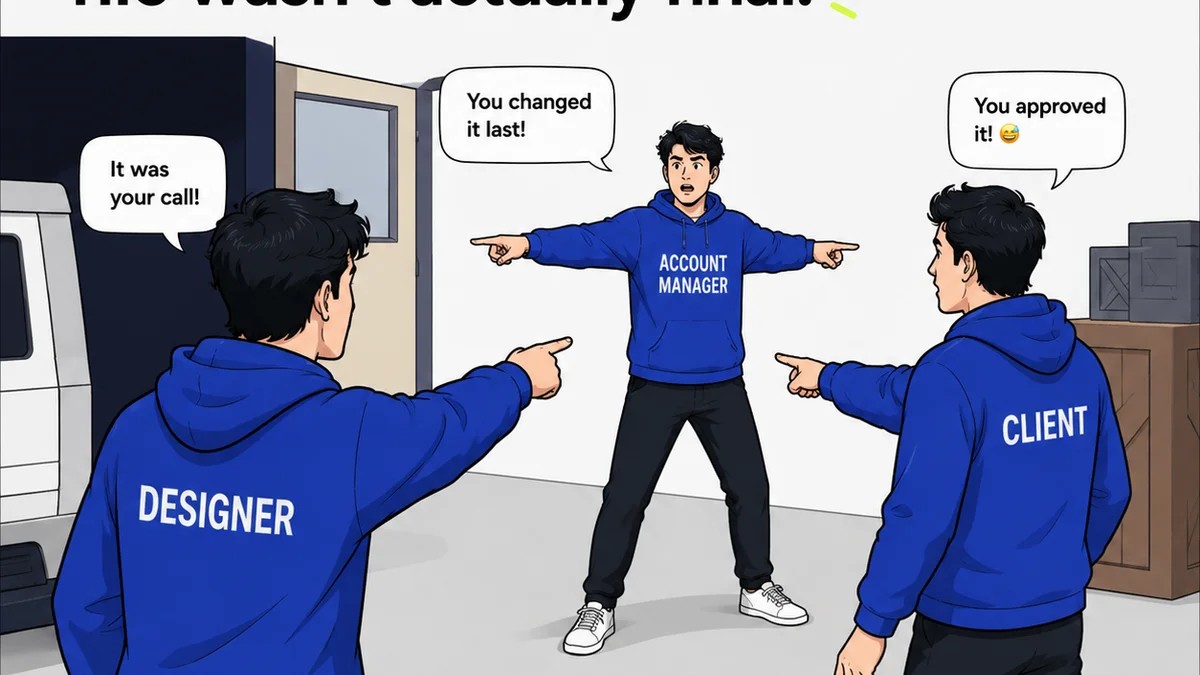
Everyone’s talking about AI, remote-first, and the metaverse shaping creative teams by 2030. It sounds exciting, maybe even a little scary. But if you’re focused solely on the futuristic tools, you’re missing the point.
None of that is wrong. But it’s incomplete.
The real shift for managing creative teams in 2030 isn't about the *what* – the flashy new tech or the latest work model. It’s about the *how*. It’s about the deeply unsexy operational fundamentals that enable any team, in any environment, to do their best work, consistently.
1. The Illusion of 'Always On' Productivity
The assumption: With better tools and flexible schedules, creative teams will be hyper-productive, constantly churning out amazing work. The reality: Burnout is the silent killer of creativity. We’re not machines designed for endless output. We’re humans who need focus, rest, and clear boundaries to produce truly innovative ideas.
The future of managing creative teams requires actively designing *against* burnout, not just hoping better tech will solve it.
The Symptoms of the Burnout Epidemic
- Constant overtime, even when not explicitly required.
- Decreased quality of work despite increased effort.
- Higher rates of errors and missed details.
- Increased cynicism and disengagement among team members.
- Frequent employee turnover, especially among top performers.
- Difficulty in collaborating effectively due to exhaustion.
These aren't signs of a lazy team. They're signals of an unsustainable system.
Reclaiming Focus in a World of Distraction
True productivity isn't about filling every minute. It's about deep, uninterrupted work. This means:
- Time Blocking: Dedicate specific blocks for focused creative work, free from meetings and notifications.
- Asynchronous Communication: Not everything needs an immediate response or a live meeting. Embrace tools that allow people to contribute on their own schedule.
- Clear Project Scopes: Ambiguity breeds inefficiency and stress. Define deliverables, deadlines, and expectations upfront.
- Mandatory Downtime: Encourage and enforce genuine breaks and time off. A rested mind is a creative mind.
This isn't about slacking off. It's about smart work design.
2. The Myth of Centralized Control in Distributed Teams
The assumption: As teams become more distributed (remote, hybrid, global), management needs to exert *more* control to maintain standards and visibility. The reality: Over-control kills autonomy, breeds resentment, and stifles the very creativity you hired for. Distributed teams thrive on trust and clear, shared objectives, not micromanagement.
Effective management in 2030 means empowering your team, not policing them.
Why Command-and-Control Fails Remotely
Trying to replicate an office environment digitally is a losing game. Constant check-ins, excessive status reports, and rigid oversight create friction and distrust.
- It signals a lack of faith in your team’s ability to manage themselves.
- It adds administrative overhead that detracts from actual creative work.
- It fosters a culture of fear rather than collaboration.
- It ignores the core benefits of distributed work: flexibility and autonomy.
Your job isn't to watch over their shoulders. It's to set them up for success.
Building Trust Through Transparency and Autonomy
The antidote to over-control is radical transparency and genuine autonomy.
- Outcome-Oriented Goals: Define what success looks like (the outcome), not how every step must be taken.
- Shared Information Hubs: Ensure everyone has access to project briefs, assets, feedback, and decisions in one place.
- Clear Decision-Making Frameworks: Who decides what? When? How? Documenting this reduces confusion.
- Empowered Ownership: Give individuals and small teams ownership over their pieces of the project.
Trust is built, not demanded.
3. The Overlooked Power of Process Discipline
The assumption: Creative work is inherently chaotic, so rigid processes are counterproductive. The reality: Great creative work *relies* on disciplined processes. Chaos is often a symptom of poorly defined or inconsistently applied workflows, not an inherent trait of creativity.
The future belongs to teams that master their operational craft.
The
Frequently asked questions
How will AI impact creative team management by 2030?
AI will likely automate repetitive tasks and provide data insights, freeing up managers to focus on strategic direction, team well-being, and fostering human creativity. However, the core principles of trust, clear communication, and disciplined processes will remain paramount, regardless of AI integration.
What's the biggest mistake agencies make when managing remote creative teams?
The biggest mistake is trying to replicate office-based micromanagement digitally. This erodes trust and autonomy. Effective remote management focuses on clear outcomes, transparent communication channels, and empowering team members, rather than constant oversight.
How can creative teams avoid burnout in the future?
Avoiding burnout requires a proactive approach: implementing strict time-blocking for focused work, encouraging asynchronous communication, setting clear project scopes to reduce ambiguity, and mandating genuine downtime. It's about designing work to be sustainable, not just productive.
Is process discipline really compatible with creative work?
Absolutely. Disciplined processes provide the structure and clarity needed for creativity to flourish. They streamline workflows, reduce errors, and ensure consistency, allowing creative energy to be directed towards innovation rather than logistical hurdles. Think of it as a framework that enables freedom.