The conventional wisdom for managing multiple clients, especially at the enterprise level, is all about delegation. Spread the workload. Assign dedicated teams. Use project management software. None of that is wrong. But it’s incomplete.
The hard truth is that enterprise client management isn’t just about *dividing* work. It’s about *unifying* the entire process across disparate teams and demanding clients, ensuring consistency, and maintaining quality at scale. It’s about building a robust system, not just assigning tasks.
1. The Illusion of Dedicated Teams
Most enterprise organizations believe that assigning a dedicated team to each client is the silver bullet. It sounds logical: deep client understanding, streamlined communication. But this model often creates silos.
Each team develops its own workflows, its own communication quirks, its own way of handling feedback. This leads to:
- Inconsistent experiences for the client across different projects or departments.
- Difficulty in sharing best practices or resources between client teams.
- A bottleneck when a specialist is needed across multiple clients.
- Internal politics and turf wars over resources and client access.
The real challenge isn't just having dedicated teams; it's ensuring those teams operate within a cohesive, overarching framework that guarantees a unified client experience and efficient resource utilization.
1.1 Breaking Down Silos
To combat this, foster cross-team collaboration. Implement regular inter-team syncs, not just for knowledge sharing but for identifying common pain points. Create shared resource libraries and best practice documents that are actively maintained and promoted.
1.2 Centralized Oversight
Even with dedicated teams, a centralized function or leadership role is crucial. This oversight body ensures adherence to company-wide standards, manages shared resources, and acts as a tie-breaker when client-specific needs conflict with broader strategic goals.
2. The Feedback Labyrinth
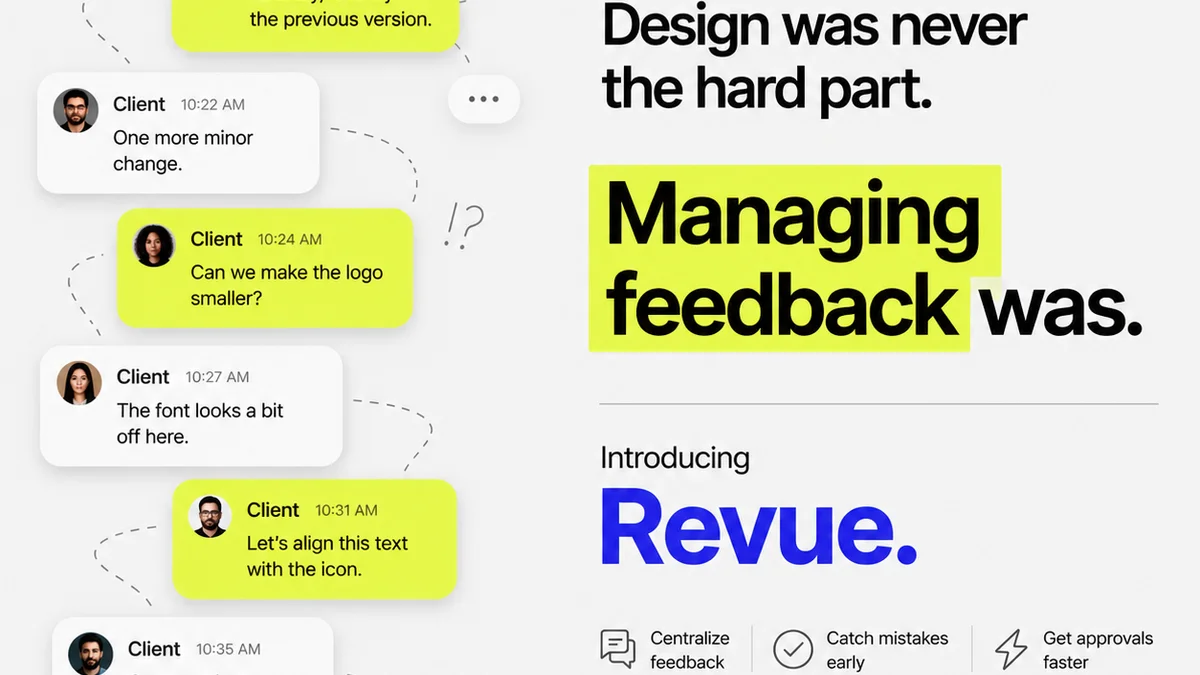
Client feedback is the lifeblood of any creative project. But for enterprise teams juggling multiple large clients, it often becomes a labyrinth. Emails get lost. Stakeholders miss deadlines. Versions get confused. Sound familiar?
The problem isn't the volume of feedback; it's the lack of a structured, transparent, and accountable system for capturing, distributing, and acting on it.
This leads to:
- Endless revision cycles that drain time and budget.
- Misunderstandings about what feedback was given and by whom.
- Key stakeholders being left out of crucial feedback loops.
Frequently asked questions
What are the biggest challenges enterprise teams face when managing multiple clients?
Enterprise teams often grapple with inconsistent client experiences, communication silos between internal teams, managing vast amounts of feedback, ensuring brand consistency across projects, and maintaining quality at scale. The sheer volume and complexity of demands from multiple large clients create unique operational hurdles.
How can dedicated client teams still lead to problems?
While dedicated teams offer client intimacy, they can create silos. This leads to inconsistent workflows, difficulty sharing best practices, bottlenecks for shared resources, and internal competition. The lack of a unified framework can mean varied client experiences and operational inefficiencies.
What is the most effective way to handle client feedback across multiple projects?
The most effective approach involves a centralized system for capturing, organizing, and tracking feedback. This ensures transparency, accountability, and reduces the risk of lost or misinterpreted comments. Tools that provide a single source of truth for all feedback are essential.
How does Revues help enterprise teams manage multiple clients?
Revue centralizes client feedback, revision tracking, and approval workflows. This provides a single source of truth, enhances transparency, reduces miscommunication, and ensures all stakeholders are aligned. It helps standardize the process across multiple clients, improving efficiency and quality.