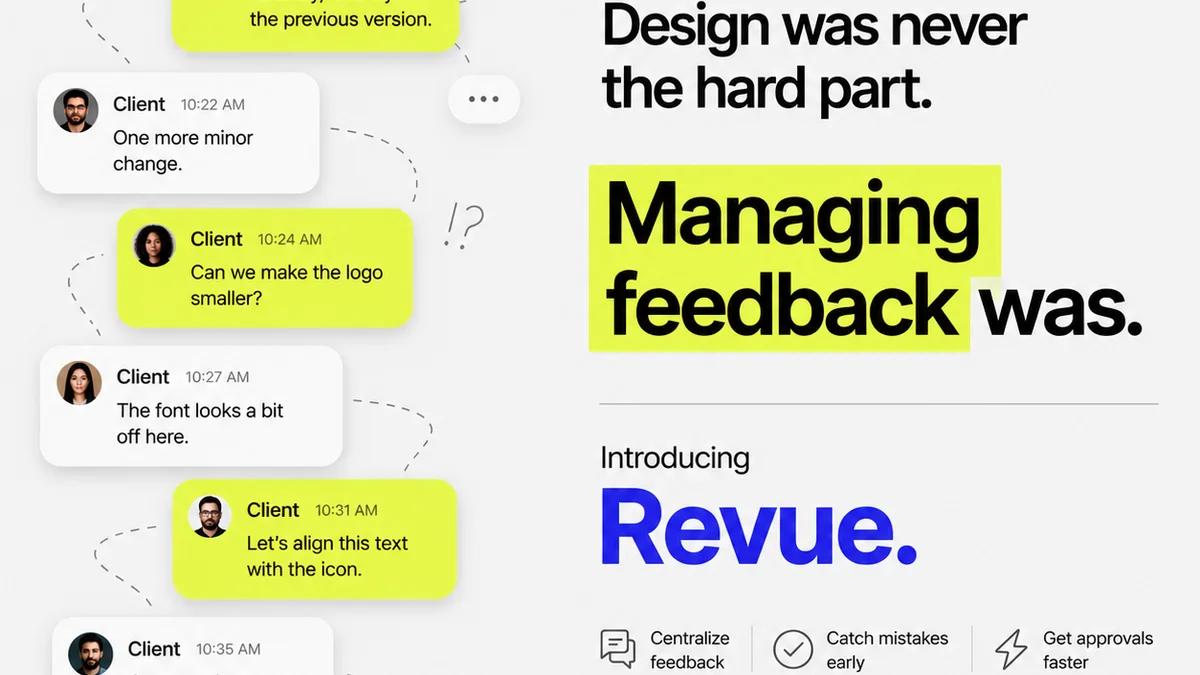
Everyone says managing multiple clients is tough. That you need to be organized, communicate clearly, and set boundaries. None of that is wrong. But it’s incomplete.
The deeper truth? Managing multiple clients isn’t just about juggling tasks. It’s about orchestrating a symphony of expectations, feedback, and deliverables across diverse personalities and projects, all while maintaining your agency’s profitability and creative integrity.
1. The Illusion of 'One Size Fits All' Client Management
You’ve probably heard advice like, “Treat every client like your only client.” It sounds good. It’s terrible advice for managing multiple clients.
Each client has unique needs, communication styles, and approval processes. Applying a single, rigid system to all of them leads to friction, missed details, and unhappy clients. Your system needs to be flexible.
Understanding Client Archetypes
Start by categorizing your clients. Not in a pejorative way, but to understand their operational tendencies:
- The Micromanager: Needs constant updates, wants to be involved in every decision.
- The Ghost: Disappears for days, then expects instant turnarounds.
- The Detail-Oriented: Focuses on minutiae, can get bogged down in small points.
- The Big-Picture Thinker: Trusts your expertise but needs to see strategic alignment.
- The Stakeholder Carousel: Feedback comes from multiple, often conflicting, sources.
Recognizing these patterns allows you to tailor your approach. For the micromanager, schedule more frequent check-ins. For the ghost, set clear deadlines for feedback and follow up assertively.
Tailoring Communication Cadence
Don’t default to daily emails for everyone. Some clients need weekly summaries; others thrive on quick Slack updates. Some require formal, documented reports.
The key is to establish this cadence early. In your kickoff meetings, ask clients about their preferred communication channels and frequency. Document this. Then, stick to it.
2. The Feedback Loop: Your Agency's Lifeline (and Potential Death Knell)
Client feedback is essential. It’s also the most common bottleneck and source of conflict when managing multiple clients. Unstructured, vague, or conflicting feedback can derail projects and destroy team morale.
The hard truth is that most feedback processes are broken. They’re informal, undocumented, and lead to endless revision cycles.
Establishing Clear Feedback Channels
Email chains get lost. Slack messages are ephemeral. You need a dedicated system. This means:
- Centralized Platform: Use a tool designed for creative feedback.
- Defined Process: Outline *how* feedback should be given (e.g., specific comments on the asset, not general opinions).
- Designated Point Person: Ensure feedback comes from one primary contact to avoid conflicting instructions.
This isn't about being difficult. It's about efficiency and clarity for everyone involved. It’s about ensuring the feedback you receive is actionable.
Managing Revision Cycles
Every project has an expected number of revision rounds. Make this explicit in your scope of work and contracts. Anything beyond that is scope creep.
When feedback comes in:
- Consolidate all feedback before responding.
- Identify conflicting comments and seek clarification.
- Estimate the time needed for revisions and communicate this timeline.
- Track each revision round meticulously.
This structured approach prevents the dreaded “just one more thing” requests that plague agency workflows.
3. Scope Creep: The Silent Profit Killer
This is where managing multiple clients truly tests your business acumen. A client asking for “a small tweak” that balloons into a significant extra task is the norm if you’re not vigilant.
The hard truth is that scope creep isn’t accidental; it’s often a result of unclear initial agreements and a reluctance to push back politely but firmly.
Defining Scope Upfront
Your Statement of Work (SOW) is your bible. It must be detailed:
- Specific deliverables.
- Number of concepts/options.
- Number of revision rounds per deliverable.
- Out-of-scope activities (e.g., stock photo licensing, copywriting beyond a certain word count).
- Timeline and key milestones.
Review this document with the client, ensuring they understand and agree. Get a signed approval.
Implementing Change Order Procedures
When a client requests something outside the agreed scope, don’t just do it. Issue a Change Order.
A Change Order should include:
- Description of the new request.
- Impact on timeline.
- Additional cost.
- Client signature/approval.
This formal step makes the cost and time implications of scope creep transparent. It protects your profitability and your team’s time.
4. Resource Allocation: The Balancing Act
With multiple clients, your team’s time is your most precious, and finite, resource. Spreading your best people too thin across too many projects leads to burnout and subpar work.
The hard truth is that inefficient resource allocation is a direct path to missed deadlines and client dissatisfaction, regardless of how good your talent is.
Project Prioritization
Not all projects are created equal. You need a system for prioritizing based on:
- Client Importance: Strategic value, long-term potential, revenue.
- Project Urgency: Hard deadlines, critical launch dates.
- Team Capacity: Availability of specific skill sets.
- Profitability: Projects with healthier margins should often take precedence.
Regularly review your project pipeline and resource allocation. A simple project management board can visualize workloads.
Capacity Planning
Understand your team’s capacity realistically. Factor in:
- Billable hours vs. non-billable tasks (meetings, admin).
- Buffer time for unexpected issues.
- Vacation and sick days.
Overcommitting is a recipe for disaster. It’s better to under-promise and over-deliver than the reverse.
5. The Profitability Puzzle: Tracking Time and Margins
Many agencies struggle with profitability when juggling multiple clients. They focus on delivering great work but lose sight of the financial health of each project.
The hard truth is that without meticulous time tracking and margin analysis, you’re essentially flying blind, potentially losing money on projects you thought were successful.
Accurate Time Tracking
This isn't optional. Every team member needs to track their time accurately against specific projects and tasks.
- Use simple, integrated tools.
- Make it a non-negotiable part of the workflow.
- Review time reports regularly.
Accurate time data is crucial for accurate quoting on future projects and understanding where your resources are truly going.
Margin Analysis
Compare the time tracked against the project budget. Are you hitting your target profit margins?
- Identify projects that are consistently going over budget.
- Analyze the reasons: scope creep, inefficient processes, underestimation?
- Use this data to adjust your pricing and scoping for future work.
Profitability isn't a dirty word; it's what allows you to invest in your team, your tools, and your agency's future.
Where Revue Fits In
Managing multiple clients effectively requires robust systems. Scattered feedback, unclear revision histories, and opaque approval processes are major friction points. This is precisely where a tool like Revue can significantly streamline your workflow.
Revue centralizes client feedback directly on the creative assets. Instead of wading through endless email threads or Slack channels, all comments, annotations, and discussions are in one place, tied to specific versions. This visual context dramatically reduces misinterpretations.
Revision tracking becomes crystal clear. You can see exactly what changed between versions, who approved what, and when. This transparency is invaluable for managing expectations and preventing disputes over past decisions. When clients can easily see the history of revisions and approvals, it builds trust and accountability.
Furthermore, Revue’s structured approach to approvals helps ensure quality checks aren’t missed. By making the review and sign-off process a distinct step, you create a natural gate before final delivery, reducing the likelihood of errors slipping through the cracks across your diverse client roster.
Final Thought
Managing multiple clients is less about heroic multitasking and more about building intelligent systems that allow for flexibility, clarity, and control. It’s about recognizing that each client relationship is a unique ecosystem that requires a tailored yet structured approach.
Are your systems designed to scale with your client base, or are they actively hindering your growth and profitability?
Frequently asked questions
How can I prevent scope creep when managing multiple clients?
Clearly define project scope in your SOW, including deliverables, revision rounds, and out-of-scope items. Implement a formal change order process for any requests outside the original agreement, detailing additional costs and timeline impacts.
What's the best way to handle conflicting client feedback?
Designate a single point person for feedback from each client to avoid conflicting instructions. If conflicting feedback arises from different stakeholders within the same client, consolidate it, identify the conflicts, and seek clarification from the primary contact before proceeding.
How important is time tracking for agencies with multiple clients?
Extremely important. Accurate time tracking is essential for understanding project profitability, identifying inefficiencies, accurately quoting future work, and managing resource allocation across your client portfolio. It's the foundation for financial health.
Should I use the same communication method for all clients?
No. Tailor your communication cadence and channels to each client's preferences and project needs. Establish this during onboarding and document it. Some clients prefer daily updates, others weekly summaries, and some may require formal reports.