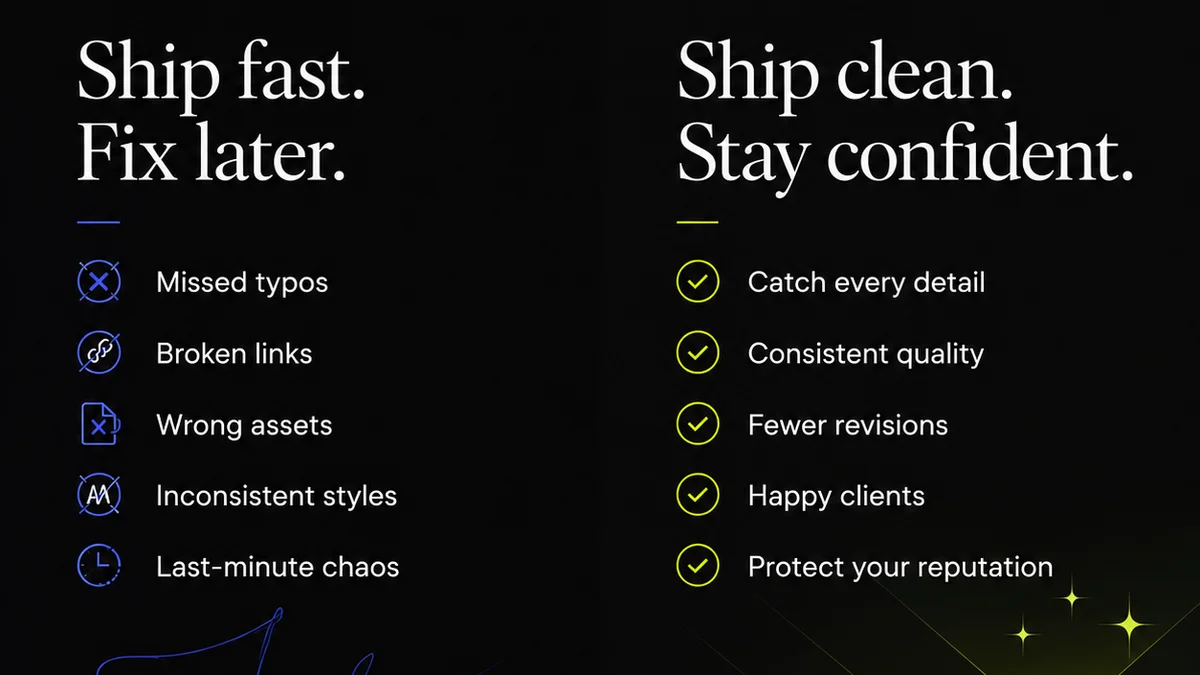
Everyone talks about speeding up marketing approvals. The assumption is that faster means better. That if you just implement a new tool or enforce a tighter deadline, you’ll magically unlock creative velocity.
None of that is wrong. But it’s incomplete.
The real problem with marketing approval workflows isn’t just speed; it’s the chaos that breeds delays. It’s the lack of clarity, the missed feedback, and the endless back-and-forth that kills momentum. In 2026, we need to move past simply *chasing* approvals and start building systems that *prevent* the mess.
1. The Illusion of Control: Why Status Quo Fails
Many teams think they have a handle on approvals. They use email chains, shared drives, or even basic project management tools. They might have a sign-off sheet or a designated approver.
This feels organized. It feels controlled.
But dig a little deeper, and you’ll find the cracks:
- Feedback gets buried in long email threads.
- Different versions of the creative asset circulate, leading to confusion.
- Approvers aren’t clear on what they’re approving or the deadline.
- Revisions don’t track who asked for what and why.
- The final sign-off is often a hurried click, not a thoughtful review.
This isn't control; it's the illusion of it. It’s a reactive system, constantly putting out fires instead of preventing them. By 2026, this will be a non-starter for any serious agency or in-house team.
2. Defining the
Frequently asked questions
What are the biggest mistakes teams make in their marketing approval workflow?
Teams often focus solely on speed, neglecting clarity and process. They rely on fragmented communication channels like email, leading to lost feedback and version control issues. They also fail to clearly define roles and responsibilities for approvers, or establish clear criteria for what constitutes a 'final' approval.
How can I improve clarity in my marketing approval process?
Centralize all feedback and communication in one platform. Use clear briefs that define project scope, objectives, and target audience. Ensure all stakeholders understand their role in the approval process and the specific criteria they should be evaluating. Document all decisions and feedback clearly.
What role does technology play in a modern marketing approval workflow?
Technology is crucial for streamlining and centralizing the process. Tools that offer version control, annotation, clear feedback trails, and automated notifications can significantly reduce errors and delays. They provide a single source of truth for all project communications and approvals.
How do I ensure timely feedback from stakeholders?
Set clear deadlines for each stage of the approval process and communicate them upfront. Automate reminders for pending approvals. Make it easy for stakeholders to provide feedback by using intuitive tools. If necessary, establish escalation paths for overdue feedback, but always start with clear communication and easy access.