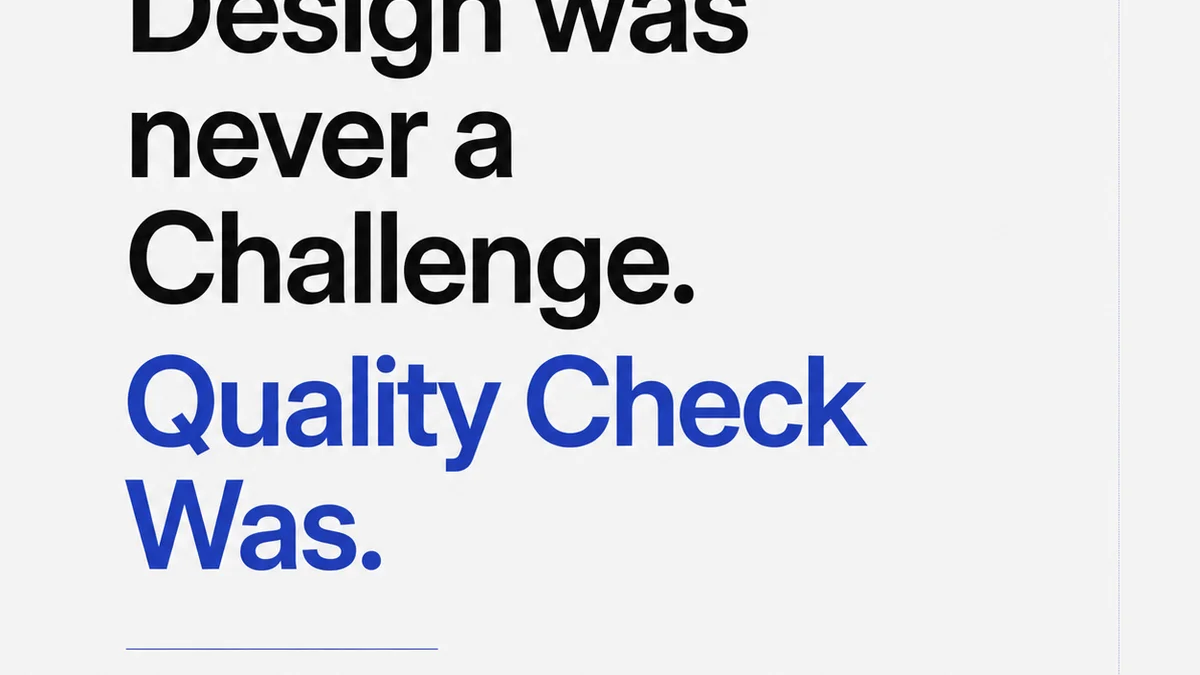
Everyone talks about marketing approval workflows. They say it's about speed. It's about getting clients to sign off faster so projects can move. That's not wrong. But it's incomplete.
The real power of a solid marketing approval workflow isn't just velocity. It's about maintaining creative integrity, reducing costly rework, and ensuring the final output actually meets strategic goals. For a Creative Director, it’s your first line of defense against scope creep and diluted vision. It’s the operational backbone that protects the creative soul of the work.
1. The Illusion of 'Final' Feedback
You've seen it. The email chain with 50 replies. The client who says, "Just one more tiny change." Or worse, the stakeholder who missed the entire review cycle and now wants a complete overhaul.
This chaos stems from a fundamental misunderstanding of how feedback should be collected and processed. It's not a free-for-all. It's a structured process designed to elicit actionable, consolidated input.
Symptoms of a Broken Feedback Loop
- Endless revision cycles that drain resources.
- Misinterpreted feedback leading to wasted effort.
- Key stakeholders left out of crucial review stages.
- The dreaded
Frequently asked questions
What's the biggest mistake agencies make with approval workflows?
Not defining clear roles and responsibilities for feedback, and not having a centralized system for collecting it. This leads to scattered, conflicting, and often missed feedback, causing delays and rework.
How can a Creative Director ensure feedback stays on track?
By establishing clear review stages, setting deadlines for feedback, and using a tool that consolidates all comments in one place. This prevents endless back-and-forth and keeps the focus on strategic objectives.
What are the key elements of an effective marketing approval process?
Clear project scope, defined review stages, designated reviewers, consolidated feedback, version control, and a final sign-off mechanism. It needs to be structured, transparent, and efficient.
Can a marketing approval workflow actually improve creativity?
Yes. By reducing the time spent on managing feedback and rework, Creative Directors have more bandwidth to focus on strategic creative problem-solving and refining the core concept. It protects the creative vision.