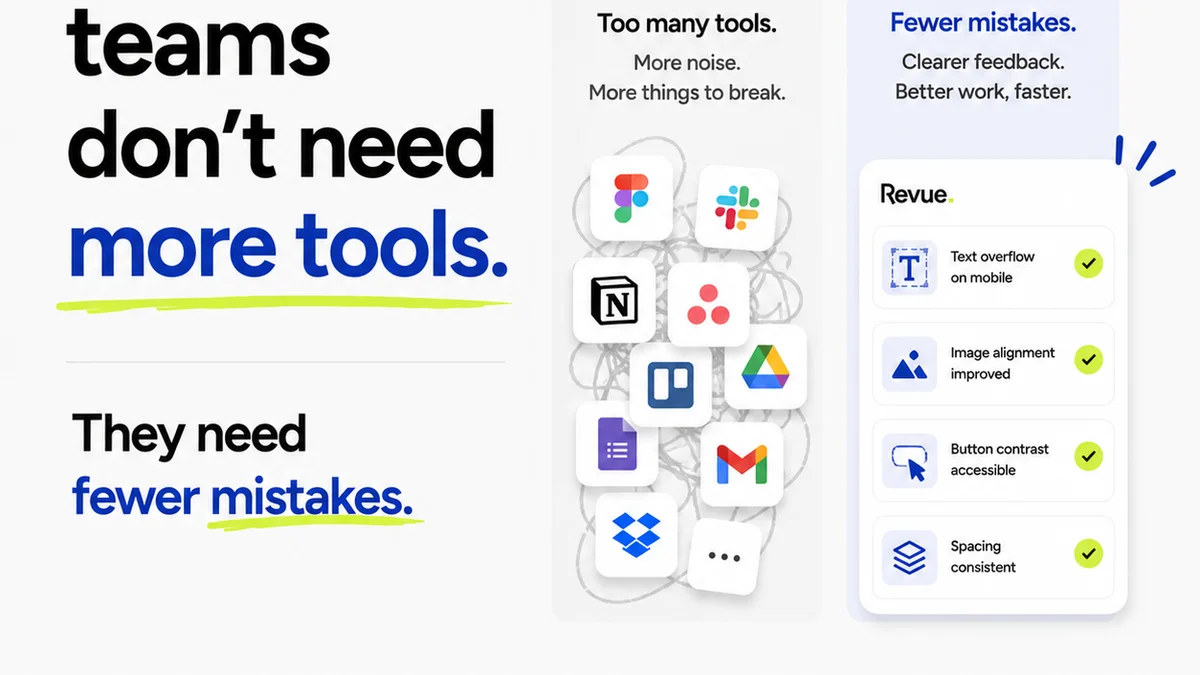
Everyone agrees a smooth marketing approval workflow is crucial. Clients sign off faster, projects move forward, and your team stays sane. That’s the theory, anyway.
But the reality? It’s often a chaotic mess of scattered emails, missed comments, and endless revision rounds. Sound familiar?
The hard truth is that most agencies treat approvals as a final step, not a strategic process. They lack a defined workflow, relying on ad-hoc communication that inevitably breaks down.
This isn’t just frustrating; it’s costing you time, money, and client trust. Let’s fix that. We’ll break down the essential components of a marketing approval workflow that actually works.
1. Define Your Stages: What Needs Approval, and When?
Before you can approve anything, you need to know what you’re approving and at what point in the project lifecycle. This isn’t just about the final design. It’s about every critical handover.
Think about the distinct phases of your projects:
- Concept development
- Drafting copy
- Wireframing/sitemaps
- Initial design mockups
- Prototyping
- Final design assets
- Development builds
- Launch-ready materials
Each of these requires a specific type of review. A client might approve a design direction early on, but that doesn’t mean they’ve approved the final pixel-perfect execution.
Your workflow must map these stages clearly. This sets expectations and ensures the right people are reviewing the right deliverables at the right time.
The Minimum Viable Approval
At a minimum, your workflow should define:
- What is being reviewed?
- Who is responsible for reviewing it?
- What is the reviewer looking for (e.g., brand consistency, technical feasibility, copy accuracy)?
- What is the deadline for feedback?
- What happens if feedback is late?
This clarity prevents scope creep and reduces ambiguity. It’s the bedrock of efficient project management.
2. Centralize Communication: Ditch the Email Chains
Email is the enemy of clear approvals. Threads get long, comments get buried, and attachments become outdated versions.
You need a single source of truth for all feedback and revisions.
This means moving away from scattered email chains and into a dedicated platform. Whether it’s a project management tool, a specialized review platform, or even a shared document with strict version control, the goal is the same: one place for everything.
Imagine a client’s feedback:
- “Love the new logo concept! Let’s go with option B.”
- “Please change the headline to something punchier.”
- “Can we explore a different color palette, maybe warmer tones?”
- “Wait, I thought we decided on blue for the call-to-action button?”
Without a centralized system, tracking which “blue” or which “headline” is being discussed becomes a nightmare. Was the button color decision made before or after the color palette discussion? Which version of the logo concept was approved?
A centralized system logs every comment, every change, and every approval in one easily accessible place. This audit trail is invaluable.
Document Everything
Every piece of feedback needs to be logged and attributed. This includes:
- Who provided the feedback?
- When was it provided?
- What was the feedback?
- What action was taken?
- Who implemented the change?
This level of detail is essential for accountability and for understanding the full history of a project.
3. Set Clear Deadlines and Response Times
Delays in feedback are project killers. If your client or internal stakeholders don’t respond by a certain time, the project grinds to a halt.
Your workflow needs to address this head-on. Define specific turnaround times for feedback at each stage.
For example:
- Initial design concepts: 48 hours for feedback.
- Copy edits: 24 hours.
- Final asset review: 24 hours.
Communicate these expectations clearly to clients from the outset. Include them in your contracts or project kickoff documents.
What happens if the deadline is missed?
- Automatic project pause notification.
- Scheduled follow-up call.
- Potential for project timeline extension and associated costs.
This isn’t about being punitive; it’s about protecting your team’s time and ensuring project momentum. When everyone knows the stakes, they’re more likely to prioritize their input.
Automate Reminders
Don’t rely on manual follow-ups. Use tools that can automatically send reminders for pending approvals or feedback deadlines. This takes the burden off your project managers and ensures nothing slips through the cracks.
4. Establish Roles and Responsibilities
Who is the ultimate decision-maker? Who provides input? Who is just keeping an eye on things?
Ambiguity here leads to conflicting feedback and confusion.
Clearly define:
- The Approver: The single person with the final sign-off authority. This is usually the client-side point person or a senior stakeholder.
- The Reviewer(s): Individuals who provide critical feedback and input. This might include marketing managers, legal teams, or subject matter experts.
- The Notified: Stakeholders who need to be kept informed but don’t provide direct feedback.
This structure prevents multiple people from giving contradictory feedback or making decisions outside their purview. It streamlines the feedback loop.
For internal reviews, ensure your creative directors or lead designers are the primary approvers or reviewers for creative quality and brand alignment.
The
Frequently asked questions
What are the key stages of a marketing approval workflow?
Key stages typically include concept approval, draft review, design mockups, final asset sign-off, and development/launch readiness checks. Each stage requires specific feedback and sign-off.
How can I prevent conflicting feedback from clients?
Clearly define roles and responsibilities, designating a single ultimate approver. Centralize all feedback in one platform to avoid confusion and ensure all comments are seen and addressed systematically.
What's the best way to handle missed feedback deadlines?
Communicate clear deadlines from the start. Implement automated reminders and establish consequences for missed deadlines, such as pausing the project or extending the timeline with potential cost implications.
Why is centralizing feedback so important?
Centralizing feedback eliminates scattered email threads, version control issues, and missed comments. It creates a single source of truth, providing a clear audit trail of all discussions, changes, and approvals, which is crucial for accountability and project clarity.