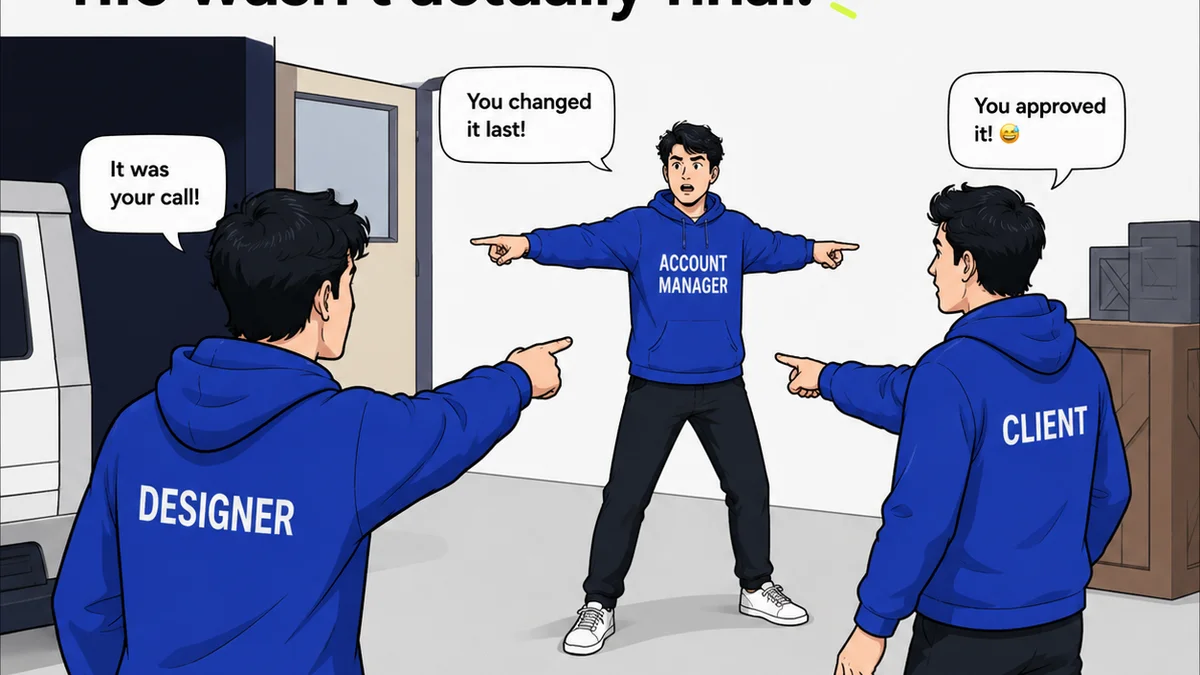
Everyone assumes a marketing campaign checklist is about making sure you didn't forget to book the talent or schedule the social posts. That you just need to follow a rigid list to get it done right. None of that is wrong. But it’s incomplete.
The hard truth? A truly effective marketing campaign checklist isn't just a to-do list. It's a diagnostic tool. It reveals the hidden friction points in your workflow, the gaps in your communication, and the opportunities for deeper strategic alignment. It’s less about completion and more about clarity.
1. Strategy Alignment: The Foundation You Can’t See
Before anyone even thinks about creative assets or media buys, the strategy needs to be locked. This isn't just about having a brief; it's about ensuring everyone involved *understands* the brief at a fundamental level.
Defining Success
What does success look like? Beyond vanity metrics, what are the KPIs that actually move the needle for the client? This needs to be crystal clear from day one.
- Are the client's business objectives clearly stated and understood?
- Are campaign objectives SMART (Specific, Measurable, Achievable, Relevant, Time-bound)?
- What is the definition of 'success' for this specific campaign?
- What are the key performance indicators (KPIs) that will measure success?
- How will we track and report on these KPIs?
Target Audience Deep Dive
Who are we *really* talking to? Generic personas won't cut it. You need to understand their pain points, motivations, and media consumption habits.
- What are the primary and secondary target audiences?
- What are their demographics, psychographics, and behaviors?
- What are their key needs and challenges that our product/service addresses?
- Where do they spend their time online and offline?
- What kind of messaging will resonate most effectively with them?
Unique Selling Proposition (USP) & Messaging Pillars
What makes this campaign stand out? What are the core messages that will be reinforced across all touchpoints?
- What is the core value proposition being communicated?
- What are the 3–5 key messaging pillars that will support the overall narrative?
- How does this campaign's message align with the overall brand positioning?
- What is the desired tone of voice for this campaign?
2. Creative Briefing: Beyond the Bullet Points
A great brief is the bedrock of great creative. But a brief that's just a list of requirements is a recipe for mediocrity. It needs to inspire, not just inform.
The 'Why' Behind the 'What'
Clients often focus on *what* they want. Your job is to understand *why* they want it. This context is crucial for the creative team to deliver effective solutions, not just pretty pictures.
- What problem is this campaign trying to solve for the client?
- What is the desired emotional response from the audience?
- Are there any mandatory elements that must be included (legal disclaimers, logos, etc.)?
- What are the absolute 'do nots' for this campaign?
Deliverables & Scope Clarity
Ambiguity here leads to scope creep and frustration. Be explicit about what's being produced, in what formats, and for which channels.
- List all specific deliverables (e.g., social media ads, email banners, landing page copy, video scripts).
- Specify formats, dimensions, and technical requirements for each deliverable.
- Define the number of revisions included for each asset.
- Outline the approval process and stakeholders for each stage.
3. Asset Creation Workflow: Managing the Chaos
This is where many campaigns falter. It's not just about generating assets; it's about ensuring they are on-brand, on-message, and on-time.
Visual Identity & Brand Consistency
Every asset must feel like it belongs. This requires clear guidelines and consistent application.
- Are brand guidelines readily available and understood?
- Is there a clear process for ensuring visual consistency across all assets?
- Are all required brand elements (logos, color palettes, typography) correctly implemented?
Content Accuracy & Legal Review
Mistakes here can be costly. A robust review process is non-negotiable.
- Is all copy factually accurate and free of errors?
- Have all legal and compliance requirements been met?
- Has the content been reviewed by relevant stakeholders (e.g., legal, product marketing)?
Cross-Channel Adaptation
What works on Instagram might not work on a billboard. Assets need to be thoughtfully adapted, not just resized.
- Are assets optimized for each specific channel's best practices?
- Is the core message maintained while adapting to the channel context?
- Have mobile and desktop experiences been considered for digital assets?
4. Media Planning & Distribution: Reaching the Right People
A brilliant campaign is useless if no one sees it. Media planning is about strategic placement, not just budget allocation.
Channel Selection & Rationale
Why these channels? The choice should be driven by audience insights and campaign objectives, not just habit.
- Are the chosen media channels aligned with the target audience's media consumption habits?
- Is there a clear rationale for the budget allocation across different channels?
- Have potential placement costs and expected reach/frequency been considered?
Ad Specifications & Technical Readiness
Missing a technical spec can mean a rejected ad or a broken experience. Double-checking is crucial.
- Are all ad units compliant with platform specifications (e.g., file size, format, dimensions)?
- Are tracking pixels and UTM parameters correctly implemented?
- Is there a plan for A/B testing creative and targeting within paid channels?
5. Performance Tracking & Optimization: The Feedback Loop
The campaign doesn't end at launch. Continuous monitoring and adjustment are key to maximizing impact.
Defining Key Metrics
Go beyond clicks. What metrics truly indicate progress towards campaign goals?
- Are we tracking metrics related to awareness, engagement, conversion, and retention?
- Are the tracking mechanisms in place and functioning correctly?
- Is there a clear understanding of how different metrics relate to the overall campaign objectives?
Reporting Cadence & Actionability
Reports are useless if they just sit on a shelf. They need to drive action.
- What is the agreed-upon reporting frequency (daily, weekly, monthly)?
- Who is responsible for analyzing the data and identifying optimization opportunities?
- How will insights from performance data be translated into actionable changes for the campaign?
Where Revue Fits In
Managing a complex campaign involves countless moving parts and stakeholders. Keeping everyone aligned, informed, and on the same page is a constant challenge. That's where a centralized platform like Revue becomes invaluable.
Instead of sifting through endless email threads or scattered cloud storage for feedback and approvals, Revue provides a single source of truth. You can manage all your creative assets, gather consolidated client feedback directly on the work, track revision history, and ensure all necessary approvals are obtained before launch.
This streamlined process reduces miscommunication, speeds up revision cycles, and provides clear visibility into the campaign's progress. It transforms the checklist from a passive document into an active, collaborative workflow, ensuring your marketing campaigns are not just executed, but executed with precision and strategic intent.
Final Thought
A marketing campaign checklist is more than a safety net. It's a roadmap that forces you to confront the complexities of modern marketing. Are you using yours to simply avoid mistakes, or to build something truly exceptional?
Frequently asked questions
What are the most common pitfalls in marketing campaign execution?
Common pitfalls include lack of clear strategy alignment, vague creative briefs, inconsistent brand application across assets, poor media channel selection, and insufficient performance tracking leading to missed optimization opportunities. Essentially, breakdowns in communication and process management.
How can a marketing campaign checklist improve client communication?
A well-structured checklist ensures all necessary information and approvals are gathered systematically. By defining clear steps, deliverables, and stakeholders, it reduces ambiguity, sets client expectations, and provides a transparent overview of the campaign's progress, minimizing misunderstandings.
What's the difference between a task list and a strategic campaign checklist?
A task list focuses on individual actions (e.g., 'design ad'). A strategic checklist, however, embeds those tasks within a larger context, ensuring alignment with objectives, audience understanding, and creative intent. It prompts 'why' questions before 'how' actions.
How often should a marketing campaign checklist be updated?
The core structure of a marketing campaign checklist should remain consistent, but it needs to be reviewed and updated regularly based on campaign performance, evolving market trends, new platform capabilities, and lessons learned from previous projects. It's a living document, not a static one.