Everyone talks about marketing collaboration. It’s a nice idea. A touchy-feely aspiration.
But let’s be honest: it’s often treated as a secondary concern. Something that happens *if* there’s time. Or if everyone just *gets along*.
None of that is wrong. But it’s incomplete.
The hard truth is that effective marketing collaboration isn’t a perk; it’s a prerequisite for survival and growth. Especially in today’s complex, fast-paced creative landscape. It’s not about harmony; it’s about operational efficiency and measurable results.
1. The Silo Effect Kills Creative Momentum
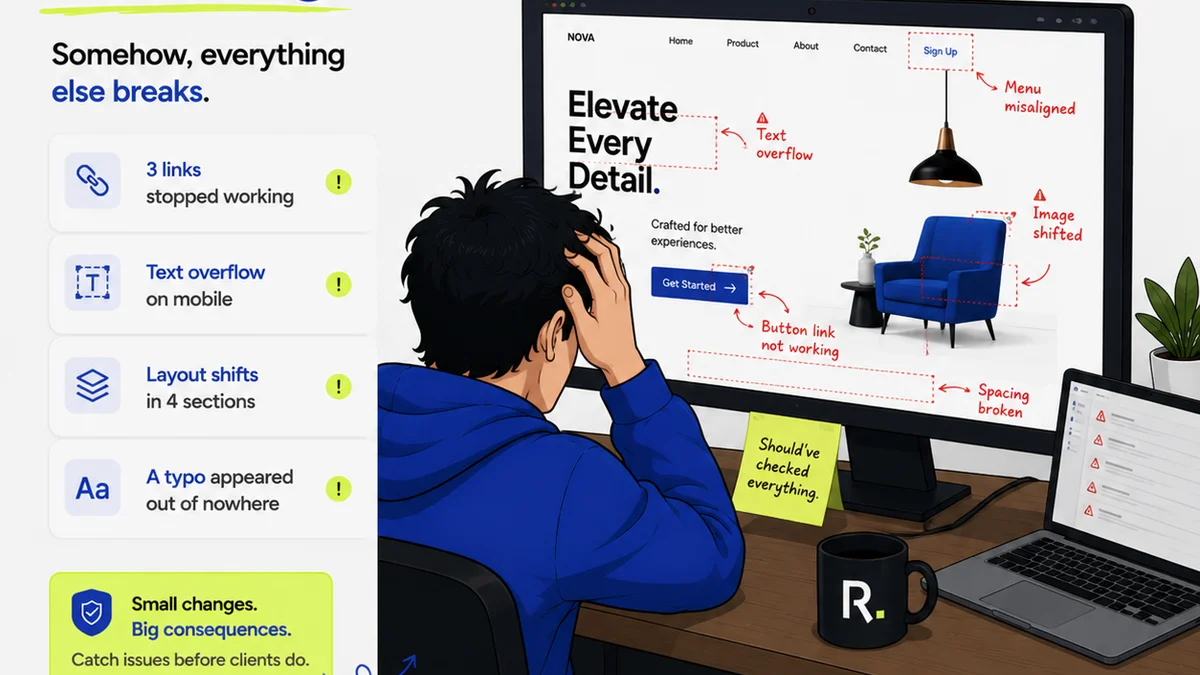
You’ve seen it. The designer hands off a final asset. The copywriter has no idea what the visual narrative is. The social media manager is left guessing the key message.
This disconnect isn't just awkward. It’s expensive.
It leads to:
- Misaligned messaging across channels.
- Redundant work and wasted hours.
- Missed opportunities for brilliant synergy.
- Frustrated team members who feel out of the loop.
- Clients who see disjointed campaigns.
When teams work in silos, creativity gets stifled. Ideas don’t cross-pollinate. The best concepts, the ones that could have been truly groundbreaking, get lost in the organizational shuffle.
This isn't just about communication; it's about the fundamental structure of how creative work flows.
The Illusion of
Frequently asked questions
What are the biggest challenges to effective marketing collaboration?
Common challenges include communication breakdowns, lack of clear processes, siloed teams, differing priorities, and the absence of a centralized platform for feedback and approvals. These issues can lead to misunderstandings, delays, and reduced quality.
How can agencies improve cross-functional marketing collaboration?
Agencies can improve collaboration by establishing clear communication channels, defining roles and responsibilities, implementing project management tools, fostering a culture of open feedback, and ensuring all stakeholders have visibility into project progress and client feedback.
What is the role of technology in marketing collaboration?
Technology, like centralized feedback platforms, plays a crucial role by providing a single source of truth for project assets and communication. It streamlines workflows, reduces miscommunication, and ensures everyone is working from the latest information, thereby enhancing efficiency and output quality.
How does poor collaboration impact client relationships?
Poor collaboration often results in inconsistent campaign execution, missed deadlines, and client confusion. This can damage trust, lead to dissatisfaction, and ultimately harm the agency-client relationship. Conversely, seamless collaboration demonstrates professionalism and competence.