Everyone talks about the latest design trends. The "in" fonts, the bleeding-edge color palettes, the viral social media formats. It’s easy to assume that if your designs look current, they’re automatically effective.
None of that is wrong. But it’s incomplete.
The hard truth? Great marketing design isn’t just about looking good. It’s about solving business problems and driving measurable results. Relying solely on aesthetics is a shortcut that leads straight to mediocre performance.
Real impact comes from a deeper understanding of strategy, audience, and execution. It’s about design that works, not just design that wows.
1. Strategy Over Style: Know Why You're Designing
Before a single pixel is placed, you need to understand the objective. What business problem does this design need to solve?
Is it driving traffic? Generating leads? Increasing brand awareness? Improving conversion rates? Educating customers?
Without a clear objective, your design is just pretty decoration. It lacks purpose.
Defining the Real Goal
This isn't about vague aspirations like "make it pop." It's about concrete, quantifiable goals.
- What specific action do you want the audience to take?
- What information must they absorb?
- What emotion should the design evoke to achieve the objective?
Every design decision should ladder up to these strategic questions. If a design element doesn't serve the objective, it's noise.
2. Audience First: Design for Them, Not For You
You might love a minimalist aesthetic or a bold, experimental layout. But does your target audience?
Your design needs to resonate with the people you're trying to reach. This requires empathy and research, not just personal taste.
Understanding Your Audience's World
Consider their:
- Demographics (age, location, income)
- Psychographics (values, interests, lifestyle)
- Media consumption habits
- Level of familiarity with your brand or product
- Pain points and motivations
A design that feels intuitive and relevant to your audience will perform infinitely better than one that's simply a reflection of your team's creative preferences.
The Danger of Internal Bias
Creative teams often fall into the trap of designing for other creatives or for internal stakeholders. This is a common mistake.
Your client might love a complex, artistic illustration, but if their customer base responds better to clear, direct imagery, the artistic choice is a disservice.
Always validate design choices against audience understanding.
3. Clarity is King: Make it Easy to Understand
In marketing, confusion is the enemy of conversion. Your design must communicate its message quickly and effectively.
This applies to everything: layout, typography, imagery, and calls to action.
The Power of Scannability
People rarely read marketing materials word-for-word. They scan.
Your design needs to guide the eye, highlight key information, and make the core message immediately obvious.
- Use clear, hierarchical headings.
- Employ white space strategically to reduce cognitive load.
- Ensure high contrast between text and background.
- Use compelling imagery that supports, rather than distracts from, the message.
The Call to Action (CTA) Imperative
What do you want people to do next? Make it crystal clear.
Your CTA should be:
- Prominent and easy to find.
- Action-oriented in its language.
- Visually distinct from other elements.
- Directly linked to the next logical step.
A muddled or hidden CTA is a lost opportunity. Period.
4. Consistency Builds Trust: Brand Integrity Matters
A fragmented brand identity erodes trust and recognition. Your marketing design needs to be a consistent expression of your brand.
This means adhering to brand guidelines, not just for logos and colors, but for tone, imagery, and overall aesthetic.
Beyond the Logo
Brand consistency involves:
- Consistent use of typography (fonts, weights, sizes).
- Consistent color palettes.
- Consistent photographic or illustrative style.
- Consistent tone of voice in any accompanying text.
- Consistent layout structures across different assets.
When a customer encounters your brand across multiple touchpoints—website, social media, email, ads—it should feel familiar and reliable. This builds confidence.
The Repercussions of Inconsistency
Randomly changing styles or abandoning guidelines for every new campaign sends a confusing message.
It suggests a lack of professionalism or a lack of a clear brand strategy.
Invest in maintaining brand integrity. It's a long-term asset.
5. Performance Over Perfection: Data Informs Design
The debate between "artistic perfection" and "data-driven design" is often framed as an either/or. It shouldn't be.
The most effective marketing design leverages performance data to refine and improve.
The Role of Testing
A/B testing is your best friend.
- Test different headlines.
- Test different CTAs.
- Test different imagery.
- Test different layouts.
- Test different color schemes.
Small, iterative changes based on real user behavior can lead to significant performance gains.
Learning from Analytics
Beyond A/B tests, analyze your website and campaign analytics.
Where are users dropping off? Which pages have high bounce rates? Which campaigns are driving the most engagement?
This data provides invaluable insights into what's working and what's not, allowing you to make informed design decisions rather than guessing.
6. Accessibility is Non-Negotiable: Design for Everyone
Too often, accessibility is an afterthought, tacked on at the end if at all. This is a critical failure.
Designing for accessibility means ensuring your marketing materials can be used and understood by people with disabilities.
Key Accessibility Considerations
Focus on:
- Color Contrast: Ensuring text is readable against its background for those with visual impairments.
- Typography: Using legible fonts and allowing users to adjust text size.
- Alt Text for Images: Providing descriptive text for screen readers.
- Keyboard Navigation: Making sure interactive elements can be accessed via keyboard.
- Clear Language and Structure: Avoiding jargon and using logical information hierarchy.
Not only is this the right thing to do ethically, but it also expands your audience and can improve SEO.
A truly effective design is inclusive.
7. Where Revue Fits In
Managing marketing design projects involves a constant stream of feedback, revisions, and approvals. Keeping this process efficient and transparent is crucial for delivering high-performing creative.
Revue acts as the central hub for this entire workflow.
Centralized Feedback and Communication
Instead of scattered email chains, feedback lives directly on the creative assets within Revue. Stakeholders can comment, annotate, and approve in one place.
This eliminates ambiguity and ensures everyone is working from the latest version.
Streamlined Revisions and Approvals
Track the entire revision history. See who approved what and when. This provides clear accountability and visibility, preventing bottlenecks and misunderstandings.
When designs are tied to clear objectives and audience needs, this structured approval process ensures those goals remain the focus.
Quality Assurance at Scale
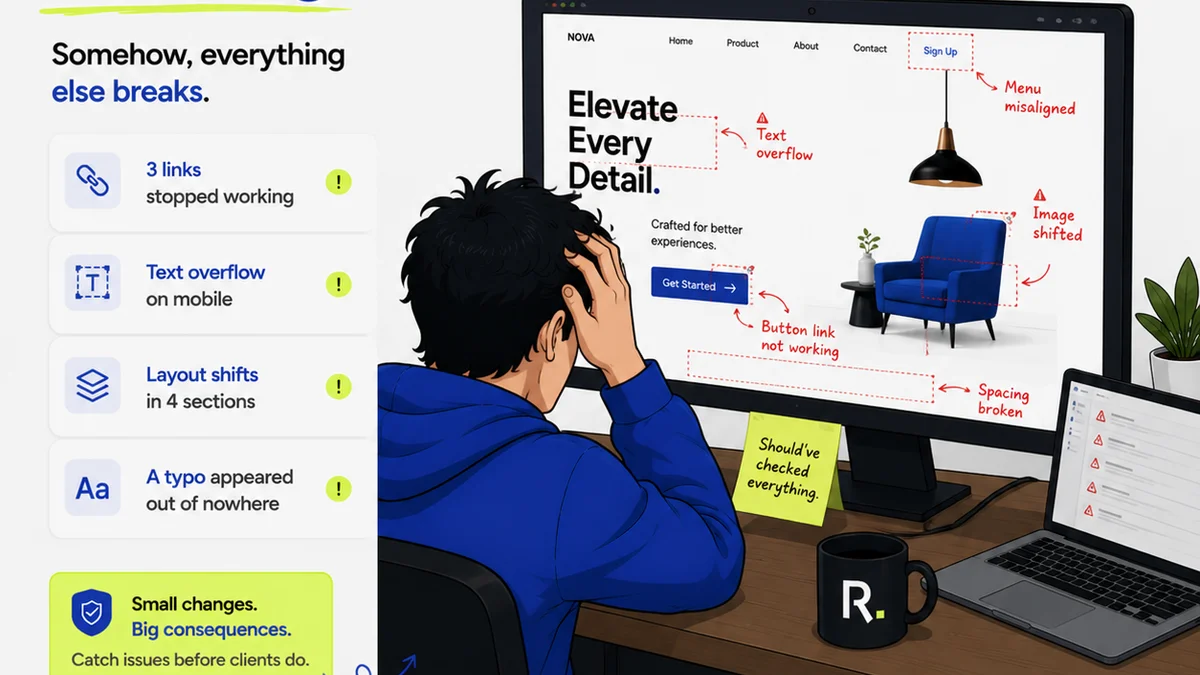
Revue helps ensure that final assets meet brand standards and are ready for deployment. By centralizing feedback and approvals, you reduce the likelihood of errors slipping through.
It’s about building a more robust, reliable creative process that supports the strategic goals of your marketing design.
Final Thought
Are your marketing designs truly working for your business, or are they just following the latest aesthetic trends? The difference lies in a disciplined approach that prioritizes strategy, audience, clarity, and performance over fleeting stylistic fads. It’s time to move beyond just looking good and start doing good work.
Frequently asked questions
What is the most important aspect of marketing design?
While aesthetics are important, the most critical aspect of marketing design is its ability to achieve a specific business objective. This means understanding the strategy, the target audience, and ensuring the design clearly communicates the intended message and drives desired actions.
How can I ensure my marketing designs are consistent with my brand?
Develop and adhere to comprehensive brand guidelines that cover not just logos and colors, but also typography, imagery style, tone of voice, and layout structures. Regularly audit your marketing assets to ensure they align with these guidelines.
What's the difference between designing for aesthetics and designing for performance?
Designing for aesthetics focuses on how a piece looks and adheres to current trends. Designing for performance focuses on how well the design achieves its business goals, such as driving conversions or engagement, often informed by data and testing.
Why is audience understanding crucial in marketing design?
Your design needs to resonate with and be understood by your target audience. Understanding their demographics, psychographics, and communication preferences ensures your message is received effectively, leading to better engagement and results, rather than just appealing to the creative team's personal taste.