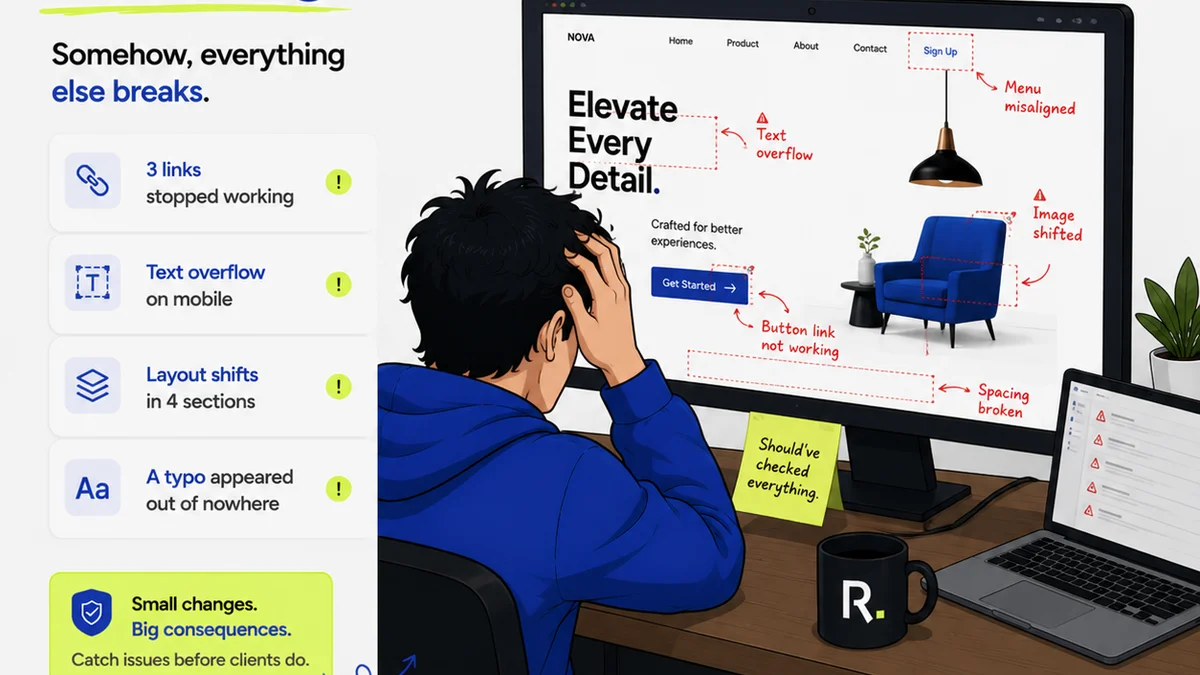
Everyone thinks great marketing design is about having a brilliant designer. A creative genius who conjures magic from thin air.
None of that is wrong. But it’s incomplete.
The hard truth? Most companies fail at marketing design because they’re not set up to manage it. The talent is there. The tools are there. But the workflow is broken.
1. The Myth of the Solo Genius
Agencies and in-house teams alike chase this idea of a singular visionary. One person to rule them all.
This creates bottlenecks. It limits perspective. And it sets up impossible expectations.
Design is collaborative. Even the most brilliant individual needs input, feedback, and iteration.
When feedback is scattered, delayed, or ignored, the design suffers. The whole team suffers.
The Symptoms:
- Endless rounds of revisions.
- Key stakeholders left out of the loop.
- Last-minute changes that derail the project.
- A final product that doesn’t quite hit the mark.
2. Feedback Chaos is the Enemy
This is where most marketing design efforts collapse. Feedback isn’t a single stream; it’s a tidal wave of conflicting opinions.
Emails, Slack messages, hallway conversations, scribbled notes on printouts. It’s a mess.
Which feedback is official? Who decided that? Why is this change being made *now*?
Without a centralized system, these questions haunt every project. They erode trust and waste time.
The Cost of Chaos:
- Misinterpretations lead to rework.
- Important feedback gets lost.
- Decision-making paralysis sets in.
- Projects spiral beyond their deadlines and budgets.
This isn’t just frustrating; it’s expensive. Every hour spent deciphering unclear feedback is an hour not spent creating great work.
3. Revision Cycles: The Endless Loop
Revisions are part of design. But they shouldn’t be a black hole.
When you can’t easily track what’s been changed, why it was changed, and who approved it, you’re doomed to repeat mistakes.
Every revision cycle should be a step forward. Not a sidestep into the past.
Visibility is key. Knowing the history of a design element prevents redundant conversations and ensures everyone is working from the same, most current version.
What Good Revision Management Looks Like:
- Clear version history.
- Defined approval stages.
- Contextual feedback attached to specific design elements.
- Automated notifications for status changes.
4. Quality Checks: The Last Line of Defense
Too often, quality checks are an afterthought. A quick scan before launch.
But by then, it’s too late. The damage is done.
Marketing design needs a robust quality assurance process baked in from the start.
This means checking for brand consistency, technical specifications, accessibility, and adherence to the brief. Not just typos.
Key Areas for Quality Checks:
- Brand guideline adherence.
- Technical requirements (file formats, dimensions, resolution).
- Accessibility standards (WCAG guidelines are a good baseline).
- Legal and compliance requirements.
- User experience consistency across touchpoints.
A thorough QA process catches errors before they reach the audience, protecting brand reputation and campaign effectiveness.
5. The Approval Bottleneck
Getting a final sign-off can be an ordeal.
Stakeholders are busy. They get pinged on multiple channels. They might not have the full context.
This leads to delays. Projects stall. Opportunities are missed.
Effective marketing design requires a clear, streamlined approval workflow. One that makes it easy for the right people to review and approve work efficiently.
Streamlining Approvals:
- Define clear approval paths.
- Set realistic review timelines.
- Provide all necessary context with the design.
- Use a system that flags pending approvals.
Where Revue Fits In
This is precisely why Revue was built. To solve the operational challenges that plague marketing design.
We centralize client feedback, making it impossible for comments to get lost in email threads or Slack channels. Every piece of feedback is attached to the specific design asset it refers to.
Revue provides clear visibility into the revision and approval process. You can track every change, see who approved what, and understand the history of the project at a glance.
This transforms design reviews from chaotic conversations into structured, efficient workflows. It ensures that the final marketing design is not just aesthetically pleasing, but operationally sound and strategically aligned.
Final Thought
Stop blaming your designers. Start fixing your process.
The difference between mediocre marketing design and exceptional marketing design often lies not in creative talent, but in operational discipline.
Are you managing your design workflow, or is it managing you?
Frequently asked questions
What's the biggest mistake companies make with marketing design?
The biggest mistake is assuming great design comes solely from individual talent. Most companies fail because they lack a structured process for managing feedback, revisions, and approvals, leading to chaos and subpar results.
How can I improve feedback on marketing design projects?
Centralize feedback. Instead of scattered emails and messages, use a dedicated platform where comments are linked directly to design assets. This prevents lost feedback and ensures clarity for everyone involved.
What makes a revision cycle effective?
Effective revision cycles have clear version history and defined approval stages. Knowing who changed what and why, and having all feedback contextualized, prevents endless loops and ensures forward progress.
How important are quality checks in marketing design?
Extremely important. Quality checks should be integrated throughout the process, not just at the end. They ensure brand consistency, technical accuracy, accessibility, and compliance, protecting your brand reputation.
How can I speed up the design approval process?
Streamline approvals by defining clear paths, setting realistic timelines, and providing all necessary context. Use a system that flags pending approvals and makes it easy for stakeholders to review and sign off efficiently.